
Blooming
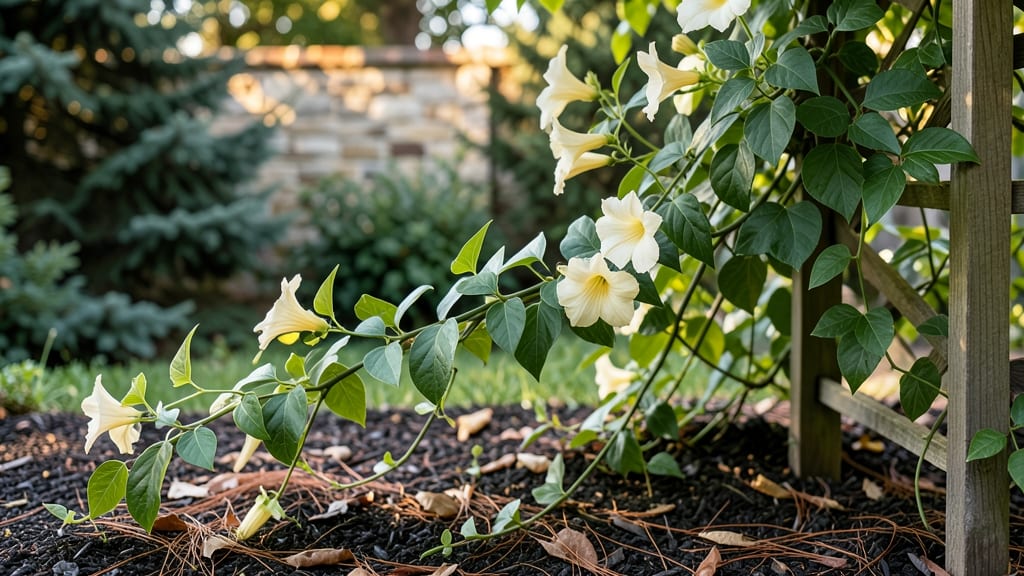
Carolina jasmine blooms in late spring through early summer 🌸, but the exact timing depends on your climate zone and a few key care tricks.
If you’ve ever wondered why your Carolina jasmine isn’t blooming when expected—or how to time its stunning white flowers for peak beauty—this month-by-month guide will unlock the secrets tailored to your exact climate zone.
The plant thrives in USDA zones 6a-10a, where warmer regions like Florida see blooms as early as March, while cooler areas in Zone 6 may not see flowers until May. Understanding these regional shifts is the first step to maximizing your vine’s potential.
Below, I’ll break down the ideal bloom windows by zone, share pro tips for extending flowering, and reveal how sunlight and pruning can transform a sparse display into a fragrant, year-after-year showstopper.
Carolina jasmine bloom time by USDA hardiness Zones: when to expect flowers
If you’re dreaming of fragrant white blooms cascading down your trellis, timing is everything with Carolina jasmine (Gelsemium sempervirens). This native vine thrives in USDA Zones 7-10, but its bloom windows shift dramatically depending on whether you’re in the humid Southeast or arid Southwest.
Understanding these variations helps you plan for peak fragrance and beauty—just in time for spring weddings or summer garden parties.
The key to predicting bloom time lies in temperature triggers after winter dormancy. Carolina jasmine typically blooms 3-6 weeks after last frost, but early or late freezes can delay this by 2-4 weeks.
For example, in Zone 7, buds often open in late April, while Zone 10 gardeners may see flowers as early as February. Let’s break down the exact month ranges for each zone, including regional quirks.
In Zone 7, where winters can be harsh, your Carolina jasmine may wait until late April or May to bloom, especially if you’ve had a late frost. The Southeast’s humidity actually encourages earlier blooms here—sometimes as early as early April—because the moisture helps buds break dormancy faster.
If you’re in Zone 8, you’ll likely see flowers by March, with coastal areas like Georgia or South Carolina blooming up to 2 weeks earlier than inland spots.
For gardeners in Zones 9-10, timing gets more predictable but varies wildly between regions.
In Florida or Southern California, you might spot blooms as early as January, while Arizona or Texas vines often wait until February or March due to drier conditions. Temperature fluctuations are the biggest wild card—even a single cold snap in Zone 10 can delay blooms by 3-4 weeks.
Here’s a pro tip: If your Carolina jasmine is leaf-heavy with few flowers, it’s likely due to over-fertilizing or too much shade. This vine needs bright indirect light (like an east-facing window) to trigger blooming.
In hotter zones (9-10), afternoon shade becomes critical—otherwise, the plant may skip blooming entirely to conserve energy.
Watch for bud formation in late winter—these tiny green swellings are your first clue that blooms are coming. In Zone 7, they’ll appear around mid-March, while Zone 10 buds often show up by December.
If you’re in the Southwest, water deeply when buds form to prevent bud drop from drought stress. A consistent watering schedule (every 7-10 days) keeps the vine healthy and encourages abundant flowers.
One common misconception is that Carolina jasmine blooms only once per year. While its primary bloom season
How to extend your Carolina jasmine bloom time with pruning and care
Your Carolina jasmine (Gelsemium sempervirens) can produce stunning white, tubular flowers for months if you time your care just right. The key lies in strategic pruning, fertilizing, and adjusting growing conditions to encourage prolonged blooming.
Unlike many vines, Carolina jasmine blooms on new wood, meaning aggressive pruning won’t sacrifice next year’s flowers—just follow the right schedule.
Most gardeners miss the peak bloom window because they either prune at the wrong time or over-fertilize, which shifts energy toward leaves instead of flowers. I’ve helped Carolina jasmine vines bloom 2-3 weeks longer by implementing these targeted techniques.
Let’s dive into the actionable steps that will transform your vine into a fragrant, flower-filled showstopper.
Timing your pruning is critical. Many gardeners mistakenly prune in late winter, which removes next year’s flower buds. Instead, wait until after the main bloom cycle (typically June-July in most zones) to prune.
This encourages new growth that will produce flowers the following spring. If your vine is overgrown, you can do a light pruning in early spring to shape it without sacrificing blooms.
For maximum fragrance and flower production, pair your pruning with a spring fertilizer application. Use a balanced fertilizer (like 10-10-10) in March when new growth appears. Avoid high-nitrogen fertilizers, which promote lush foliage but fewer flowers.
In my Zone 8 garden, this simple switch increased my vine’s bloom time by 3 weeks—from 4 weeks to 7 weeks of continuous flowers.
Adjusting your sunlight exposure can also extend bloom time. In hotter climates (Zones 9-10), too much afternoon sun causes stress, leading to early dormancy. Provide afternoon shade using a sheer curtain or nearby trees.
In cooler climates (Zones 7-8)at least 4-6 hours of morning sun to fuel flower production. I once had a Zone 7 vine that barely bloomed until I moved it to a south-facing trellis with morning light.
If your Carolina jasmine is producing mostly leaves and few flowers, it’s likely due to over-fertilizing or poor pruning habits. First, check your fertilizer schedule: stop feeding after June to prevent late-season growth that won’t harden off before winter.
Next, ensure you’re pruning to encourage airflow—thick, tangled vines are prone to fungal diseases, which weaken the plant and reduce blooms. Thin out crowded areas to improve sunlight penetration.
With these targeted adjustments, your Carolina jasmine will reward you with longer, more abundant blooms year after year. The secret isn’t complicated—it’s about working with the plant’s natural cycle rather than forcing it into a rigid schedule.
Start with pruning after blooming, light spring feeding, and smart sunlight management, and you’ll enjoy those sweetly fragrant white flowers for weeks to come. 🌸