
Blooming
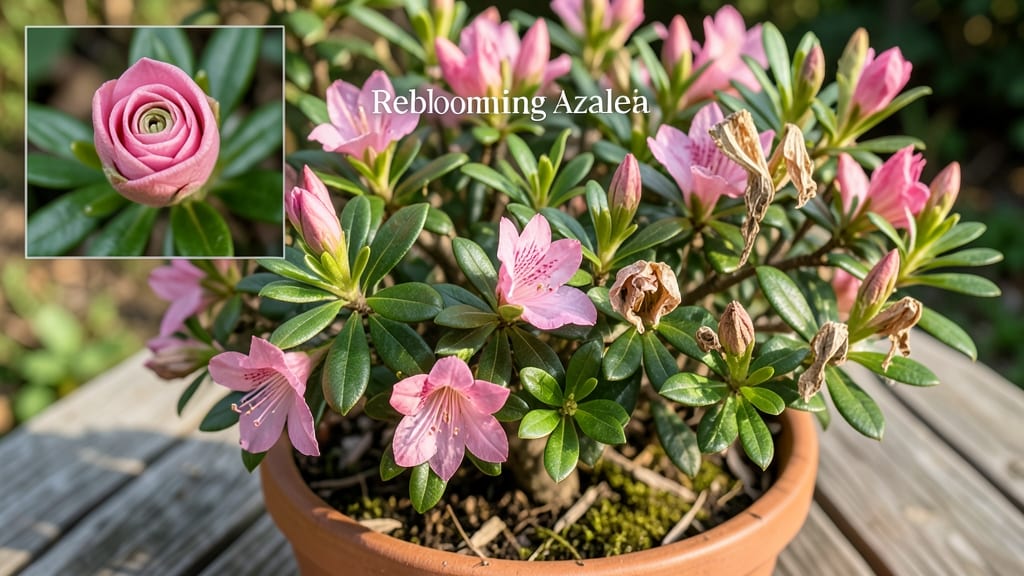
Some azaleas do bloom more than once a year, particularly certain evergreen varieties—such as Encore and Southern Indica—when given the right growing conditions and maintenance.
This reblooming capability isn't just luck—it's a genetic trait in specific evergreen azaleas that respond well to consistent care. 🌸 Unlike their deciduous cousins, which typically bloom just once in spring, these varieties can reward you with a second flush of flowers in late summer or early fall if you prune strategically and feed them properly.
The key lies in understanding their growth patterns and creating the ideal environment year-round.
For example, Encore azaleas are bred specifically for this trait, producing vibrant blooms in spring followed by another display in mid-summer. The secret? Their ability to form flower buds on both old and new wood, giving gardeners more opportunities to trigger blooming cycles.
This makes them particularly popular among landscape designers looking to extend seasonal color displays.
💡 In This Article
- Evergreen Azalea Varieties That Bloom Twice
- Pruning and Care Tips for Encouraging Repeat Azalea Blooms
Evergreen azalea varieties that bloom twice
The secret behind azaleas that bloom twice lies in their genetic makeup and growth habits. Evergreen varieties like Encore and Southern Indica have been selectively bred to produce flowers on both old and new wood, unlike deciduous azaleas that only bloom on previous year's growth.
This dual-flowering ability creates opportunities for two bloom cycles: the first in spring (typically April-May) and the second in late summer (August-September). 🌿
The key difference is in their flower bud formation. While most azaleas set buds only on last year's growth, these reblooming varieties develop buds on current season's growth too. For example, Encore azaleas can produce 12-18 inch flower spikes with 50-100 blooms per spike in each cycle.
The flowers themselves are slightly smaller (about 1-1.5 inches wide) than single-blooming varieties but appear in greater abundance, creating a continuous display when properly cared for.
What sets these evergreen varieties apart is their ability to tolerate warmer temperatures during bud formation. Most azaleas need cooler temperatures (40-50°F) to set buds, but reblooming types can form buds even when daytime temperatures reach 70-75°F.
This heat tolerance explains why they thrive in southern climates where single-blooming varieties often struggle to rebloom. The trade-off? They require more consistent care to maintain this performance.
Color variations also play a role in reblooming success. Darker flower colors like deep reds and purples tend to have slightly better reblooming potential because their pigments provide natural protection against summer heat stress. Lighter colors may fade more quickly between bloom cycles.
For instance, the Encore Pink Perfection variety maintains vibrant color through both bloom periods, while some white-flowered types may show more color loss in the second flush.
When comparing to deciduous azaleas, the evergreen types have one significant advantage: their foliage remains year-round, providing continuous visual interest even between bloom cycles. This makes them ideal for hedges or foundation plantings where seasonal color changes are desired.
The foliage itself contributes to the reblooming process by photosynthesizing throughout the year, providing energy for flower production.
One fascinating aspect is how these varieties respond to light exposure. They require at least 6 hours of sunlight daily but can tolerate partial shade better than full sun.
Too much direct sun can cause flower buds to abort, while too little shade reduces the plant's energy reserves needed for reblooming. 💫
For gardeners in cooler climates, choosing cold-hardy reblooming varieties like Southern Indica (zones 6-9) can extend the blooming window by 6-8 weeks compared to single-blooming types. The secret to their success lies in their ability to balance flower production with foliage maintenance, creating a plant that's both ornamental and resilient.