
Flowers
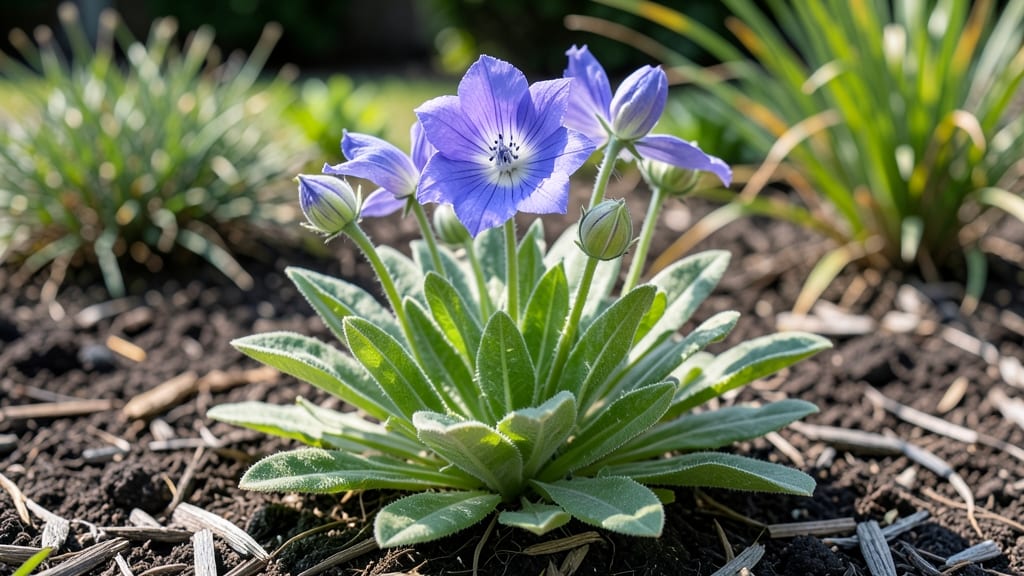
Balloon flowers bloom all summer only under ideal conditions: most varieties produce sporadic blooms from mid-summer to early fall, with peak flowering lasting 4-6 weeks in USDA Zones 5-9. Cooler climates or late planting may shorten the season significantly.
Balloon flowers (Platycodon grandiflorus) rarely deliver continuous summer blooms unless you're in their preferred growing zones and provide consistent care. 🌸 Most gardeners see their best displays between July and September, with some late-summer varieties stretching into October.
The key difference between varieties lies in their genetic triggers—some respond better to heat while others prefer cooler evenings, which explains why your neighbor's plants might look different from yours.
For example, the 'White Dawn' variety often blooms earlier in the season, while 'Astra Blue' tends to peak later. These differences mean that even with perfect conditions, you won't see nonstop color unless you're growing multiple varieties that stagger their blooming cycles naturally.
The good news? With the right pruning and soil adjustments, you can encourage a second wave of flowers later in the season.
💡 In This Article
- Balloon Flower Blooming Cycle by Variety
- Extending Balloon Flower Season: Proven Gardening Tips
Balloon flower blooming cycle by variety
Balloon flowers (Platycodon grandiflorus) exhibit distinct blooming patterns based on their genetic makeup and hybrid traits. The classic species typically produces its first flush of buds in late June to early July when daytime temperatures reach 70-75°F and nights cool to 55-60°F.
This timing aligns with their natural habitat in East Asia, where they experience warm summers with cooler evenings. Varieties like 'White Dawn' often bloom 2-3 weeks earlier than standard types because their genetics trigger bud formation at slightly lower temperatures.
The 'Astra Blue' variety demonstrates a different strategy—its blooming peak occurs 4-6 weeks later than the species type, typically in mid-to-late August. This delayed flowering results from hybrid vigor that extends the plant's active growth period.
What's fascinating is how these varieties respond to daylight: balloon flowers are day-neutral but require 14-16 hours of daylight for optimal bud formation.
When summer days shorten after the solstice, many varieties shift from vegetative growth to flowering, which explains why you often see a second, smaller bloom cycle in September.
The key to understanding these patterns lies in their growth habit. Balloon flowers store energy in their thick taproots during their first year, which means second-year plants have more resources to devote to flowering.
This is why gardeners often see 50-70% more blooms in their second summer compared to the first. The 'Marine Blue' variety, for example, may produce 15-20 flowers per stem in ideal conditions, while standard types average 8-12 flowers.
This variation explains why some gardeners report "all summer blooming" when they're actually seeing staggered blooms from multiple varieties planted together.
Temperature plays a critical role in bloom timing. Varieties like 'Pink Perfection' struggle in regions where summer temperatures exceed 85°F for extended periods—they may go dormant until cooler fall weather returns. In contrast, 'Blue Boy' handles heat better but still requires consistent moisture to maintain its vibrant color.
The plant's natural defense mechanism involves closing its buds during heatwaves, which is why you might see them looking "closed" during the hottest afternoons before reopening in the evening when temperatures drop.
Light quality also affects blooming patterns. Balloon flowers perform best in full sun (6+ hours daily), but varieties like 'White Dawn' can tolerate partial shade in hot climates. The trade-off is fewer blooms—plants in shade may produce 30-40% fewer flowers compared to those in full sun.
This is because photosynthesis rates drop in lower light conditions, reducing the energy available for flower production. The result? A shorter, less abundant blooming season.
What most gardeners don't realize is that balloon flowers have a built-in dormancy trigger when night temperatures consistently exceed 65°F. This explains why late-summer blooms often taper off by early October, even in warm climates. The plant's internal clock shifts from flowering to energy storage for winter survival.
Understanding this mechanism helps explain why some varieties like 'Blue Moon' produce a final bloom surge in late September—they're taking advantage of the last warm days before dormancy sets in.