
Blooming
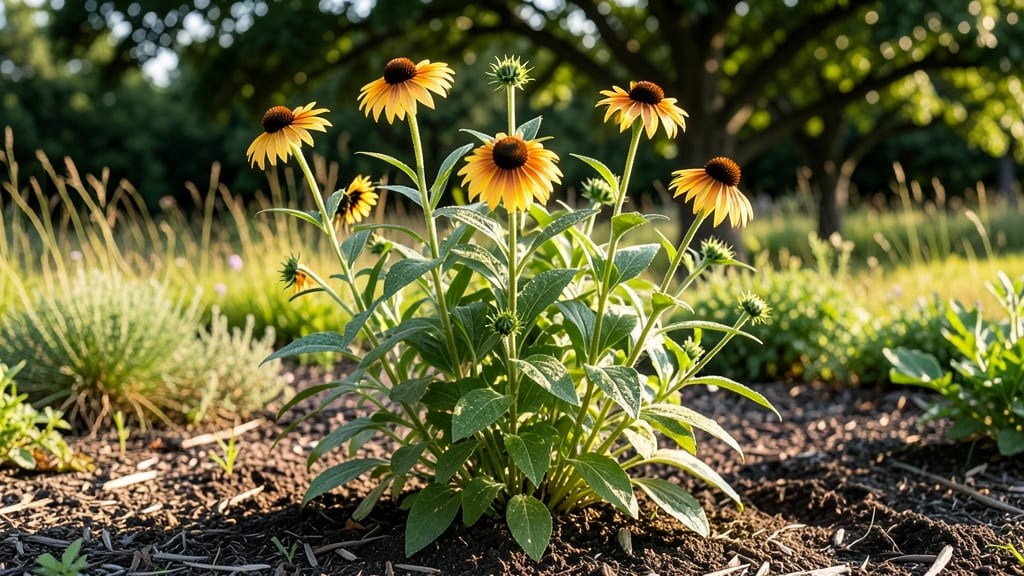
Black-eyed Susans do bloom all summer in most climates, typically from mid-summer through early fall, with peak flowering lasting 6-8 weeks. Varieties like 'Becky' and 'Golden Globe' extend blooms into September, while cooler zones may see shorter seasons. Proper care ensures continuous flowering.
These cheerful yellow flowers thrive in warm weather, with their blooming season closely tied to temperature and daylight hours. 🌞 In USDA zones 3-9, they usually kick off in June and fade by October, though some hardy varieties push into early fall.
The key to maximizing their summer display lies in selecting the right cultivar and providing consistent care—like regular deadheading and balanced fertilization—to keep them producing fresh blooms week after week.
What's fascinating is how their timing varies by region. In cooler northern climates, black-eyed Susans may start blooming later and finish sooner, while southern gardeners often enjoy extended flowering.
I've found that 'Becky' and 'Golden Globe' varieties are particularly reliable for long-season color, often rewarding gardeners with late-summer bursts even when other perennials are winding down.
💡 In This Article
- Black-Eyed Susan Bloom Duration by Variety and Climate
- Tips to Extend Black-Eyed Susan Blooms All Season
Black-eyed Susan bloom duration by variety and climate
Black-eyed Susans (Rudbeckia hirta) are photoperiod-sensitive plants, meaning their bloom cycles respond directly to daylight length and temperature. In warmer climates like USDA zones 7-9, they typically begin flowering in early June when daytime temperatures consistently reach 70°F or higher.
The peak bloom period—when you'll see the most vibrant yellow blooms—usually spans 6-8 weeks, with flowers opening sequentially on each stem to extend the visual impact. Cooler northern climates (zones 3-5) may see delayed starts, often beginning in July when soil temperatures reach 65°F or warmer.
The variety plays a critical role in bloom duration. 'Becky' and 'Golden Globe' are renowned for their extended flowering, often continuing into September in favorable conditions. These varieties produce multiple flower buds per stem, allowing them to compensate when some blooms fade.
In contrast, standard 'Indian Summer' types may bloom for 4-6 weeks unless given optimal care. The difference comes down to genetics: extended varieties have been bred to develop more lateral buds, creating a staggered bloom pattern that keeps flowers appearing fresh throughout the season. 🌻
Daylight hours are the primary trigger for blooming. Black-eyed Susans require 12-14 hours of daylight to initiate flowering, which explains why they peak in summer. As days shorten in late summer, their bloom production naturally declines.
However, in southern regions where summer heat persists, some varieties continue flowering into early fall. The key mechanism here is the plant's response to temperature: cooler nights (60°F) actually stimulate more bud formation, while extreme heat (> 90°F) can cause buds to abort before opening.
Climate zone differences create significant variations in bloom timing. In zone 9, where summers are long and hot, black-eyed Susans may begin blooming as early as May and continue through October. Meanwhile, in zone 4, they might not start until late June and finish by early September.
The northern limit for reliable blooming occurs around zone 3, where cold snaps can damage emerging buds. This geographic variation explains why gardeners in different regions often select different varieties—those in cooler zones favor hardy types like 'Prairie Sun' that tolerate shorter growing seasons.
What most gardeners don't realize is how soil temperature affects root development, which in turn impacts bloom production. Black-eyed Susans establish best when soil temperatures reach 60°F at 4-inch depth. In cooler climates, this often means waiting until late May or June to see significant flowering.
The plants' deep taproots (up to 3 feet) help them access moisture during drought, but they require consistent soil moisture during their initial growth phase to develop strong stems that support multiple blooms. 💧
For those in transitional zones (6-7), strategic planting can extend the bloom season. Planting in partial shade during the hottest months can prevent bud drop, while providing afternoon shade with taller perennials can maintain cooler root zone temperatures.
The result? A more extended display of those cheerful yellow blooms that make black-eyed Susans such garden favorites. Understanding these climate interactions helps explain why some gardeners see blooms all summer while others get just a brief display.