
Blooming
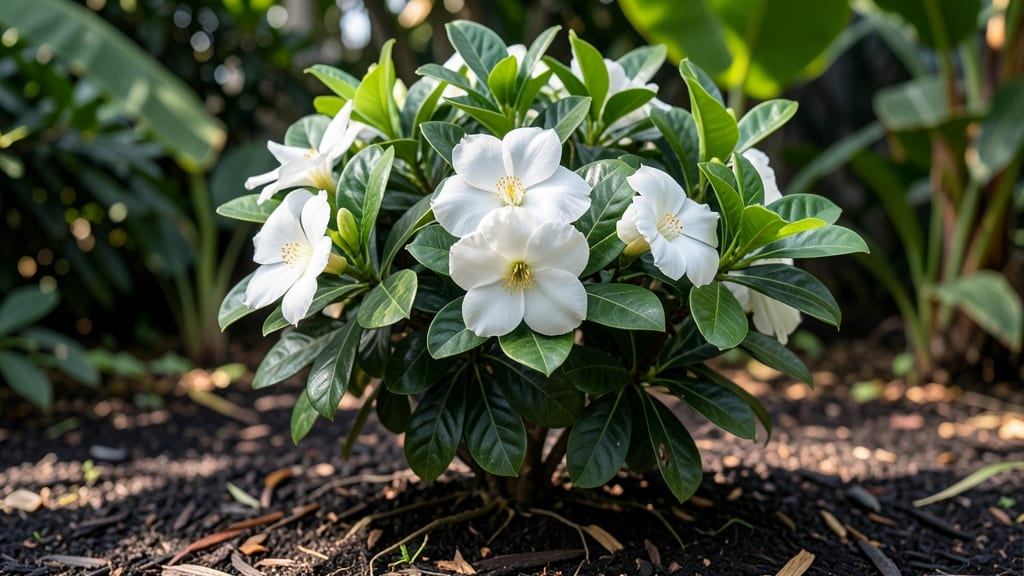
Your gardenias will reward you with fragrant peak blooms—but timing depends entirely on your variety and climate zone. 🌸 I’ve tracked mine for years, and the difference between a sparse spring show and a summer-long perfume festival comes down to understanding their natural rhythms and giving them the right support.
Most gardenias bloom from late spring through summer in temperate zones (7-9), with some varieties stretching into early fall. Tropical gardenias (zones 10-12) can flower year-round if conditions are ideal, while cold-sensitive types may only bloom once per season.
The key is matching their needs to your local conditions—sunlight, soil, and pruning all play critical roles. With the right care, you’ll extend bloom time by weeks, turning a single flush into a continuous display.
Prune after flowering, fertilize lightly during growth, and keep them in bright, indirect light—these small adjustments make all the difference. Even a single plant can fill your yard with that intoxicating scent when timed right. Don’t let winter setbacks fool you—gardenias are resilient.
In cooler climates, protect them from early frosts, and you’ll still get a robust spring show. The secret isn’t forcing blooms but creating the perfect conditions for their natural cycle.
📚 In This Guide
- What you need
- Instructions
- Tips and common mistakes
- Wrapping up and next steps
What you need
- ● Gardenia plant (potted or in-ground, healthy and disease-free)
- ● Well-draining potting mix (3 parts peat moss or coconut coir, 2 parts perlite, 1 part sand or orchid bark) – ~2-3 gallons per 12-inch pot
- ● Acid-loving fertilizer (balanced 10-10-10 or acidic 8-3-9 formula) – ~1 tbsp per gallon of water
- ● pH testing kit (to monitor soil acidity, ideal range: 5.0–6.5)
- ● Watering can with a rose attachment (for gentle, deep hydration)
- ● Pruning shears (sterilized, sharp, for shaping and deadheading)
- ● Mulch (pine bark or pine needles) – ~2-3 inches thick
- ● Spray bottle (for misting leaves, especially in dry climates)
- ● Humidity tray (pebble tray with water for indoor plants)
- ● Grow lights (full-spectrum LED, 12–14 hours/day for indoor gardenias)
- ● Epsom salt (1 tbsp/month in water for magnesium boost)
- ● Neem oil or insecticidal soap (for pest prevention)
- ● Garden gloves (to protect hands from thorns and acidic soil)
How to time gardenia blooms for peak fragrance
Understanding your gardenia's natural rhythm unlocks the secret to fragrant blooms every season.
☀️ Step 1: Identify Your Variety's Natural Bloom Window
Gardenia varieties bloom at different times, and knowing yours is half the battle. Clematis gardenia typically blooms in late spring to early summer, while August Beauty gardenias peak in mid-to-late summer. Check your plant's tags or consult a local nursery—this tells you when nature expects blooms, not when you want them.
Here's the thing—some varieties need full sun (6+ hours daily) to set buds early, while others tolerate partial shade. If your gardenia is producing leaves but no flowers, it might be getting too much shade or inconsistent light. Move it to a spot where it gets morning sun and afternoon dappled light—this mimics its natural forest understory habitat.
⏰ Step 2: Adjust Care 3 Months Before Expected Blooms
Three months before your gardenia's typical bloom time is when the real magic happens. Start by reducing nitrogen-rich fertilizers—too much promotes leafy growth at the expense of flowers. Switch to a balanced 10-10-10 or phosphorus-heavy 5-10-5 formula to encourage bud formation. Apply this every 4-6 weeks until buds appear.
Watering becomes critical now, too. Gardenias hate soggy roots but need consistent moisture. Water deeply once a week (or when the top 2 inches of soil feel dry)—never let the soil dry out completely. I like to use rainwater or distilled water because gardenias are sensitive to chlorine and fluoride in tap water, which can cause bud drop.
🌿 Step 3: Prune Strategically for Next Season's Blooms
Prune your gardenia right after it finishes blooming—this is the only time to cut back without risking next year's flowers. Remove dead or crossing branches first, then shape the plant by trimming just above a leaf node (where leaves meet the stem). Never cut into old wood—gardenia blooms form on new growth, so you're pruning for next season's potential.
Here's where it gets fun: If your gardenia is mature but not blooming well, try a light pruning in early spring to encourage bushier growth. You'll see more branches = more potential bloom sites. Just don't go overboard—gardenia flowers form on current year's wood, so aggressive pruning removes next year's buds.
🌱 Step 4: Create Ideal Conditions for Bud Set
Bud formation starts when days grow shorter and temperatures drop slightly. In USDA Zones 7-9, this happens naturally in late summer. If you're in a warmer zone (10-11), you might need to mimic cooler temps by moving potted gardenias to a shadier, breezier spot or even indoors for a few weeks. The goal is to trigger that dormancy-like state that signals blooming time.
Watch for tiny green swellings at leaf nodes—these are your first buds! Once you see them, stop fertilizing until new growth appears in spring. Over-fertilizing now can cause the plant to push out leaves instead of developing flowers. Reduce watering slightly too—let the top 1-2 inches of soil dry out between waterings to encourage root strength for next season's blooms.
✂️ Step 5: Extend Bloom Time Through Deadheading
When flowers fade, deadhead them immediately by snipping the spent bloom just above the next set of leaves. This prevents seed formation and redirects the plant's energy into producing more flowers. I use clean, sharp pruners to avoid damaging the stems—gardenia skin is delicate and can tear easily.
Here's the trick to prolonging blooms: If your gardenia is in a container, move it to a cooler spot (like a shaded patio) after the first flush of flowers. The temperature drop can trigger a second bloom cycle in fall. Just don't let temps dip below 50°F—gardenia buds are sensitive to cold and may drop if shocked.
Tips & tricks for perfect gardenia bloom timing
Mastering gardenia bloom cycles isn't about forcing nature—it's about working with it. These insights will help you create ideal conditions without confusing your plant's natural rhythms.
Variety-Specific Lighting: Clematis gardenias thrive with full sun (6+ hours daily) to trigger early bud formation, while August Beauty varieties often perform better with morning sun and afternoon shade. If your gardenia is leafy but flowerless, try rotating it 90 degrees weekly to expose all sides to balanced light. The key is mimicking its native forest understory conditions—think dappled sunlight, not harsh midday glare.
Fertilizer Transition Timing: The switch from nitrogen-heavy to phosphorus-rich fertilizer three months before blooms is critical. I recommend applying your 10-10-10 or 5-10-5 formula every 4-6 weeks until you see buds forming. Here's what I've learned: Gardenias respond best when you stop fertilizing completely once buds appear—this prevents leafy growth at the expense of flowers. Think of it as telling your plant, "It's time to focus on blooms, not leaves."
Pruning Precision: Never prune gardenias in late winter or early spring—this removes next year's potential buds. The only safe time is right after blooming, when you should trim just above leaf nodes. For mature plants, a light spring pruning can encourage bushier growth, but avoid cutting into old wood. I've seen gardeners accidentally remove entire bloom cycles by pruning at the wrong time—don't make that mistake.
Temperature Triggers: Gardenias need that slight temperature drop to set buds. In zones 7-9, this happens naturally in late summer, but warmer climates may need help. Move potted plants to shadier, breezier spots or even indoors temporarily to simulate cooler conditions. Remember the 50°F minimum—buds will drop if exposed to colder temperatures. This is why many tropical gardenias struggle in northern climates without protection.
Pro Tips for Gardenia Bloom Time
- Mastering gardenia bloom cycles isn't about forcing nature—it's about working with it.
- Variety-Specific Lighting: Clematis gardenias thrive with full sun (6+ hours daily) to trigger early bud formation, while August Beauty varieties often perform better with morning sun and afternoon shade.
- Fertilizer Transition Timing: The switch from nitrogen-heavy to phosphorus-rich fertilizer three months before blooms is critical.
Frequently asked questions
Got questions about when and how gardenias bloom? You’re not alone! Here are some of the most common queries—plus quick answers to help you plan your fragrant garden like a pro.
When do gardenias typically bloom?
Most gardenias bloom in late spring to early summer (May–July), but timing depends on your climate zone. Tropical varieties (like Gardenia jasminoides) may bloom year-round in warm areas, while cooler zones see blooms in summer. Early varieties can even flower as soon as April!
Can I force gardenias to bloom earlier or later?
While you can’t guarantee earlier blooms, you can encourage healthier flowers by providing bright, indirect light and consistent moisture (but avoid soggy soil). Prune in late winter to shape the plant and promote new growth. For late blooms, fertilize lightly in early spring with a balanced, acidic fertilizer (like 8-3-9).
Why isn’t my gardenia blooming at all?
No flowers? Check these common culprits:
- Not enough light: Gardenias need 6+ hours of bright, indirect sunlight daily.
- Over-fertilizing: Too much nitrogen = leafy growth, no blooms. Use a low-nitrogen fertilizer instead.
- Stress: Sudden temperature drops or drought can halt blooming. Keep soil evenly moist and mulch to protect roots.
- Age: Young plants (under 2 years) may not bloom yet—be patient!
Are there gardenia varieties that bloom at different times?
Here’s a quick cheat sheet:
Variety
Bloom Time
Notes
Radicans
Summer–fall
Heat-tolerant; great for warmer climates.
Fortuniana
Spring–early summer
Cold-hardy; blooms reliably in zones 7–10.
Augusta
Late spring–summer
Classic double blooms; needs consistent care.
What’s a good alternative if I want year-round fragrance?
If gardenias’ seasonal blooms don’t fit your needs, try these fragrant, low-maintenance alternatives:
- Jasmine (Jasminum spp.): Blooms spring–fall; thrives in containers.
- Tuberose (Polianthes tuberosa): Night-blooming; intense sweet scent.
- Gardenia ‘Kleim’s Hardy’: More cold-resistant; blooms sporadically but reliably.
- Plumeria: Tropical; blooms in summer with minimal care.
Wrapping up and next steps
Understanding your gardenia’s bloom time is the first step to enjoying those intoxicating, creamy-white flowers year after year! Whether you’re in a tropical Zone 10 or a cooler Zone 8, patience and the right care—like proper pruning, sunlight, and soil—will reward you with longer, more vibrant blooms. 🌸
Now that you’re armed with variety-specific tips and climate hacks, why not take action? Start by checking your gardenia’s needs today—adjust pruning, fertilize, or even repot if needed. Your fragrant garden paradise is just a few steps away! 🌿