
Blooming
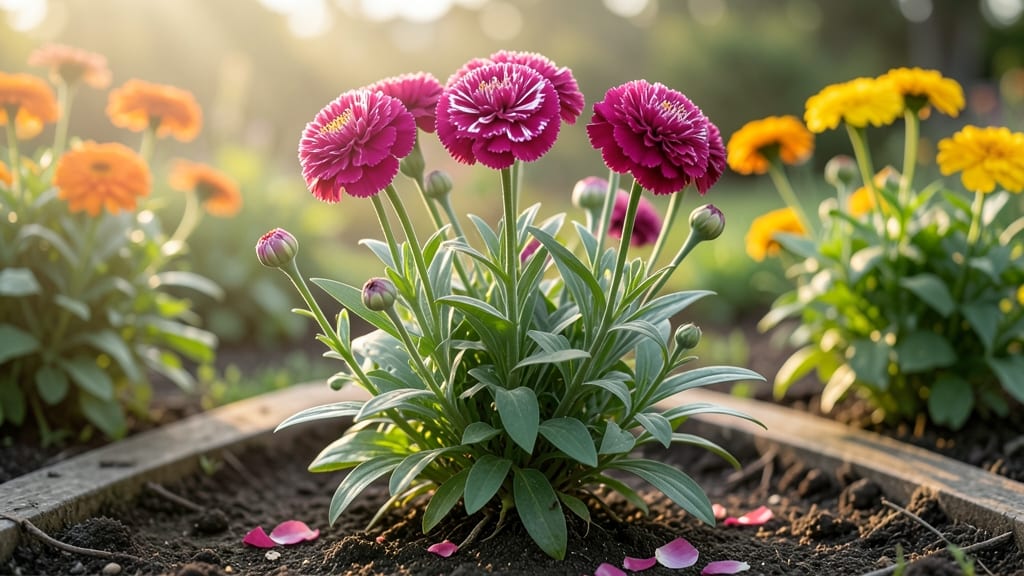
Carnations don't bloom continuously all summer—most varieties flower primarily in spring and fall, though some reblooming types like 'Spray' or 'Improved Dwarf' may produce occasional summer blooms with proper care. Regular deadheading and selecting long-blooming cultivars helps maximize summer color.
Carnation blooming patterns are actually tied to their natural growth cycles, which are influenced by daylight hours and temperature shifts. 🌸 The spring and fall blooms you see most often occur when days are getting longer or shorter, triggering the plant's flowering response.
Even reblooming varieties need a period of rest between bloom cycles, which is why summer flowers might appear sporadically rather than continuously. The key to getting more summer blooms lies in two simple practices: removing spent flowers promptly (deadheading) and choosing varieties specifically bred for extended blooming seasons.
For gardeners in warmer climates, summer blooming can sometimes be more consistent, while cooler regions may see more sporadic flowering. This is why selecting the right cultivar matters—types like 'Spray' carnations are bred to handle heat better and may produce more flowers during summer months.
The trade-off? They often require more frequent deadheading to encourage new buds to form.
💡 In This Article
- Carnation Bloom Cycles: Seasonal Patterns by Variety
- Extending Summer Carnations: Deadheading and Care Tips
Carnation bloom cycles: seasonal patterns by variety
Carnations follow a natural blooming rhythm tied to photoperiodism—the plant's response to daylight length. Most standard varieties like 'William Sim' or 'Chabaud' bloom primarily in spring (March-May) and fall (September-November) when daylight hours are changing dramatically.
This is because carnations are short-day plants, meaning they flower when daylight is 12-14 hours or less, which triggers their genetic blooming signals. 🌿 The summer solstice (June 21) marks the longest daylight period of the year, typically suppressing new flower formation in most varieties.
However, reblooming carnations like 'Spray' or 'Improved Dwarf' varieties have been selectively bred to break this pattern. These types can produce 2-3 bloom cycles per year by entering a partial dormancy phase after each flush, then reblooming when given proper care.
For example, 'Spray' carnations may produce 10-15% of their annual blooms in summer if deadheaded consistently, while standard types might produce only 5% or fewer summer flowers. The key difference lies in their genetic makeup—rebloomers have been crossbred with species like Dianthus barbatus to extend their flowering window.
Climate zones dramatically affect bloom timing. In USDA Zones 8-10, where winters are mild, carnations may produce continuous blooms year-round with minimal seasonal variation. But in Zones 5-7, the cold winter months force a natural dormancy period, resetting the blooming cycle.
This explains why gardeners in cooler regions often see more pronounced spring/fall blooming patterns. Even in warm climates, summer blooms tend to be smaller and less abundant because the plant's energy focuses on maintaining foliage rather than producing flowers during peak heat.
Here's how daylight affects specific varieties:
- Standard carnations: Bloom primarily during 12-hour daylight periods (spring/fall), with minimal summer flowering
- Miniature carnations: Can produce 20-30% summer blooms due to smaller size and faster recovery
- Spray carnations: Designed for 3-4 bloom cycles/year, with summer blooms possible if deadheaded
The science behind this involves a hormone called florigen, which is produced in leaves when daylight is optimal. In summer, the 24-hour light exposure in many regions suppresses florigen production, delaying new flower formation until daylight shortens again.
This is why even reblooming varieties may show 1-2 week delays between summer blooms compared to spring blooms. 🌞