
Blooming
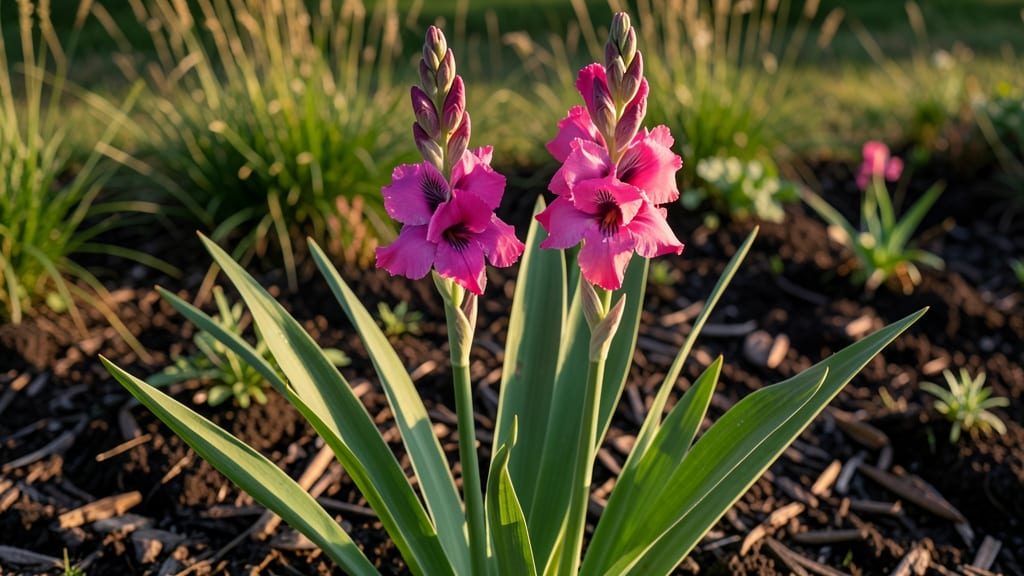
Gladiolus do not bloom all summer; they typically flower for 4-6 weeks per season, with peak blooming in mid-to-late summer depending on the variety and climate. Proper deadheading and seasonal care can extend their display but not indefinitely.
Gladiolus are seasonal performers rather than year-round bloomers, with their vibrant displays tied directly to their natural growth cycle. 🌸 The 4-6 week flowering window occurs because these plants prioritize energy into bulb development after blooming, which is why you'll rarely see them in continuous bloom.
What's fascinating is how different varieties align with specific climate zones—early bloomers might start in June, while late varieties peak in August or even September, depending on where you live.
This isn't just about timing though—it's about their biological design. After their main bloom period, gladiolus enter a dormancy phase where they focus on storing energy for next year's growth.
That's why deadheading (removing spent blooms) becomes crucial—it redirects the plant's energy toward producing more flowers during their active season rather than wasting it on seed development.
💡 In This Article
- Gladiolus Blooming Seasons: Climate and Variety Factors
- Deadheading and Care Tips to Prolong Gladiolus Flowers
Gladiolus blooming seasons: climate and variety factors
Gladiolus flowering cycles are tightly linked to photoperiodism—the plant's response to daylight length. In USDA Hardiness Zones 5-9, most varieties follow a June-August bloom window because they require 10-14 hours of daylight to trigger flower buds.
Early bloomers like 'Green Star' may start as early as late May in warm climates (Zone 9), while late varieties like 'Black Star' can extend blooms until early September in cooler regions (Zone 5).
The plant's growth cycle follows a 3-phase pattern: vegetative (leaf growth), flowering, and dormancy. After 4-6 weeks of blooming, gladiolus shift energy toward bulb development, which explains why continuous flowering isn't possible.
In tropical climates (Zone 10+), some varieties can rebloom if given consistent moisture and fertilizer, but this is the exception rather than the rule. The key difference lies in temperature sensitivity—gladiolus in Zone 7+ often produce larger blooms because warmer nights prevent stress-induced dormancy.
What most gardeners don't realize is how soil temperature affects timing. Gladiolus corms need 60-65°F soil to sprout, which typically occurs 2-3 weeks after last frost in most regions.
Planting too early in cold climates (Zones 3-4) can delay blooming by 3-4 weeks because the corms remain dormant until soil warms. This is why northern gardeners often see their gladiolus peak in late July-August, while southern growers enjoy June blooms.
Variety selection makes a dramatic difference. Early-season types like 'Picasso' (pink) bloom in 60-65 days, while late varieties such as 'White Prosperity' take 90-100 days. The trade-off? Early bloomers produce smaller flowers (2-3 inches) compared to late varieties (4-6 inches).
This biological trade-off explains why you won't find gladiolus in continuous bloom—the plant's energy budget prioritizes either flower size or quantity, not both simultaneously.
Another critical factor is vernalization—a cold treatment some varieties need to flower properly. While most gladiolus don't require this, some hybrid cultivars (like 'Telemon' series) benefit from 4-6 weeks at 40-50°F before planting.
This chilling period synchronizes their blooming with seasonal daylight changes, creating more predictable flowering windows. Without it, you might see staggered blooms rather than the synchronized displays gardeners love.
Regional differences create fascinating variations. In Mediterranean climates, gladiolus often bloom twice—once in spring and again in fall—because mild winters prevent full dormancy. Meanwhile, in continental climates (like the Midwest), the 4-6 week summer bloom is the only reliable window.
This geographic variation explains why some gardeners in California see gladiolus blooming from May to October, while those in New York get just 3-4 weeks** of peak color.