
Blooming
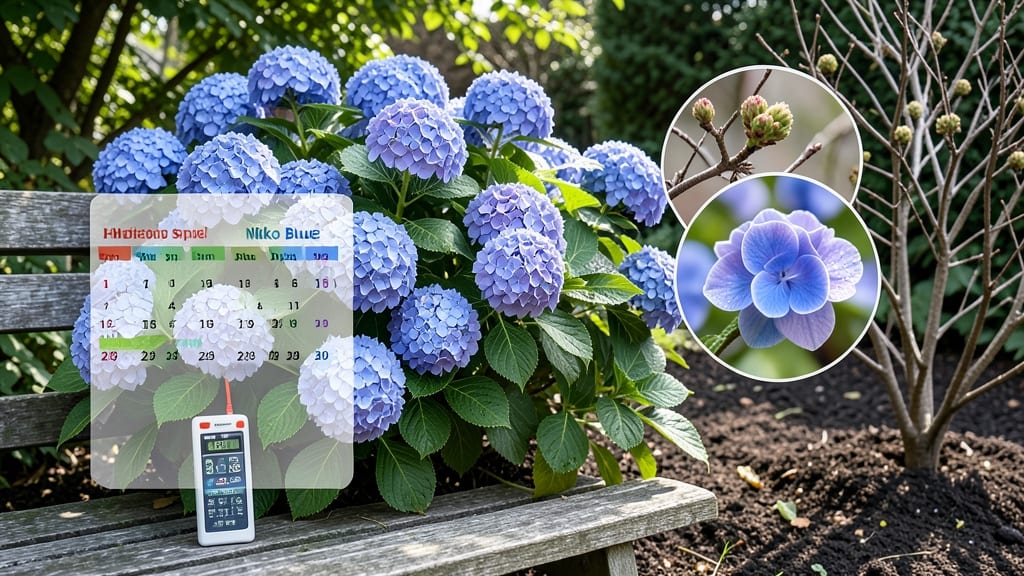
Hydrangeas do not bloom all year; most varieties flower seasonally from late spring through summer or early fall, with blooming patterns influenced by climate and species. Everblooming types can extend the season but still need dormancy periods for healthy growth.
Hydrangeas follow nature's seasonal rhythm, with blooming triggered by temperature shifts and daylight changes. 🌸 The most common varieties—like bigleaf and oakleaf—produce their showiest flowers in one flush, typically between May and September, though timing varies by region.
Everblooming types (such as 'Endless Summer') can produce two bloom cycles, but even they need a brief rest period to recharge for the next season.
What's fascinating is how hydrangeas "know" when to bloom. These plants rely on chilling hours (a period of cold temperatures) to break dormancy and trigger flower buds. In warmer climates, this might mean blooming later in the season, while cooler regions often see earlier starts.
Even everblooming varieties can struggle if they don't get this essential cold exposure—think of it as their version of a winter vacation!
The good news is that with proper care—like strategic pruning and consistent moisture—you can coax more blooms throughout the season. But remember, these plants are hardwired to follow nature's schedule, so don't fight it too hard. The key is working with their natural cycle rather than against it. 🌿
💡 In This Article
- Why Hydrangeas Bloom Seasonally: Climate and Variety Factors
- How to Extend Hydrangea Blooms: Pruning and Care Tips
Why hydrangeas bloom seasonally: climate and variety factors
The seasonal blooming of hydrangeas is primarily driven by their biological need for dormancy, a survival mechanism triggered by temperature shifts and daylight changes.
Most varieties, like the popular bigleaf hydrangea (Hydrangea macrophylla), enter a semi-dormant state during winter, requiring 400-600 chilling hours (temperatures between 32-45°F) to break dormancy and initiate flower bud formation.
This cold exposure resets their growth cycle, ensuring they bloom at the optimal time when pollinators are active and conditions are favorable. 🌸
Daylight length plays a secondary but crucial role. Hydrangeas are photoperiodic plants, meaning their blooming is influenced by the length of daylight they receive. In temperate climates, longer summer days signal the plant to produce flowers, while shorter autumn days trigger the preparation for dormancy.
For example, in the Pacific Northwest, hydrangeas often bloom from June to September, while in the Deep South, they may start as early as April but fade by July due to heat stress. Regional variations like these explain why your neighbor's hydrangeas might bloom months earlier or later than yours.
Different hydrangea species have evolved distinct strategies to adapt to their native climates. The oakleaf hydrangea (Hydrangea quercifolia), for instance, thrives in the southeastern U.S. and blooms in late spring to early summer, producing large, cone-shaped flowers that last for 6-8 weeks before fading.
Meanwhile, the panicle hydrangea (Hydrangea paniculata), native to Asia, often blooms later in the season (July to October) and can produce a second flush of smaller flowers if pruned correctly. These variations highlight how hydrangeas have specialized to maximize their blooming windows in their native environments.
Climate also affects the intensity and duration of blooming. In cooler regions like the Midwest, hydrangeas may produce more vibrant flowers due to slower growth rates and better moisture retention in the soil.
Conversely, in hot, dry climates like Arizona, hydrangeas might struggle to bloom at all unless provided with consistent irrigation and afternoon shade.
Even everblooming varieties, like 'Endless Summer,' rely on this seasonal rhythm—they simply produce two bloom cycles (spring and summer) instead of one, but they still need a brief rest period to recharge their energy reserves. 🌿
What most gardeners don't realize is that hydrangeas also respond to soil pH levels, which can influence not just flower color but also blooming duration. For example, acidic soils (pH < 6.0) enhance blue flower hues in H. macrophylla, while alkaline soils (pH > 7.0) produce pink flowers.
However, extreme pH levels can stress the plant, reducing its ability to produce flowers. Maintaining a balanced pH (around 6.0-6.5) ensures optimal blooming while supporting overall plant health. This interplay between climate, soil, and plant biology explains why some hydrangeas thrive in one garden but struggle in another.
Finally, it's worth noting that stress factors like drought, extreme heat, or poor soil can disrupt the blooming cycle entirely. Hydrangeas are sensitive to sudden environmental changes, and their seasonal rhythm is finely tuned to stable conditions.
For instance, a late spring frost can damage emerging buds, while prolonged summer drought can cause the plant to conserve energy by reducing flower production. Understanding these factors helps gardeners create conditions that support natural blooming patterns while minimizing disruptions. 💫