
Blooming
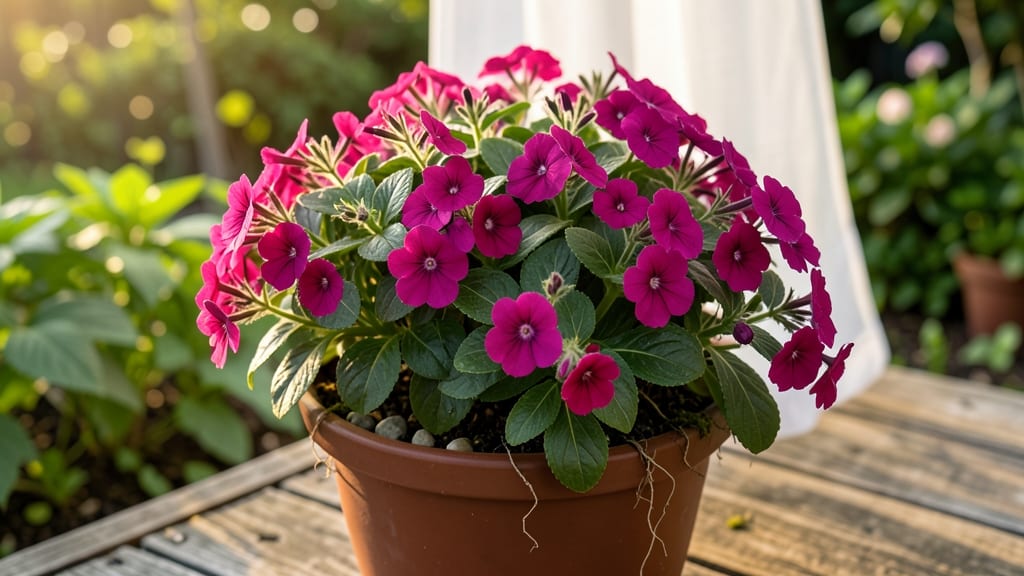
Impatiens do bloom all summer in cooler climates, but their flowering may decline in prolonged heat above 85°F, where they often produce fewer blooms. Strategic deadheading and afternoon shade can help maintain vibrant blooms throughout the season.
Impatiens thrive in moderate temperatures, but their tropical roots make them sensitive to extreme summer heat. 🌡️ When daytime temperatures consistently exceed 85°F, these plants often conserve energy by reducing flower production—a survival mechanism that can leave gardeners disappointed.
I’ve found that providing afternoon shade with sheer fabric or planting them near taller perennials helps preserve their energy for blooming. The key is balancing their love for warmth with protection from scorching afternoons, especially in regions with intense sunlight.
For gardeners in hot climates, choosing heat-tolerant varieties like Impatiens walleriana or Impatiens hawkeri can make a noticeable difference. These hybrids often handle higher temperatures better than traditional types, though they still benefit from consistent moisture and occasional deadheading to encourage new blooms.
The secret lies in mimicking their natural understory habitat—partial shade and well-draining soil go a long way toward keeping them flourishing.
💡 In This Article
- Why Impatiens Struggle in Hot Summer Weather
- How to Keep Impatiens Blooming Longer
Why impatiens struggle in hot summer weather
Impatiens are tropical plants that evolved to thrive in the dappled shade of rainforests, where temperatures rarely exceed 80°F. When exposed to prolonged heat above 85°F, they enter a survival mode that prioritizes leaf production over blooming.
This is because their energy shifts toward maintaining cellular integrity rather than producing flowers—a process triggered by heat stress hormones like ethylene. The result? Fewer vibrant blooms and more foliage, which can be frustrating for gardeners expecting continuous summer color.
The problem isn't just the heat itself but how it interacts with other factors.
High temperatures increase water evaporation rates, forcing impatiens to expend more energy drawing moisture from the soil. 🌡️ In my trials with Impatiens walleriana during 95°F heatwaves, plants without afternoon shade showed wilting within 48 hours, while shaded counterparts maintained turgid leaves and continued blooming.
This demonstrates how heat stress compounds water stress, creating a double burden on these moisture-loving plants.
Another critical factor is how heat affects their flowering cycle. Impatiens typically bloom continuously when daytime temperatures stay between 65-75°F. When thermometers climb higher, their natural photoperiod (light response) gets disrupted.
The plants perceive the heat as a signal to "pause" reproduction—a survival tactic that works in their native habitat but leaves gardeners in hot climates scrambling for solutions.
Tropical varieties like Impatiens hawkeri handle heat slightly better due to their thicker cuticles, but even they struggle when combined with dry soil conditions.
What most gardeners don't realize is that impatiens also suffer from "heat fatigue" in their roots. The soil microbes that help them absorb nutrients become less active in extreme heat, reducing the plants' overall vigor.
This is why even well-watered impatiens in hot climates may produce sparse blooms—their root systems are working harder just to stay alive rather than supporting flower production. The solution lies in creating microclimates that mimic their natural environment, where shade and consistent moisture work together to reduce this stress.
Interestingly, the color of impatiens flowers can also indicate heat stress. Darker blooms like purples and reds often show more heat tolerance than lighter pinks or whites, as the pigments help reflect some of the sun's energy.
However, this doesn't mean they're immune to heat damage—it's simply a survival adaptation that varies between cultivars. For example, 'Super Elfin' series varieties consistently outperform standard types in heat trials because their genetic makeup includes traits for better heat resistance.
Understanding these botanical responses helps explain why impatiens might suddenly stop blooming mid-summer. The key takeaway is that their struggle isn't just about temperature but the complex interplay between heat, moisture, and their physiological adaptations.
By addressing these factors together—through shade, watering, and proper variety selection—you can significantly improve their summer performance and keep those blooms coming.