
Blooming
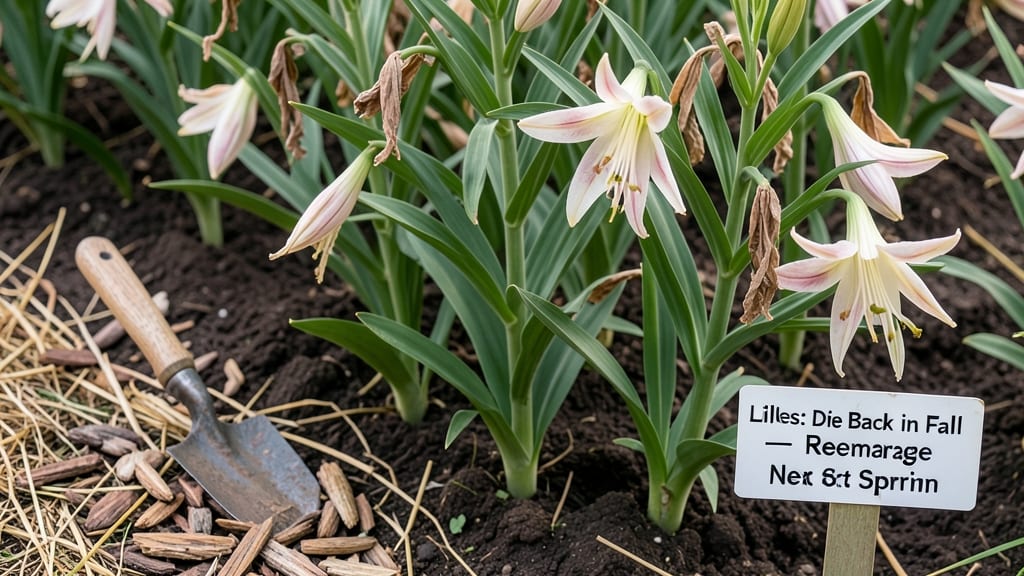
Lilies bloom again after their first season only if they are reblooming varieties like Stargazer or Casa Blanca, typically returning in late summer or early fall under ideal conditions—full sun, well-draining soil, and consistent moisture. Most lilies, however, are perennial but require proper care to encourage regrowth.
Not all lilies are created equal when it comes to reblooming. 🌸 The key difference lies in their genetic makeup—while Asiatic lilies typically bloom once per season, Oriental hybrids like Stargazer are bred to produce multiple flower stalks.
What triggers reblooming is a combination of proper bulb care and seasonal cues: cutting back spent blooms, feeding with potassium-rich fertilizer in late summer, and ensuring the soil stays moist but not waterlogged.
I’ve found that lilies need at least 6-8 hours of sunlight daily and well-draining soil to store enough energy for next year’s blooms.
Another critical factor is temperature. Lilies enter dormancy in winter, and cooler nights followed by warm days in spring signal them to push new growth. If your climate has harsh winters, consider mulching around the base to protect the bulbs.
The first year often sets the stage—healthy bulbs planted at the right depth (usually 6-8 inches deep) are far more likely to rebloom consistently.
💡 In This Article
- Why Some Lilies Bloom Again While Others Don’t
- How to Encourage Lilies to Rebloom Year After Year
Why some lilies bloom again while others don’t
The secret to reblooming lies in the lily’s genetic blueprint. Asiatic lilies, like the popular 'Tiger' variety, are designed to produce just one flower stalk per season. Their energy is focused on a single burst of blooms, typically in early summer, after which they enter dormancy.
In contrast, Oriental hybrids such as Stargazer or Casa Blanca are bred specifically to produce multiple flower stalks—sometimes up to three—because they store extra energy in their bulbs. 🌿 This genetic difference means reblooming varieties can push new growth after removing spent blooms, while Asiatics typically won’t rebloom without special care.
Bulb health is the foundation of reblooming success. A healthy bulb stores carbohydrates (like starch) during the growing season, which it converts into energy for next year’s blooms. When lilies receive 6-8 hours of full sun daily and well-draining soil, their bulbs can store enough energy to support reblooming.
For example, a well-fed Stargazer bulb might produce its first bloom in late spring and a second in early fall, while a neglected one might only manage a single, weaker bloom.
The soil’s moisture level also matters—too much water can rot the bulb, while too little stresses it, both of which reduce energy storage.
Seasonal cues play a critical role in triggering reblooming. Lilies rely on temperature fluctuations to signal when to push new growth. Cooler nights followed by warm days in spring stimulate the bulb to send up new shoots.
In regions with mild winters, lilies may even bloom twice in one season if conditions are ideal. However, in colder climates, the bulb needs a period of dormancy (typically 4-6 weeks below 50°F) to reset its growth cycle.
Without this dormancy, the bulb may produce weak or no blooms the following year. 🌡️
Pruning also influences reblooming potential. After the first bloom cycle, gardeners often remove the spent flower stalk to redirect the plant’s energy toward bulb development. However, with reblooming varieties, leaving the stalk (or even the seed pod) can sometimes encourage a second bloom, though this drains the bulb’s energy reserves.
The trade-off is whether you prioritize immediate beauty or long-term bulb health. For Asiatic lilies, removing the stalk entirely is usually best to ensure a strong return next season.
Another factor is the lily’s age. Younger bulbs (typically 1-2 years old) focus their energy on establishing a strong root system rather than blooming. It can take 2-3 years for a newly planted bulb to reach full maturity and consistently rebloom.
Older bulbs, on the other hand, may produce more blooms but can also become overcrowded, leading to smaller flowers. Dividing clumps every 3-4 years helps maintain vigor and encourages stronger reblooming. 🌱
Finally, soil quality and fertility impact reblooming. Lilies thrive in slightly acidic to neutral soil (pH 6.1-7.0) rich in organic matter. Adding compost or well-rotted manure in early spring provides essential nutrients like phosphorus and potassium, which support bulb development.
A lack of these nutrients can result in weak stems, small blooms, or no reblooming at all. For example, a soil test revealing low potassium levels might explain why your lilies fail to rebloom despite other ideal conditions.