
Blooming
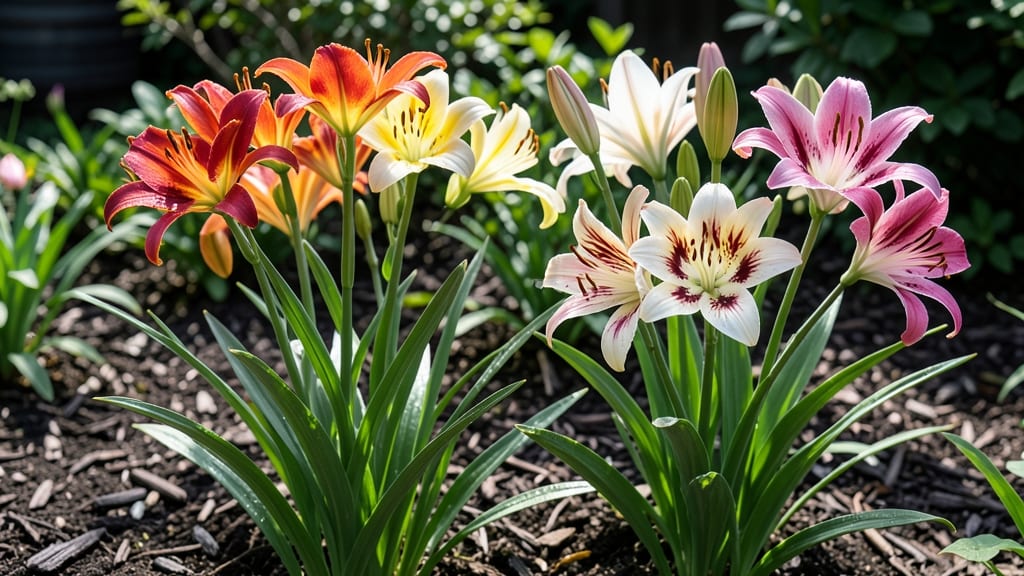
Lilies don't bloom all summer—most varieties flower for just 2-4 weeks annually, with reblooming depending on species, care, and climate. True lilies (Lilium) typically bloom once, while daylilies (Hemerocallis) may rebloom under ideal growing conditions.
Most gardeners assume lilies provide continuous summer color, but the reality is far more nuanced. 🌸 True lilies (Lilium) follow a strict seasonal bloom cycle triggered by temperature shifts and daylight hours, which is why their flowers appear in bursts rather than steady displays.
Daylilies, on the other hand, can extend their season with proper maintenance—think consistent moisture and balanced fertilizing—but even they have natural dormancy periods that reset their blooming schedule.
What's fascinating is how climate plays a role: cooler summer regions often see longer bloom periods for certain varieties, while hotter areas may experience earlier dormancy. For example, Asiatic lilies might reward you with a second flush of flowers if you deadhead spent blooms and maintain consistent soil moisture.
The key is understanding your specific variety's needs—some are naturally single-bloomers, while others just need the right conditions to perform their seasonal magic.
💡 In This Article
- Lily Bloom Cycles: Single vs Reblooming Species Explained
- Extending Lily Blooms: Pruning, Fertilizing, and Seasonal Care Tips
Lily bloom cycles: single vs reblooming species explained
The fundamental difference between true lilies (Lilium) and daylilies (Hemerocallis) lies in their biological structure and growth patterns. True lilies are monocots with a single growing season per year, where energy is focused entirely on producing one spectacular bloom cycle.
This is why most varieties—like the classic Easter Lily (Lilium longiflorum)—bloom for just 2-3 weeks in late spring to early summer, then enter dormancy. Their bulbs store energy for next year's growth, leaving no reserves for additional blooms. 🌸
Daylilies, however, are perennials with a different growth strategy. Their fleshy rhizomes store energy throughout the season, allowing them to produce multiple bloom cycles under ideal conditions.
A healthy daylily plant can generate 10-20 buds per stem, with each bud lasting just 24 hours (hence the name)—but new buds continuously form.
Varieties like 'Stella de Oro' may rebloom for 6-8 weeks if given consistent moisture and proper fertilization, though they still need a 6-8 week dormancy period in winter to reset their cycle.
The reblooming potential in true lilies comes down to specific hybrids. Asiatic lilies (like 'Yellow Tiger') are the exceptions—some varieties can produce a second, smaller bloom cycle if you deadhead spent flowers immediately and maintain consistent soil moisture (1-1.5 inches per week).
The biological trigger here is the plant's response to daylight hours shortening after the summer solstice, which signals it to redirect energy toward bulb storage rather than flowering. 🌿
Temperature plays a surprising role in bloom duration. True lilies in USDA zones 3-5 often bloom 1-2 weeks longer than their southern counterparts because cooler nights slow metabolic processes, extending the flowering period.
Meanwhile, daylilies in hot climates (zones 8-10) may experience heat stress that triggers early dormancy, cutting bloom time short. This is why gardeners in zone 6 often report the most reliable reblooming patterns—cool enough to prevent heat stress but warm enough for extended growing seasons.
Light exposure is another critical factor. True lilies need full sun (6-8 hours daily) to initiate blooming, but excessive afternoon heat can shorten their season. Daylilies, however, are more adaptable—they'll bloom with 4-6 hours of sun, though their color intensity may fade.
The key difference is that daylilies can photosynthesize through their rhizomes, allowing them to store energy even when above-ground foliage is dormant. This rhizome-based energy storage is what enables their potential for multiple bloom cycles. ✨
What most gardeners overlook is the post-bloom care that determines next year's performance. For true lilies, leaving seed pods on the plant (if you want propagation) will deplete 30-40% of the bulb's energy, reducing next year's bloom size.
Daylilies, however, can handle seed pod removal more aggressively—their rhizome system compensates better. The science here involves carbohydrate allocation: bulbs and rhizomes must balance current blooming with future growth, and this balance is what creates the seasonal limitations we observe. 💫