
Blooming
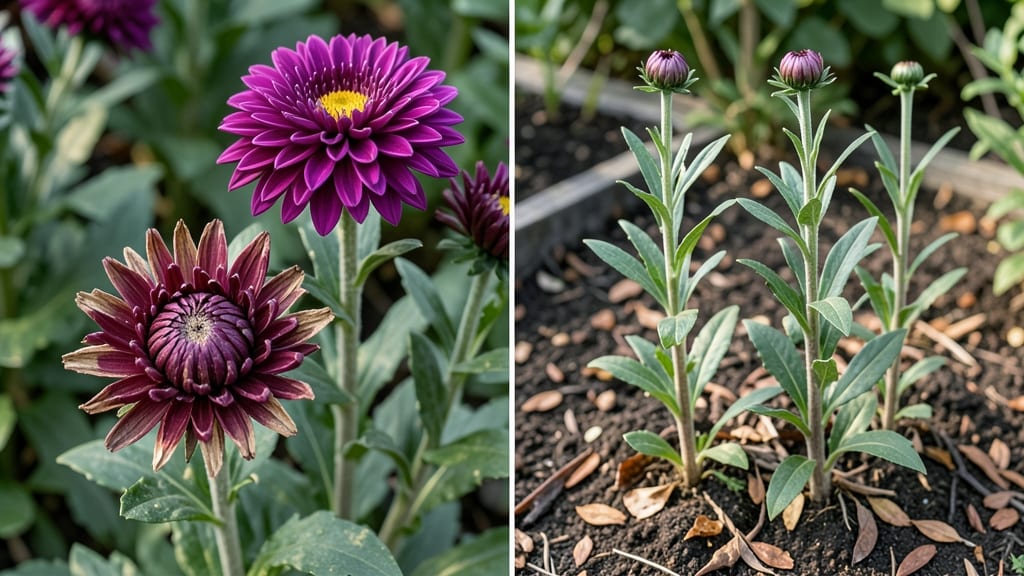
The answer is no—do mums only bloom once per season? Not always. Reblooming chrysanthemum varieties can produce multiple flower flushes with proper care like deadheading, balanced fertilization, and consistent watering. However, most standard mums bloom only once in fall unless they're specifically bred for reblooming.
This difference comes down to how chrysanthemums respond to daylight. 🌸 Standard varieties rely on shorter days in late summer to trigger their single bloom cycle, while reblooming types need regular pruning and fertilizer to keep producing flowers.
Think of it like training a plant to perform multiple times—it takes consistent effort. I've seen reblooming mums continue flowering into early winter with the right care, making them a garden showstopper well beyond the usual fall display.
What's interesting is that reblooming mums actually have two growth phases: the initial flush in early fall and subsequent blooms that appear if you maintain the plant properly.
The key is understanding their light requirements—most need at least 6 hours of sunlight daily but can tolerate partial shade in hotter climates. This makes them surprisingly adaptable for different garden conditions.
💡 In This Article
- How Reblooming Mum Varieties Defy the Once-a-Season Rule
- Tips for Encouraging Reblooming in Your Chrysanthemums
How reblooming mum varieties defy the once-a-season rule
The secret behind reblooming chrysanthemums lies in their photoperiod sensitivity—the way they respond to daylight changes. Standard varieties are short-day plants, meaning they bloom when daylight drops below 12-14 hours in late summer.
This natural trigger creates their single fall display. Reblooming types, however, have been selectively bred to override this sensitivity through hormonal adjustments, allowing them to produce flowers multiple times with proper care. 🌟
This hormonal magic works through a process called vernalization—a controlled exposure to cold temperatures that resets the plant's growth cycle. Reblooming mums need 50-60°F nights for about 4-6 weeks to trigger new flower buds after their initial bloom. Without this cool period, they'll focus energy on foliage instead.
The plant's natural florigen hormone (which signals flowering) gets a second boost when you combine proper pruning with balanced fertilization—typically a 10-10-10 NPK ratio every 4-6 weeks during active growth.
What makes reblooming varieties so fascinating is their two-phase growth pattern. After the initial fall bloom, these plants enter a vegetative recovery phase where they build energy reserves.
With consistent care—like removing spent blooms (deadheading) and maintaining 1-2 inches of moisture in the soil—they'll produce secondary blooms in late fall or even early spring. This creates that stunning multi-season display gardeners love, but it requires understanding the plant's light and temperature thresholds.
Here's where things get technical: Reblooming mums have a modified photoperiod response that allows them to "reset" their flowering cycle. When you prune them back by one-third after the first bloom, you're stimulating new lateral shoots that can develop into flower buds.
This works because the plant's apical dominance (where growth concentrates at the tip) gets interrupted, forcing energy into side branches. The key measurement here is 3-4 inches of new growth before expecting another bloom cycle—this ensures the plant has enough energy reserves. 🌿
The color variations in reblooming mums also tell an interesting story. While standard varieties often have darker, more intense hues (like deep reds or purples), reblooming types frequently show lighter, pastel shades in subsequent blooms.
This happens because the plant's energy gets divided between maintaining existing foliage and producing new flowers, resulting in less pigment concentration. For example, a vibrant crimson mum might produce soft pinkish-red blooms in its second flush—this color shift is a visual indicator that the plant is working hard to rebloom.
What most gardeners don't realize is that reblooming mums actually have three potential bloom cycles per season if conditions are perfect: the initial fall display, a winter bloom (with proper protection from frost), and sometimes even a spring rebloom if you overwinter the plant. The catch?
Each subsequent bloom requires more intensive care—like monthly applications of phosphorus-rich fertilizer (to encourage flowering) and protection from temperatures below 25°F. This is why many gardeners focus on just the fall and winter displays—the energy investment for spring blooms often isn't worth it for casual gardeners. 💫