
Blooming
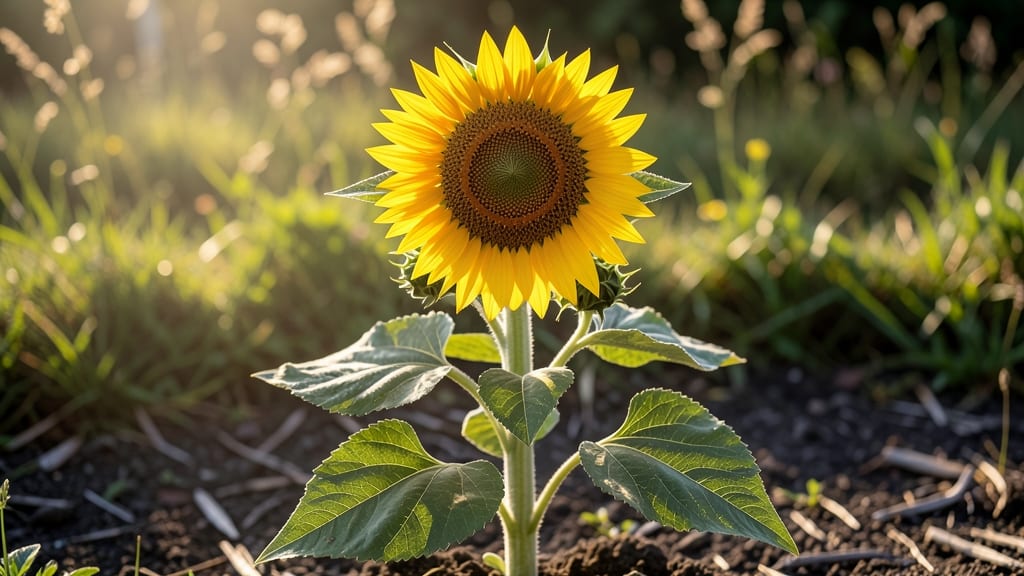
Sunflowers bloom in spring only for select varieties like 'Teddy Bear' or 'Moulin Rouge,' which typically flower between late May and early July in USDA Zones 4-9. Most sunflower types prefer summer heat and bloom July through September.
Not all sunflowers follow the same schedule—it really depends on the variety and your growing zone. 🌻 The spring-blooming types I mentioned are bred specifically to handle cooler temperatures, making them perfect for early-season gardens.
Meanwhile, classic summer varieties like 'Autumn Beauty' or 'Russian Giant' wait for warmer soil and longer daylight hours to burst into their iconic blooms. Even within spring types, planting time matters: starting seeds indoors 6-8 weeks before your last frost gives you a head start on that vibrant May-July display.
What's fascinating is how sunflowers adapt: in warmer zones (like 9-11), even spring varieties might shift their bloom time to avoid summer heat stress. This flexibility means you can actually grow sunflowers year-round in tropical climates, though their size and color intensity may vary.
For cooler regions, choosing the right variety and giving them a protected start can turn your spring garden into a cheerful sunflower spectacle.
💡 In This Article
- Sunflower Blooming Seasons by Variety and Climate Zone
- Best Spring Planting Tips for Early Sunflower Blooms
Sunflower blooming seasons by variety and climate zone
The blooming schedule of sunflowers is primarily dictated by their genetic makeup and environmental cues. Spring-blooming varieties like 'Teddy Bear' and 'Moulin Rouge' are bred to flower earlier, typically between late May and early July in cooler climates (USDA Zones 4-6).
These varieties have shorter vegetative growth periods, allowing them to complete their life cycle before summer heat arrives. Their flowering mechanism is triggered by increasing daylight hours rather than soil temperature, which is why they can bloom even when nights are still chilly.
In contrast, classic summer varieties like 'Autumn Beauty' or 'Russian Giant' require warmer conditions to thrive. These giants often don't begin flowering until July or August, when soil temperatures reach 60-65°F and days are longest.
The 'Russian Giant' variety, for example, can take 90-120 days to mature from seed, while spring varieties like 'Teddy Bear' mature in just 50-60 days. The difference lies in their photoperiod sensitivity—spring types respond to shorter daylight periods, while summer types need extended daylight for optimal flowering.
Your climate zone plays a crucial role in determining bloom times. In warmer zones (7-11), even spring varieties may shift their bloom window to avoid summer heat stress, potentially flowering as late as June-August.
For instance, in Zone 10, 'Teddy Bear' sunflowers might bloom in late June instead of May. This adaptation helps prevent flower abortion—a common issue when temperatures exceed 90°F during bud formation. The key factor is balancing daylight exposure with temperature thresholds that trigger flowering hormones like florigen.
Perennial sunflower varieties (like Helianthus tuberosus) offer another layer of complexity. These hardy plants produce edible tubers and can bloom in late spring through early fall, often producing multiple flower stalks per season.
Unlike annuals, they don't rely on seed germination timing but instead emerge from stored energy in their roots. This makes them more resilient to spring planting delays but limits their growing range to Zones 5-9 where winter survival is possible.
What most gardeners don't realize is how planting depth affects bloom timing. Seeds planted 1-2 inches deep germinate faster in cool spring soils than those planted deeper (3+ inches), which can delay flowering by 10-14 days.
This is particularly important for spring varieties where every week counts. The root system of spring types develops more quickly to access moisture before summer drought sets in—a critical adaptation that distinguishes them from their summer-loving counterparts.
Consider these key factors when selecting varieties:
- Daylength sensitivity: Spring types respond to 12-14 hour daylight periods, while summer types need 14+ hours
- Temperature thresholds: Spring varieties tolerate 40-50°F nights, summer types require 55°F+
- Mature height: Dwarf varieties (2-3 feet) often bloom earlier than giants (10+ feet)
- Color intensity: Spring types like 'Moulin Rouge' develop deeper hues faster than summer varieties
The science behind these differences lies in the sunflower's photoperiodism—how they measure daylight length to trigger flowering. Spring varieties have evolved shorter critical daylengths, allowing them to bloom before summer solstice when daylight peaks.
This biological clock explains why you'll never see a 'Russian Giant' flowering in May, no matter how hard you try! 🌻