
Blooming
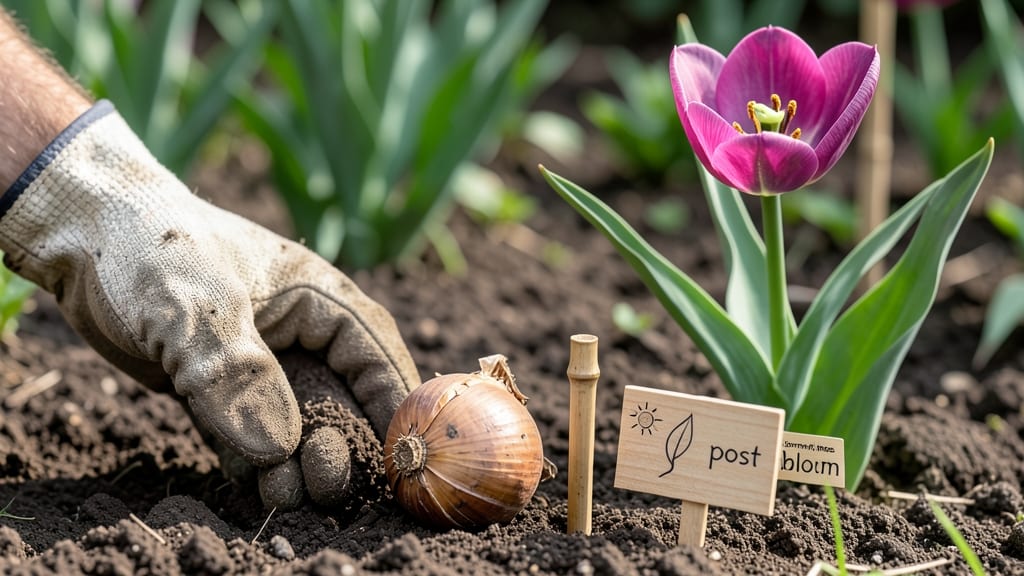
Tulip bulbs don't bloom only once—most varieties flower annually but can rebloom under ideal conditions like proper sunlight, soil nutrition, and bulb care. Reblooming tulips need consistent maintenance and selecting the right species.
Many gardeners assume tulips are one-and-done bloomers, but the truth is far more interesting. 🌸 The reason most tulips bloom just once per season comes down to energy conservation—the bulb prioritizes storing nutrients for next year's growth over producing another flower.
However, certain varieties like Darwin Hybrids and Fringed tulips have evolved to rebloom when given the right conditions, including 6+ hours of sunlight daily and well-draining soil rich in organic matter.
To encourage reblooming, I focus on three key factors: fertilizing after flowering (not before), pruning spent blooms to redirect energy, and planting in full sun locations.
The science behind this is fascinating—bulbs that receive adequate light and nutrients can rebuild their reserves faster, allowing them to push out new flowers. Just remember: patience is key, as it often takes 2-3 years of proper care before you see reliable reblooming.
💡 In This Article
- Why Most Tulips Bloom Once and How Reblooming Works
- How to Encourage Tulip Bulbs to Rebloom Year After Year
Why most tulips bloom once and how reblooming works
The core reason most tulip varieties bloom just once per season lies in their natural energy conservation strategy. When a tulip flower emerges, the bulb diverts nearly all its stored nutrients and sugars toward producing that single, spectacular bloom.
This process depletes the bulb's reserves to a point where it prioritizes rebuilding its energy stores for next year's growth rather than producing another flower. Think of it like a marathon runner who exhausts their glycogen stores—recovery takes time before they can perform again.
The science behind reblooming involves photosynthesis and nutrient cycling. Tulips that rebloom, like Darwin Hybrid varieties, have evolved to efficiently convert sunlight into energy through their leaves. These varieties continue photosynthesis after flowering, storing extra carbohydrates in their bulbs.
For example, a healthy Darwin Hybrid bulb can store up to 30% more starch reserves than single-blooming types when given 6-8 hours of direct sunlight daily. Soil health plays a critical role too—bulbs in nutrient-rich, well-draining soil can rebuild reserves faster, often within 8-12 weeks after flowering.
Daylight exposure is the most critical factor in reblooming success. Tulips are photoperiod-sensitive, meaning they respond to daylight length. Varieties like Fringed tulips thrive in regions with 14+ hours of daylight during their growing season, which triggers their reblooming mechanism.
The longer the daylight period, the more energy the plant can capture and store. In contrast, shorter daylight hours (common in northern climates) often result in single blooming because the bulb doesn't get enough time to rebuild reserves before winter dormancy.
Another key mechanism is the bulb's dormancy cycle. After flowering, the bulb enters a semi-dormant state where it focuses on root and leaf growth rather than flower production.
During this phase, the bulb's energy goes into developing a stronger root system and larger leaves—both of which are essential for capturing sunlight and nutrients.
For reblooming to occur, the bulb must complete this cycle without stress from factors like overwatering, poor soil, or disease, which can divert energy away from reserve building.
Consider this comparison: A single-blooming Parrot tulip might produce one stunning flower but then focus all its energy on bulb expansion. In contrast, a reblooming Darwin Hybrid will produce a smaller first bloom but continue growing leaves that photosynthesize, creating the energy for a second, though slightly smaller, bloom.
The trade-off is a less dramatic first display but a longer flowering season overall.
What most gardeners don't realize is that reblooming tulips often produce their second bloom 4-6 weeks later than the first, typically in late spring or early summer. This delayed bloom is smaller but equally beautiful, proving that the bulb's energy strategy pays off when conditions are right.
The key takeaway? Reblooming isn't about forcing the bulb to do more—it's about creating the right conditions for it to do what it already knows how to do naturally.