
Blooming
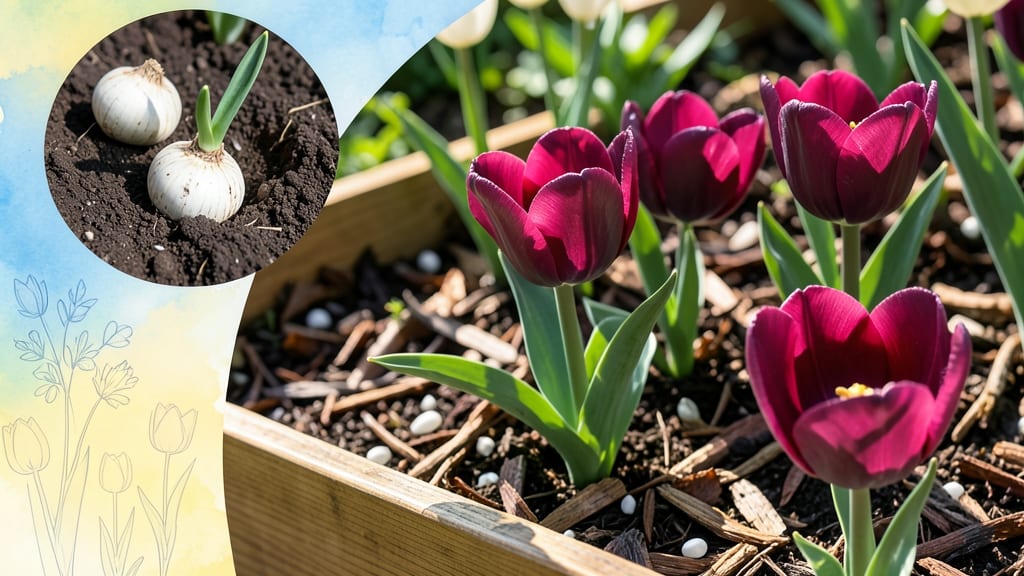
Tulips do not bloom all summer; most varieties flower in spring for just 1-2 weeks, though late-blooming types like Darwin hybrids or species tulips may extend blooms into early summer. Proper care and variety selection can maximize seasonal display.
Tulips are seasonal powerhouses, but their blooming windows are surprisingly short. Most garden favorites burst into color for just 1-2 weeks in spring, with peak performance tied to daylight length and temperature shifts.
The exception? Darwin hybrids and species tulips like Fosteriana often linger into early summer, giving you a 3-4 week extension. 🌸 What's fascinating is how these plants "time" their blooms—tulip bulbs need a period of cold dormancy followed by warming days to trigger flowering, which is why summer blooms are rare unless you're in a mild climate zone.
For gardeners wanting longer color displays, strategic planting is key. Try layering bulbs with staggered bloom times—plant early varieties like Greigii tulips alongside late bloomers like Parrot tulips to create a cascading effect.
Deadheading spent blooms (removing faded flowers) can sometimes encourage a second, smaller flush of blooms later in the season, though this varies by variety. The secret weapon? Well-draining soil rich in organic matter—this helps bulbs store energy for future growth cycles.
💡 In This Article
- Tulip Blooming Seasons by Variety
- How to Extend Tulip Blooms in Your Garden
Tulip blooming seasons by variety
Tulip blooming cycles are governed by photoperiodism—the plant's response to daylight length. Most common tulips (like Dutch Master or Apeldoorn varieties) bloom in early to mid-spring when days lengthen to 12-14 hours of light. This triggers the bulb to break dormancy and produce flowers over 1-2 weeks.
The exception lies in species tulips like Fosteriana, which bloom earlier (late winter to early spring) due to their shorter dormancy requirements. 🌱 These varieties often produce larger, more robust blooms that last slightly longer.
Late-blooming hybrids, such as Darwin tulips or Parrot tulips, push the envelope further. Darwin hybrids, for example, bloom 2-3 weeks later than early varieties because they require more accumulated heat (around 1,500 growing degree days) to trigger flowering.
Parrot tulips, known for their vibrant, ruffled petals, often bloom in late spring to early summer, extending the season by 3-4 weeks compared to classic tulips. Climate plays a role too—warmer regions may see these late bloomers appear earlier, while colder zones might delay their appearance.
The science behind this involves a hormone called florigen, which signals the bulb to produce flowers when daylight conditions are met. Early varieties produce florigen faster due to their genetic makeup, while late bloomers require more daylight exposure.
This is why tulips planted in USDA Zones 3-7 typically bloom in waves: cooler zones see staggered blooms over 4-6 weeks, while warmer zones may compress this into 2-3 weeks. The key takeaway? Variety selection is everything if you want summer color.
For gardeners in mild climates (like Zone 8 or higher), some tulips may even rebloom in fall or winter, though this is rare and depends on the bulb's energy reserves. Species tulips like Kaufmanniana or Greigii are the most adaptable, often producing smaller but longer-lasting blooms.
These varieties can also naturalize—meaning they multiply and return year after year—giving you a more reliable display over time. The trade-off? They’re less showy than hybrid tulips but far more resilient.
Daylight isn’t the only factor—temperature matters too. Tulips need a period of vernalization (cold exposure) to break dormancy, followed by warmth to trigger blooming. In regions with unpredictable springs, this can cause blooms to shift by 1-2 weeks from year to year.
For example, a late frost might delay blooming, while an early heatwave could advance it. This variability is why gardeners in Zone 5 or colder often see tulips bloom earlier than those in Zone 6 or warmer, even with the same variety.