
Blooming
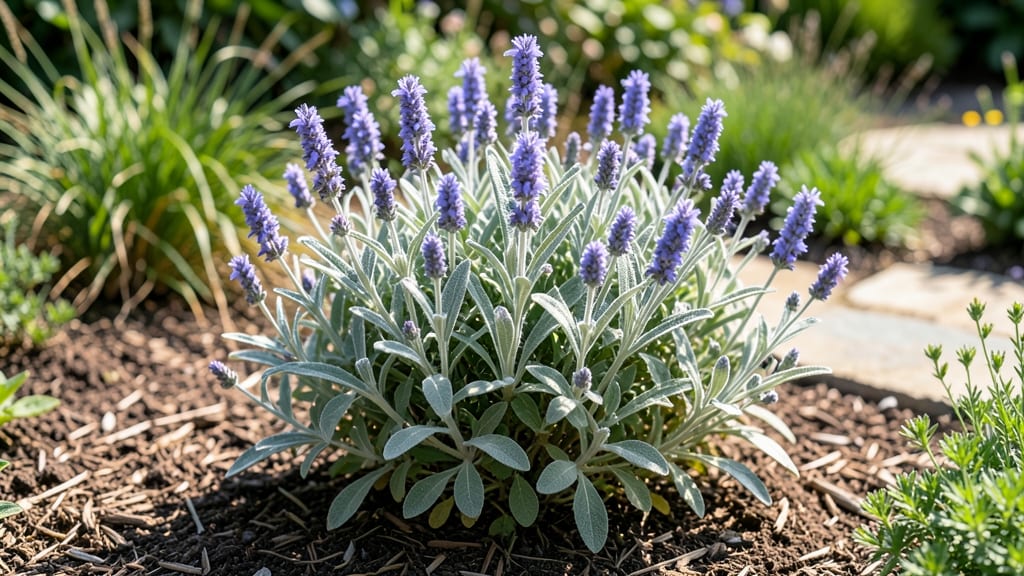
Catmint does bloom all summer under the right conditions, producing vibrant flowers from early summer until frost if you regularly remove spent blooms and ensure it has well-draining soil. Consistent care—like proper sunlight and watering—keeps reblooming strong.
This hardy perennial thrives because it’s built for longevity—its natural growth habit encourages continuous blooming when you prevent seed formation. 🌿 Deadheading (snipping off faded flowers) redirects the plant’s energy toward producing new buds instead of seeds, which is why many gardeners swear by it.
The key is acting quickly: once those purple-blue spikes start wilting, trim them back to just above a set of leaves to encourage fresh growth.
Not all catmint varieties perform equally, though. Some, like 'Walker’s Low', are bred specifically for their long bloom cycles and drought tolerance, while others may need more frequent pruning. Sunlight is non-negotiable too—these plants demand at least 6-8 hours of full sun daily to keep flowering strong.
Even with perfect conditions, a sudden drought or waterlogged soil can stall blooms, so consistency matters more than you might think.
💡 In This Article
- How Deadheading Extends Catmint’s Summer Bloom Cycle
- Best Catmint Varieties for Nonstop Summer Blooms
How deadheading extends catmint’s summer bloom cycle
Deadheading catmint isn’t just about aesthetics—it’s a biological hack that tricks the plant into producing more flowers.
When you remove spent blooms, you’re preventing the plant from shifting its energy toward seed production, which is catmint’s natural next step. 🌸 This process redirects nutrients and sugars stored in the leaves back into new flower buds, effectively restarting the bloom cycle.
Without deadheading, a single flower spike might produce dozens of seeds, draining the plant’s resources and shortening its flowering season.
The timing of deadheading matters just as much as doing it. Aim to trim back faded flowers within 24-48 hours of wilting—the longer you wait, the more energy the plant has already invested in seed development.
Use clean, sharp pruners to cut back to just above a set of healthy leaves (about 1/3 of the stem length), which encourages bushier growth and more flower stems.
This method works because catmint’s growth points are located at the leaf nodes, so pruning stimulates new shoots to form at those locations.
What most gardeners don’t realize is how deadheading affects the plant’s overall health.
Regular pruning encourages better air circulation around the foliage, reducing the risk of fungal diseases like powdery mildew that thrive in dense, humid conditions. 🌿 The plant’s root system also benefits because it’s not expending energy on seed production, allowing it to grow stronger and more resilient.
This dual benefit—longer blooms and healthier growth—is why catmint remains a favorite among low-maintenance perennials.
For maximum impact, combine deadheading with a light feeding of balanced fertilizer (10-10-10) after each pruning session. This gives the plant the extra nutrients it needs to recover quickly and produce fresh blooms.
The fertilizer acts like a quick energy boost, similar to how athletes refuel after a workout. Without this support, even the most diligent deadheading might result in slower regrowth and fewer flowers.
Consider the environmental conditions too. Catmint grows best in USDA hardiness zones 3-8, where it naturally extends its bloom season. In hotter climates (zones 9-10), deadheading becomes even more critical because the plant’s natural dormancy period is shorter.
The key is to stay proactive—consistent deadheading turns catmint into a summer-long showstopper rather than a one-time seasonal display.