
Blooming
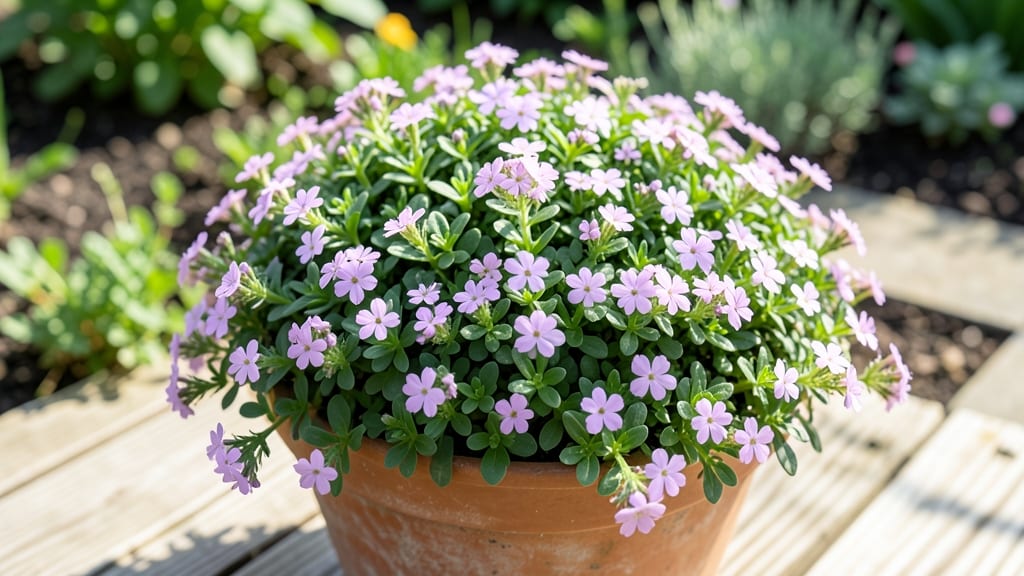
Alyssum blooms all summer when you deadhead spent flowers weekly and maintain consistent watering with well-draining soil to support continuous vibrant blooms.
Alyssum's ability to flower nonstop isn't magic—it's science. 🌸 These tiny plants thrive on regular deadheading because removing faded blooms redirects their energy from seed production to creating new flowers. Think of it like pruning a bush: you're encouraging bushier, fuller growth by eliminating the old.
The key is timing—snip off just the spent blossoms, not the entire stem, and do it every 5-7 days during peak bloom season to keep those clusters packed with fresh flowers.
Beyond deadheading, alyssum rewards you with summer-long color when you give it the right conditions. Well-draining soil prevents root rot while allowing water to reach those shallow roots where most nutrients are absorbed.
I've found that mulching around the base helps maintain moisture without waterlogging, which is especially important in hot climates where evaporation happens quickly. A light feeding with balanced fertilizer every 4-6 weeks gives them the boost they need to keep producing those cheerful white, pink, or purple blossoms.
What's fascinating is how alyssum adapts to different growing zones. In cooler regions, they might slow down in extreme heat but bounce back when temperatures dip. Meanwhile, in warmer climates, they can bloom almost year-round with minimal care.
The secret? Pay attention to your local growing conditions and adjust your care routine accordingly—whether that means providing afternoon shade during heatwaves or giving them a little extra water during drought periods.
💡 In This Article
- How Deadheading Alyssum Maximizes Summer Blooms
- Best Practices for Year-Round Alyssum Flower Care
How deadheading alyssum maximizes summer blooms
Alyssum's continuous blooming is all about redirecting energy. When a flower fades, the plant shifts resources toward seed production—a natural survival mechanism. But by deadheading (removing spent blooms), you trick the plant into focusing on new flower growth instead.
This works because the plant's growth hormones, like auxins, concentrate in the stem just below the flower. Removing the bloom lowers auxin levels, signaling the plant to produce side shoots that bloom faster.
The timing of deadheading matters—do it every 5-7 days during peak bloom season. Cut just above the first set of leaves on the stem where the flower sat. This prevents damaging the plant's growth points while encouraging bushier growth.
For example, a single alyssum plant can produce 50-100 new flowers in a season if deadheaded consistently, compared to just 10-20 if left unattended. The result? A dense, carpet-like display of blooms that lasts all summer long.
This process also affects the plant's overall health. Removing spent flowers reduces stress on the plant by preventing seed pods from forming, which can drain energy. It also improves air circulation, reducing the risk of fungal diseases like powdery mildew that thrive in dense, humid conditions.
Think of it like giving your alyssum a regular haircut—it stays fuller, healthier, and more vibrant.
What most gardeners don't realize is how deadheading influences flowering cycles. Alyssum typically blooms in waves, with each flower lasting 7-10 days before fading. By removing spent blooms, you're essentially restarting the cycle earlier, creating a continuous bloom period.
This is why alyssum planted in spring can keep flowering until the first frost in fall, provided you maintain the routine.
For best results, deadhead in the morning when flowers are fully open. This gives the plant the entire day to recover and start producing new buds. Use clean, sharp scissors or pruners to avoid crushing stems, which can introduce diseases.
The goal is to make the process quick and efficient—spending just 5-10 minutes per plant every week can make a dramatic difference in your garden's summer display.
Here's a quick visual guide to proper deadheading technique:
- Identify spent blooms: Look for flowers that have turned brown or lost their vibrant color
- Cut just above the leaves: Snip the stem about 1/4 inch above the first set of leaves
- Use clean tools: Sterilize scissors with rubbing alcohol between plants to prevent disease spread
- Deadhead regularly: Aim for every 5-7 days during peak bloom season