
Blooming
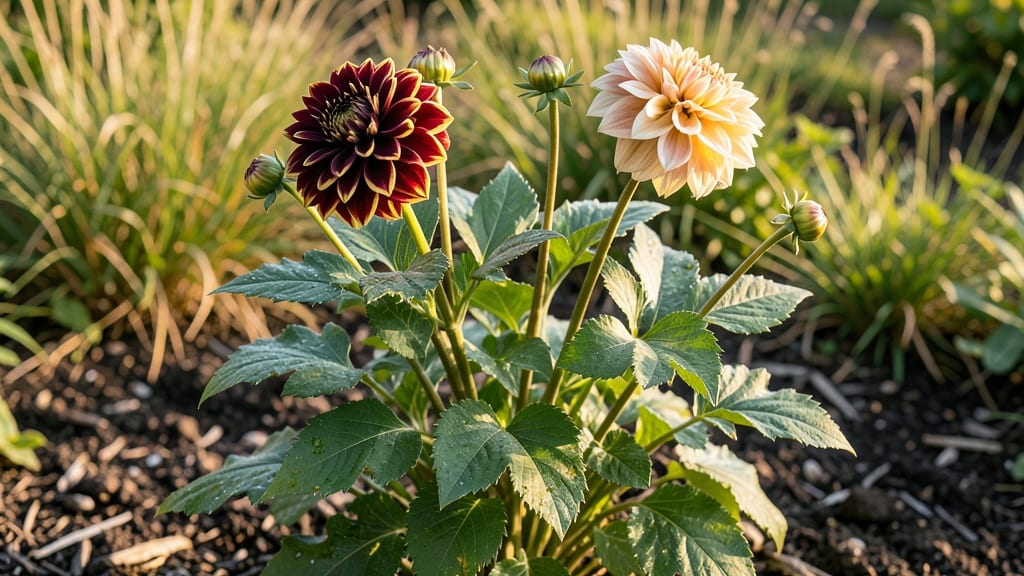
Dahlias can bloom all summer long under ideal growing conditions, producing continuous flowers from early summer until the first frost hits. Their flowering duration varies by variety, with some types producing vibrant blooms for months, while others may slow down as temperatures drop.
Not all dahlias are created equal when it comes to summer-long blooming. 🌸 Some varieties, like dinnerplate dahlias, are known for their long flowering seasons, often producing blooms from late June through October if given proper care.
The key factors here are consistent deadheading (removing spent blooms), balanced fertilization, and adequate sunlight—typically 6-8 hours daily.
I’ve found that varieties like 'Café au Lait' and 'Bishop' are particularly reliable for extended blooming periods, while others may need extra attention to maintain their vigor as summer transitions to fall.
What many gardeners don’t realize is that late-season blooms often depend on the plant’s energy reserves. 🌿 If temperatures drop below 50°F at night, dahlias may conserve energy by slowing down flower production.
This is why I always recommend protecting tender varieties with frost cloth or bringing potted plants indoors before the first frost. The right care can turn a "maybe" summer bloom into a full-season show!
💡 In This Article
- Dahlia Flowering Seasons by Variety Type
- Extending Dahlia Blooms: Proven Gardening Tips
Dahlia flowering seasons by variety type
Dahlias exhibit dramatic differences in bloom timing based on their genetic classification and growth habits. 🌸 Dinnerplate varieties, known for their massive, show-stopping flowers, typically begin blooming in mid-to-late summer (around July) and continue through October if conditions are ideal.
Their late start is due to their focus on building strong tuberous roots before flowering. In contrast, cactus dahlias often bloom earlier—starting in June—because their spiky petals require less energy to develop compared to the dense foliage of dinnerplates.
The bloom duration also varies by type. Pompon dahlias, with their tightly packed petals, produce flowers in 3-4 week bursts throughout the season, while anemone varieties (like 'Karma Choc') tend to bloom continuously from July to frost due to their unique center-to-outward growth pattern.
This is because anemone-type dahlias have a more compact flower head that doesn't require as much energy to regenerate after each bloom cycle. 🌿 The key difference lies in their genetic programming: some varieties prioritize root development first, while others focus on rapid flower regeneration.
Climate plays a critical role in these patterns. In USDA Zone 8 or warmer, dahlias can bloom nearly year-round with minimal care, but in cooler regions (like Zone 5), they typically start blooming in late June and may slow by September as nights grow chilly.
The 10-14 hour daylight requirement for peak flowering explains why late-season blooms often diminish—shorter days trigger the plant's natural dormancy cycle. This is why gardeners in northern climates often use grow lights to extend the blooming season.
What's fascinating is how some varieties compensate for late starts. Decorative dahlias, for example, often bloom in July but produce smaller, more frequent flowers that continue until frost.
Their secret lies in their ability to generate multiple buds simultaneously, unlike dinnerplates that focus energy on one large bloom at a time. This makes decorative types ideal for cut flower arrangements that need consistent harvests.
Temperature thresholds also create visible differences. Dahlias generally need daytime temps above 70°F to initiate blooming, but varieties like 'Galaxy' can tolerate slightly cooler conditions (65°F) due to their cold-hardy genetics.
This explains why some gardeners in Zone 6 report longer blooming seasons with these varieties—even if they're not as prolific as tropical types.
One common misconception is that all dahlias bloom simultaneously. In reality, most varieties follow a staggered pattern where new buds form at the base of the plant while older flowers bloom at the top.
This continuous flush of blooms is why dahlias are prized for their 3-4 month flowering windows—far longer than most annuals. 🌺 The exception? Some tuberous varieties that store energy underground and may produce a single late-season bloom before dormancy.