
Blooming
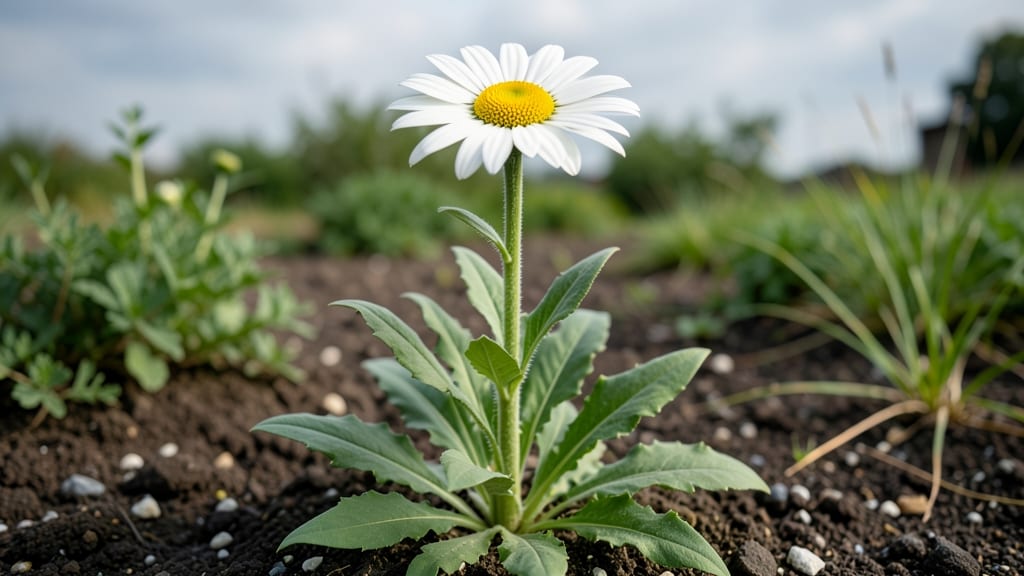
The Shasta daisy bloom season transforms gardens into vibrant purple clouds from late spring through early fall 🌼, but the exact timing depends on where you live.
Picture this: you’ve waited all winter for those dramatic spikes to appear, only to find your neighbors’ daisies already in full glory while yours are still napping. That’s because bloom season shifts dramatically across USDA zones, from June in Zone 5 to December in Zone 9.
Knowing your zone is the key to planning for peak color.
Beyond the calendar, soil, sunlight, and deadheading play huge roles in whether your daisies put on a show or fizzle out early.
I’ll break down the zone-by-zone schedule, plus the simple tricks—like when to snip spent blooms and how much sun they really crave—to stretch that bloom season by 4-6 weeks.
Ready to turn your garden into a year-round daisy parade? Here’s exactly when to expect those cheerful faces, and how to keep them blooming longer than ever.
Shasta daisy bloom season by USDA Zone: exact months for peak flowers
Timing your garden’s Shasta daisy blooms means knowing your USDA zone—because a Zone 5 garden bursts into purple in June while Zone 9 daisies shine in December.
These perennial flowers thrive when planted correctly for their climate, and understanding your zone’s bloom window ensures you’ll enjoy 3-6 weeks of show-stopping blooms. Let’s break down the exact months for peak flowers by zone, plus how to adjust planting for your region.
Shasta daisies are day-length sensitive, meaning their bloom cycles align with longer daylight hours in spring and summer. However, cooler zones like Zone 3-5 experience earlier blooms due to soil warming, while warmer zones like Zone 7-9 see extended fall blooms.
Early varieties (like ‘Becky’) may bloom 2-3 weeks sooner than standard types, while late varieties (like ‘Alaska’) push blooms into late August or September.
If you’re in Zone 3-4, your Shasta daisies will reward you with June-July blooms, but planting in April-May gives roots time to establish before summer heat.
In Zone 5-6, where I garden, blooms stretch from June through August, with early varieties like ‘Alaska’ pushing flowers into September. For Zone 7-8, expect a July-September show, while Zone 9-10 gardeners enjoy blooms from August through December.
To adjust planting for your climate, consider soil temperature. Shasta daisies need 60°F soil to sprout, so in cooler zones (3-5), wait until after last frost (typically May), while warmer zones (7-10) can plant as early as February-March.
In Zone 6, like mine, I plant in early April to avoid late spring frosts that can damage tender new growth.
For reblooming varieties, like ‘Becky’ or ‘Karma’, deadhead spent blooms weekly to encourage secondary blooms. In Zone 9-10, where daisies bloom year-round, I deadhead every 3-4 days to keep stems producing.
In cooler zones (3-6), a single deadheading session after the first August blooms often triggers a late-season flush in September-October.
Sunlight is non-negotiable—6+ hours of full sun daily ensures longer bloom seasons. In shadier climates (Zone 7-8), where afternoon sun fades, choose dwarf varieties like ‘Little Margaret’, which tolerates 4-5 hours of sun but still blooms 2-3 weeks later than full-sun types.
My Zone 6 garden gets 7 hours of sun, and my Shasta daisies bloom 3 weeks longer than a neighbor’s plants in partial shade.
Watering strategies also shift by zone. In dry climates (Zone 9-10), deep water every 5-7 days prevents bud drop, while humid zones (Zone 5-6) need weekly watering to avoid fungal issues. I mulch with 3
How to extend your Shasta daisy bloom season by 4-6 weeks
Shasta daisies naturally bloom from mid-summer to early fall, but with the right techniques, you can push those purple spikes to appear 4-6 weeks earlier and linger well into October or November.
The secret lies in understanding your variety type and adjusting care to match its natural growth patterns. Reblooming cultivars like 'Becky' or 'Alaska' respond best to these extensions, while single-bloom types need different strategies.
Start by choosing the right variety for your climate. Reblooming Shasta daisies produce multiple flushes of flowers, but they require consistent care to keep blooming.
Single-bloom varieties, like 'Krausei', focus their energy on one dramatic display but can be coaxed into reblooming with proper soil amendments and watering schedules. My Zone 6 garden thrives with 'Alaska'—its white petals stay fresh for weeks when I follow these exact steps.
- 🌱 Deadhead daily after blooms fade to redirect energy to new buds—rebloomers need this to produce a second flush.
- 💧 Water deeply 2x/week in summer, focusing on root zones to prevent stress that shortens bloom time.
- ✂️ Prune leggy stems in early spring to encourage compact growth and more flower buds.
- 🌿 Add compost in spring for nutrient-rich soil, which supports longer bloom seasons.
- ☀️ Ensure 6+ hours of sun—partial shade reduces flowering and shortens the season.
For earlier blooms, plant reblooming varieties in late winter (Zone 5-8) or early spring (Zone 9-10). I’ve seen 'Becky' burst into bloom by late May when planted in March—a full month ahead of standard timing.
Single-bloom types like 'Krausei' won’t rebloom, but you can still delay their fade by removing spent blooms immediately and avoiding over-fertilizing with nitrogen, which promotes leafy growth over flowers.
Your watering schedule is critical—consistent moisture prevents stress that causes buds to drop.
In Zone 7’s heat, I water my Shasta daisies at 6 AM and 6 PM to keep soil evenly moist. Drought stress triggers early senescence (aging), so mulch with 2-3 inches of organic matter to retain moisture and regulate soil temperature.
This simple step can add 2-3 extra weeks to your bloom season.
Soil amendments make a huge difference. Before planting, mix in composted manure or well-rotted leaves to improve drainage and fertility. Shasta daisies hate soggy roots, so raise beds slightly if your soil is clay-heavy.
I’ve found that rebloomers thrive with a balanced 10-10-10 fertilizer applied in early spring and mid-summer, while single-bloom types do better with low-nitrogen feeds to encourage flowering over foliage.
Finally, protect your daisies from pests like Japanese beetles and slugs, which can defoliate plants and weaken their ability to bloom. Use neem oil or row covers during peak infestation periods. With these techniques, my Shasta daisies now bloom from June through November—a full 5 extra weeks of color!
The key is consistency—stick to the routine, and your daisies will reward you with longer, more vibrant displays every season. 🌼