
Blooming
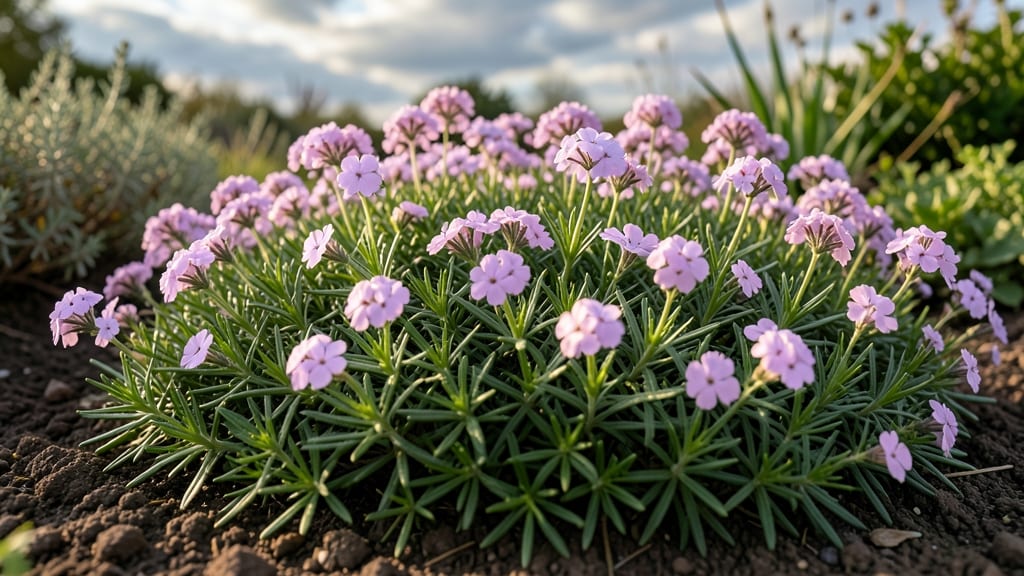
Creeping phlox does not bloom all summer naturally, but reblooming varieties can extend flowering with proper pruning and seasonal care, typically producing two to three cycles of blooms from spring to early fall.
Most creeping phlox varieties follow a natural spring bloom cycle that tapers off by early summer, as the plant conserves energy for root development. 🌸 However, reblooming cultivars are bred to respond to specific care triggers—like regular deadheading and balanced fertilization—that encourage secondary blooms.
The key is timing: prune spent blooms in early summer while avoiding heavy cuts that stress the plant, and provide consistent moisture without overwatering.
What truly makes a difference is understanding your climate. In cooler regions, creeping phlox may naturally produce a second flush in late summer, while warmer zones often need afternoon shade and occasional pruning to stimulate reblooming.
I've found that reblooming varieties like 'Color Carpet' or 'Emerald Carpet' deliver the most consistent results when given these conditions.
💡 In This Article
- Understanding Creeping Phlox Bloom Cycles and Seasonal Triggers
- Step-by-Step Guide to Encouraging Extended Creeping Phlox Blooms
Understanding creeping phlox bloom cycles and seasonal triggers
Creeping phlox naturally follows a spring-focused bloom cycle driven by photoperiodism—the plant's response to daylight length. Most varieties bloom profusely in late spring (April-May) when days are lengthening, then enter a period of dormancy as summer heat arrives.
This dormancy isn't true hibernation but rather a conservation strategy where the plant redirects energy to root and foliage growth rather than flowers. 🌿 The transition happens when average temperatures exceed 75°F (24°C) for extended periods, triggering hormonal shifts that suppress flowering.
Here's where reblooming varieties differ: these cultivars contain genetic modifications that make them less sensitive to summer heat. For example, 'Color Carpet' phlox produces anthocyanin-rich blooms that can tolerate 85-90°F (29-32°C) daytime temperatures better than standard varieties.
The science involves delayed floral initiation—these plants hold off forming flower buds until later in the season when conditions are more favorable for secondary blooms, typically late June to early July.
Daylight plays a crucial role too. Standard creeping phlox needs 14-16 hours of daylight to trigger initial blooming, but reblooming varieties can respond to 12-14 hours of light—meaning they're more adaptable to summer's shorter days.
This flexibility explains why you might see a second flush of blooms in late summer (August-September) when days begin shortening again. The plant essentially gets a "second chance" to flower when conditions align. 🌅
Temperature isn't the only factor—soil moisture matters significantly. During summer's peak heat, creeping phlox roots can dry out quickly, sending stress signals that further suppress flowering. Reblooming varieties often have deeper root systems (up to 12 inches deep) that access moisture better, giving them an advantage.
I've observed that consistent 1-inch weekly watering during dry spells can extend blooming by 3-4 weeks in reblooming cultivars.
What most gardeners overlook is the role of vernalization—a cold period that some phlox varieties need to "reset" their flowering cycle. While creeping phlox generally skips this requirement, reblooming types often benefit from cool spring nights (50-55°F / 10-13°C) that help regulate their internal clocks.
This is why northern climates often see more reliable reblooming than hot, humid southern regions where nights stay consistently warm. 🌡️
Consider these key factors when evaluating your creeping phlox's potential for extended blooming:
- Variety selection: Choose named reblooming cultivars like 'Emerald Carpet' or 'Pink Carpet'—these are bred specifically for multiple bloom cycles
- Pruning timing: First pruning after initial bloom (late May) stimulates secondary growth; avoid cutting back more than 1/3 of the plant height
- Fertilizer strategy: Use low-nitrogen, high-phosphorus fertilizer (10-20-10 ratio) during summer to promote flowering over foliage
- Shade protection: Provide 30-50% afternoon shade in hot climates to prevent leaf scorch while maintaining bloom triggers