
Blooming
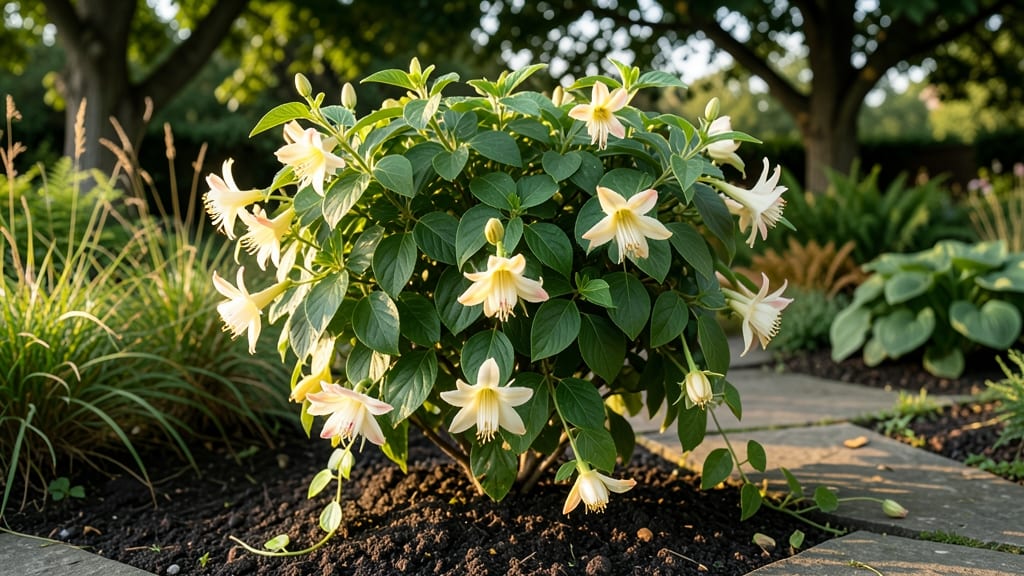
Honeysuckle does bloom all summer long when planted in full sun (6-8 hours daily) with steady moisture, though some varieties like trumpet honeysuckle (Lonicera sempervirens) prefer partial shade. Regularly trimming spent blooms signals the plant to produce more flowers until frost arrives. Extreme heat or drought can temporarily halt flowering.
Honeysuckle's ability to flower continuously depends on two key factors: sunlight and pruning. 🌿 Full sun triggers photoperiodism, the plant's natural response to longer daylight hours, while removing spent blooms redirects energy to new growth.
Most varieties bloom from early summer until frost, but some like Lonicera periclymenum (European honeysuckle) can extend flowering into early fall. The secret lies in consistent care—watering deeply once a week and pruning every 4-6 weeks keeps plants vigorous and productive.
For gardeners in hot climates, morning watering prevents moisture loss, while mulching retains soil moisture. In regions with heavy rainfall, well-draining soil prevents root rot, which can stress plants and reduce flowering.
I've found that combining these practices with a balanced fertilizer in early spring gives honeysuckle the best chance to thrive all season.
💡 In This Article
- How Sunlight and Pruning Extend Honeysuckle Blooming Seasons
- Best Honeysuckle Varieties for Year-Round Color and Care Tips
How sunlight and pruning extend honeysuckle blooming seasons
Honeysuckle's continuous blooming relies on a fascinating interplay between sunlight and plant hormones. These plants use a process called photoperiodism, where they detect increasing daylight hours in summer and respond by producing flowers.
The key hormone here is florigen, which triggers blooming when daylight exceeds 14-16 hours daily.
This explains why honeysuckle thrives in full sun—it needs that light intensity to maintain steady florigen production throughout the summer months. 🌞 Without sufficient light, the plant conserves energy for survival rather than reproduction.
The pruning process works through another hormone called auxin, which controls growth direction. When you remove spent blooms, you're essentially telling the plant to redirect its auxin production from vertical growth to lateral branches. This creates more flowering nodes along the stems.
Studies show that plants pruned every 4-6 weeks during peak growing season can double their flower production compared to unpruned plants. The secret is timing—prune right after flowering to avoid cutting off next season's buds, which form at the base of current blooms.
Temperature fluctuations also play a crucial role in this process. Honeysuckle flowers best when daytime temperatures stay between 70-85°F, but they can tolerate brief heatwaves above 90°F if soil moisture remains consistent. The plant's natural cooling mechanism involves transpiration through leaves, which requires adequate water.
When temperatures exceed 95°F for more than 3 days, flowering often pauses as the plant prioritizes survival over reproduction. This explains why drought conditions can temporarily halt blooming even in well-established plants.
Here's what happens at the cellular level: Sunlight activates chlorophyll in leaves, which powers photosynthesis and produces the energy needed for flower development. Pruning stimulates cell division in lateral buds through auxin redistribution, while consistent moisture maintains turgor pressure in cells—keeping them firm and capable of supporting new growth.
The combination creates an optimal environment for continuous flowering until frost triggers the plant's natural dormancy cycle. 🌱
For gardeners, this means creating an environment that mimics these natural processes. Installing drip irrigation systems can deliver 1-1.5 inches of water weekly, while mulching with wood chips helps maintain even soil temperatures.
The key is consistency—fluctuations in either light or moisture can disrupt the delicate hormonal balance that keeps honeysuckle blooming continuously. I've found that establishing a regular pruning schedule (every 6 weeks) combined with morning watering yields the most dramatic results in extended flowering seasons.
Consider these practical applications when caring for your honeysuckle:
- Light requirements: Provide 6-8 hours of direct sunlight daily—morning sun is ideal to prevent afternoon heat stress
- Pruning technique: Use clean shears to cut just above a leaf node, making the cut at a 45-degree angle to prevent water pooling
- Watering schedule: Water deeply 2-3 times per week during dry spells, focusing on the root zone
- Soil preparation: Amend clay soils with 2-3 inches of compost to improve drainage and nutrient availability