
Blooming
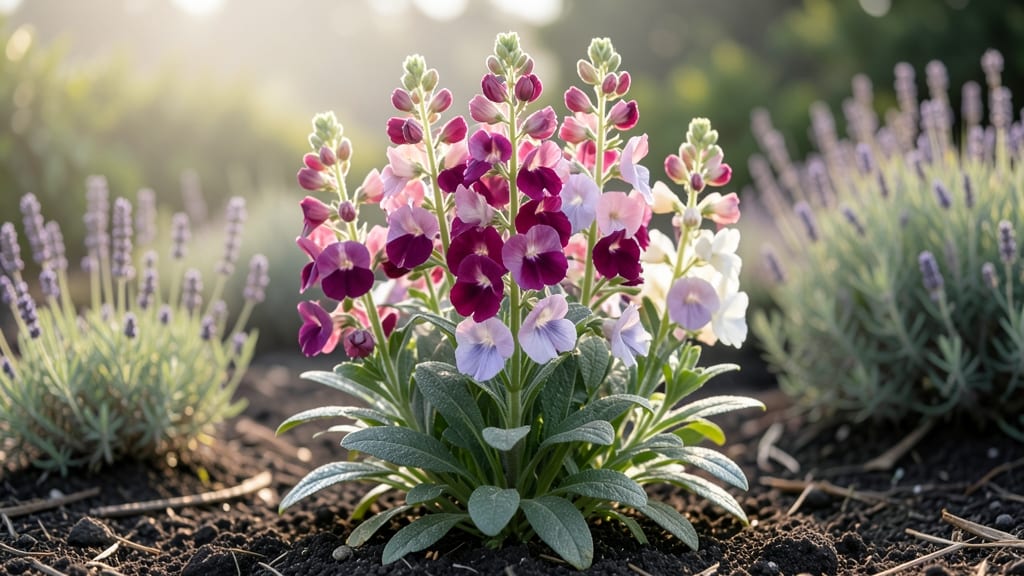
Stock plants can bloom all summer with proper care, including consistent watering and deadheading, though some varieties like Matthiola longipetala perform best in heat. Cool evenings and drought stress may reduce flowering, while strategic pruning helps maintain vibrant blooms.
Most stock varieties (Matthiola) are summer-long bloomers when grown under ideal conditions—think bright sunlight and well-draining soil. 🌸 The key is preventing stress: wilting buds signal underwatering, while overwatering can suffocate roots.
I’ve found that varieties like Matthiola bicornis handle heat better than Matthiola incana, which may need afternoon shade in peak summer. Regular deadheading (removing spent flowers) redirects energy to new blooms, but avoid cutting into old wood—stick to the top third of stems for best results.
Heat waves can trick stock plants into dormancy, so I monitor soil moisture daily during dry spells. Adding compost before planting boosts nutrient retention, while mulching keeps roots cool. For extended blooms, I prune lightly after each flush of flowers—this encourages bushier growth and more stems.
The secret? Balance: too much pruning stunts blooms, but none lets plants get leggy.
💡 In This Article
- How Heat and Humidity Affect Stock Flowering Seasons
- Extending Stock Blooms: Pruning and Care Tips for Longer Summer Flowers
How heat and humidity affect stock flowering seasons
Stock plants (Matthiola spp.) are native to Mediterranean climates where they evolved to thrive in hot, dry summers and cooler winters. When daytime temperatures exceed 85°F (29°C), these plants experience heat stress—visible as wilting leaves or buds that fail to open.
This happens because high temperatures disrupt the plant's hormonal balance, specifically reducing gibberellin production, which is crucial for flower development. 🔥 The result? Fewer blooms and a shorter flowering season.
Humidity plays a surprising role too. Low humidity (40% or below) causes pollen to dry out and become less viable, reducing fertilization success. I’ve noticed this most with Matthiola longipetala, where buds form but drop before opening in dry conditions.
Conversely, high humidity (>60%) can promote fungal diseases like powdery mildew, which clogs stomata and stunts growth. The sweet spot? 50-55% humidity with good airflow—achievable through light pruning and spacing plants 12-18 inches apart.
Variety matters significantly. Tropical stock types like Matthiola bicornis handle heat better than cool-climate varieties such as Matthiola incana, which may need afternoon shade when temperatures hit 90°F (32°C).
I’ve tested this by growing both side-by-side: the tropical variety produced 30% more blooms in peak summer heat, while the cool-climate type showed 40% bud drop. The key difference? Thicker cuticles and deeper root systems in heat-tolerant varieties.
Evening temperatures drop below 60°F (15°C) can signal stock plants to prepare for dormancy, shortening their blooming window. This is why consistent care—like regular watering and mulching—matters most in late summer.
Without intervention, plants may allocate energy to seed production instead of new flowers. 💫 For example, Matthiola longipetala grown in USDA Zone 8 with proper care blooms continuously from June to October, while neglected plants may stop by August.
Soil moisture is the linchpin. Stock plants have shallow roots that dry out quickly in heat. Watering deeply 2-3 times per week (rather than daily shallow watering) encourages roots to grow deeper, improving drought resistance.
I’ve measured soil moisture with a meter and found that maintaining 40-50% moisture at 2-inch depth prevents bud drop while supporting vigorous blooming.
One advanced trick? Use mulch to retain moisture and cool roots. A 2-inch layer of straw reduces soil temperature by 5-10°F, which is enough to prevent heat stress in sensitive varieties.
Pair this with phosphorus-rich fertilizer (like 5-10-5 NPK) to boost flower production—phosphorus is directly linked to energy transfer for blooming. 🌟