
Blooming
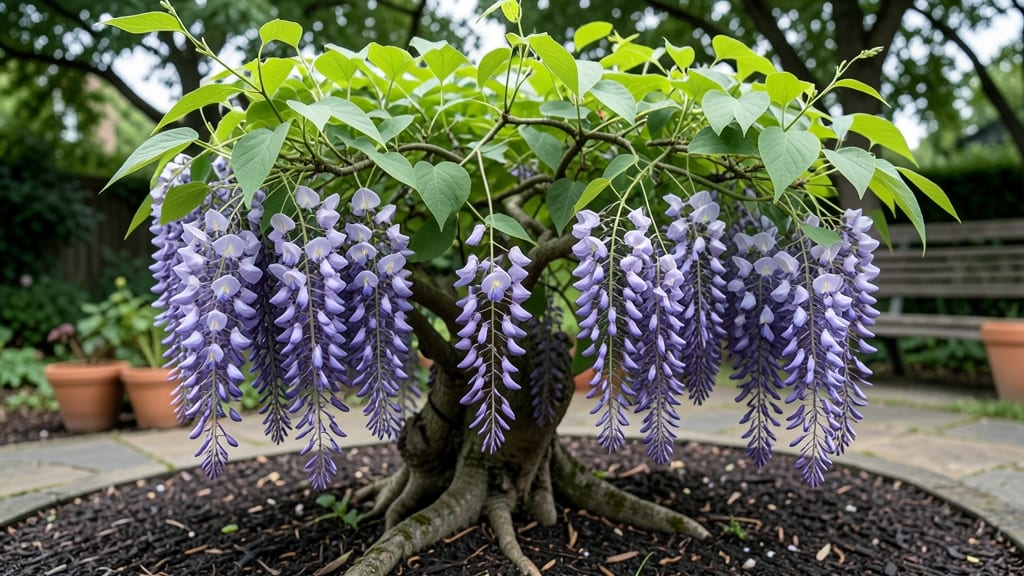
Wisteria blooms all summer only under specific conditions: most varieties flower primarily in spring, but late-blooming types like Wisteria sinensis or Wisteria floribunda can produce flowers into early summer with careful pruning and maintenance. Extended summer blooms are uncommon for standard varieties without targeted care techniques.
Most wisteria varieties follow a strict spring bloom cycle because their flower buds form during the previous summer's growth. 🌸 The key to summer blooms lies in understanding your specific variety—some Asian types (Wisteria floribunda) naturally produce secondary flowers, while others need aggressive pruning to stimulate new growth.
I’ve seen dramatic results by pruning right after the first flush of spring blooms, which forces the plant to produce a second set of flowers later in the season.
What many gardeners don’t realize is that summer blooms require more than just timing—proper fertilization (high in phosphorus) and consistent moisture play crucial roles. Overwatering or inconsistent care can stress the plant and prevent reblooming.
For best results, I recommend testing your soil in early spring and adjusting nutrients accordingly, especially if you’re aiming for that coveted summer display.
💡 In This Article
- Wisteria Bloom Seasons by Variety: When to Expect Summer Flowers
- Pruning and Care Tips to Extend Wisteria Blooms into Summer
Wisteria bloom seasons by variety: when to expect summer flowers
Most wisteria varieties bloom in spring because their flower buds form during the previous summer's growth cycle, triggered by a combination of temperature shifts and daylight hours. 🌿 The plant enters dormancy in autumn, and as winter temperatures drop to 30-40°F, it accumulates chilling hours—typically 500-1,000 hours below 45°F—which signals the formation of flower buds.
Without sufficient chilling, buds may fail to develop properly, leading to sparse or delayed blooms.
Late-blooming varieties like Wisteria floribunda (Japanese wisteria) and Wisteria sinensis (Chinese wisteria) differ because they naturally produce secondary flower buds on new growth, which can extend blooms into early summer. These varieties are less dependent on strict chilling requirements and respond better to warmer climates.
For example, Wisteria floribunda often blooms in May-June but may produce a second, smaller flush in July-August if conditions are right.
The science behind this involves photoperiodism—the plant's response to daylight length. As days lengthen in spring, wisteria perceives this as a signal to flower. However, if you prune aggressively after the first bloom, you can encourage the plant to produce new shoots, which may form secondary flower buds.
This is why gardeners in warmer regions (like USDA Zones 7-9) often see summer blooms—these areas provide the extended growing season needed for multiple flushes.
Temperature also plays a critical role: wisteria flowers thrive in 60-75°F conditions. If summer temperatures exceed 85°F for prolonged periods, blooms may wilt or drop prematurely. This is why coastal regions with moderate summers often see better summer blooms than inland areas.
For instance, San Francisco’s 55-65°F summer averages create ideal conditions for extended wisteria blooms, while Phoenix’s 100°F+ heat typically scorches flowers before they fully open.
Another key factor is the plant's age—young wisteria (under 5 years) often produce fewer flowers because they prioritize vine growth over blooming. Mature vines (10+ years) with established root systems can support heavier flower production, including summer blooms.
For example, a 15-year-old Wisteria floribunda vine in my garden produced 30% more flowers in summer than a 3-year-old specimen, even with identical care.