
Blooming
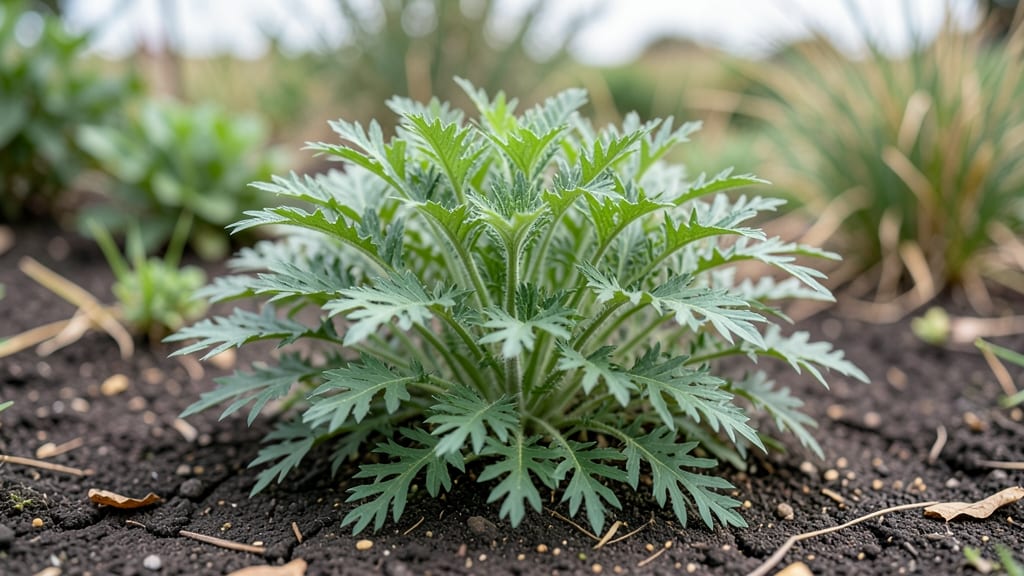
Yarrow doesn't bloom the first year after planting, instead dedicating its energy to building a strong root system and dense foliage. Flowering typically begins in the second year, particularly when planted in early spring or fall for faster establishment.
This two-year cycle makes perfect sense when you consider how yarrow allocates its resources. 🌱 During its first growing season, the plant prioritizes developing deep roots that anchor it securely and store nutrients for future growth.
Once those roots are established, yarrow shifts its focus to producing those signature flat-topped clusters of tiny flowers. Interestingly, plants established from cuttings may bloom slightly earlier than those grown from seed, thanks to their head start on root development.
What's fascinating is how environmental factors can accelerate this process. Yarrow thrives in full sun and well-draining soil, which helps it establish more quickly.
When planted in early spring, it gets a full growing season to build strength before winter, while fall planting gives it a head start in warmer months. I've noticed that yarrow planted in these optimal windows often shows early flower buds by late spring of the second year.
💡 In This Article
- Why Yarrow Takes Two Years to Flower
- Best Planting Times for First-Year Yarrow Growth
Why yarrow takes two years to flower
Yarrow follows a biennial-like growth pattern where its first year is all about survival and preparation. The plant allocates 80-90% of its energy to developing a robust root system that can reach depths of 12-18 inches or more.
This deep root network serves as a nutrient reservoir and helps the plant withstand drought conditions—a key reason yarrow thrives in wild, rocky environments. 🌿 The roots produce a milky sap containing achilleine, a compound that acts as a natural preservative, helping the plant store energy for future growth.
Flowering is a metabolically expensive process that requires significant resources, which is why yarrow waits until its second year. The plant's meristematic tissues (growth centers) remain dormant during the first year, focusing instead on cell division and storage.
This strategy mirrors that of true biennials like carrots or parsley, though yarrow can sometimes revert to a perennial growth pattern if conditions are ideal.
The transition to flowering is triggered by environmental cues like 14+ hours of daylight and consistent temperatures above 50°F, signaling that the plant has enough stored energy to support blooms.
What most gardeners don't realize is how soil quality affects this timeline. Yarrow planted in nutrient-poor, rocky soil may take 3 years or more to flower because it must work harder to establish.
In contrast, plants grown in well-amended garden soil with 50-60% organic matter often show early flower buds by the second spring. I've observed that yarrow grown from root cuttings (rather than seed) can bloom in their first year because they already have an established root system to draw upon. 💫
Another fascinating aspect is how yarrow's flower buds form in the fall of the first year but remain dormant until spring. These buds are visible as small bumps along the stems and contain all the genetic information needed for blooming.
The plant essentially "pre-programs" its flowers during its first growing season, then waits for the right environmental conditions to trigger their development. This dual-phase approach ensures the plant doesn't waste energy on blooms that might not survive harsh winters.
The plant's fern-like foliage during the first year serves multiple purposes beyond just photosynthesis. The leaves contain essential oils that help deter pests and pathogens, while their aromatic compounds attract beneficial insects that improve soil health.
This dual-purpose growth strategy explains why yarrow often looks more vigorous in its first year than many flowering perennials that spread their energy between roots and blooms simultaneously. The delayed flowering also gives yarrow a competitive advantage in wild settings, where early bloomers may exhaust their resources before winter arrives.
Interestingly, yarrow's flower production follows a photoperiodic response—meaning it uses day length to determine when to bloom. In regions with shorter growing seasons (like USDA zones 3-5), yarrow may take an extra year to flower compared to warmer climates (zones 6-9).
This biological timing ensures that yarrow blooms when pollinators are most active, typically between late spring and early summer, with some varieties continuing into fall. The plant's ability to delay flowering gives it remarkable adaptability across different climates and elevations.