
Blooming
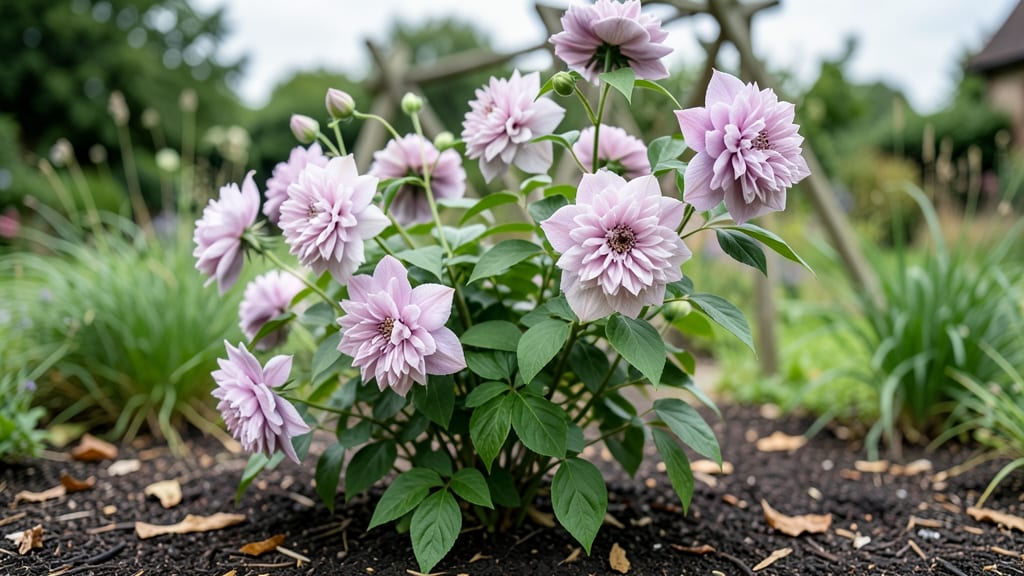
Double-blooming clematis varieties steal the show with their lush, layered petals that keep flowering from spring until frost. 🌸 I’ve grown these showstoppers for years, and the secret to their nonstop blooms isn’t just luck—it’s smart pruning, the right soil mix, and a few pro tricks most gardeners miss.
Unlike single-bloom types, double clematis need strong support (think sturdy trellises or arbors) to hold their heavy flowers upright. They also thrive in well-draining soil with a splash of compost—think rich but not soggy.
Most mistakes happen when gardeners overwater or prune at the wrong time, which I’ll show you how to avoid. With the right care, you’ll see vibrant blooms in waves, not just one big flush.
The first flush arrives in spring, then a second wave in summer, and if you’re lucky, a few late-season surprises. The key is pruning right after the first bloom to encourage that second push. Works for climbers on fences, trellises, or even as a dramatic focal point in borders.
Let’s get those blooms going strong!
📚 In This Guide
- What you need
- Instructions
- Tips and common mistakes
- Wrapping up and next steps
What you need
- ● Double Bloom Clematis Plants: Choose Clematis varieties known for double blooms (e.g., 'Nelly Moser,' 'Jackmanii,' or 'The President'). 1-3 plants per climbing structure (trellis, arbor, or fence).
- ● Well-Draining Soil: Amend garden soil with 2-3 inches of compost or organic matter (e.g., leaf mold or aged manure). Test soil pH (ideal: 6.5–7.5).
- ● Support Structure: A trellis, arbor, or sturdy fence (height: 6–12 feet, width: 3–4 feet). Avoid flimsy stakes.
- ● Mulch: 2–3 inches of organic mulch (e.g., wood chips or straw) to retain moisture and regulate temperature.
- ● Fertilizer: Balanced, slow-release fertilizer (e.g., 10-10-10) or bone meal (for phosphorus) at planting and mid-season.
- ● Watering Can or Hose: With a gentle spray nozzle to avoid damaging blooms.
- ● Garden Trowel or Spade (for planting).
- ● Pruning Shears (sharp, bypass-style, for clean cuts).
- ● Gloves (to protect hands from thorns and soil).
- ○ Stakes or Twine (optional, to train vines initially).
- ○ Soil pH Test Kit (optional but helpful for customizing care).
- ○ Drip Irrigation System (optional, for consistent moisture in dry climates).
- ● Choose a sunny location with at least 6–8 hours of sunlight daily (partial shade in hot climates).
- ● Ensure protection from strong winds (clematis vines are delicate when young).
- ● Plan for year-round care, including seasonal pruning and winter protection in cold zones.
How to grow double-blooming clematis for season-long color
Here’s how to coax your clematis into a nonstop floral show—no fancy tricks, just proven techniques.
🌱 Step 1: Choose the Right Variety and Planting Site
Double-blooming clematis like ‘Nelly Moser’ or ‘Jackmanii’ thrive when planted where they’ll get at least 6 hours of morning sun and afternoon shade—especially in hotter climates. I always plant mine near a trellis or fence where they can climb upward immediately. The roots need cool, moist soil, so avoid planting where afternoon sun bakes the ground.
Dig a hole twice as wide as the root ball but only as deep as the container’s root level. Clematis roots are shallow but sprawling—burying too deep suffocates them. Mix in a handful of bone meal or compost into the bottom of the hole to give roots a phosphorus boost for strong growth.
☀️ Step 2: Prune Correctly for Two Flowering Seasons
Double-bloomers need strategic pruning to keep blooms coming. After the first flush of flowers fades, cut back one-third of the oldest stems to the first pair of healthy buds. This encourages new growth that will produce a second round of blooms. I mark stems with a ribbon before pruning—it’s easy to tell which ones are last year’s growth.
Never prune in fall or winter. Wait until late winter or early spring (just as new shoots emerge) to trim back any dead or weak stems. Use sharp, clean shears and make cuts at a 45-degree angle just above a bud that faces outward. This prevents water from pooling and keeps the plant open for airflow.
💧 Step 3: Water Deeply and Mulch for Root Health
Clematis roots run deep, so water once a week during dry spells—aim for 1-2 inches of water per session. Let the soil dry slightly between waterings; soggy roots rot faster than thirsty ones. I test moisture by sticking my finger 3 inches down—if it’s dry, it’s time to water.
Spread 3-4 inches of mulch (like shredded bark or straw) around the base, but keep it 6 inches away from the stem. Mulch locks in moisture and keeps roots cool. Refresh it every spring—old mulch breaks down and loses effectiveness. Avoid piling mulch against the stem; it traps too much moisture and invites rot.
✂️ Step 4: Feed and Support for Maximum Blooms
Double-bloomers are heavy feeders. In early spring, apply a balanced fertilizer (like 10-10-10) around the root zone, not the stem. Then, switch to a low-nitrogen, high-phosphorus fertilizer (like 5-10-10) when buds form to encourage more blooms. I fertilize again after the first flush of flowers fades to push the second round.
Tie stems to the trellis with soft plant ties (never wire or twine—it cuts into the bark). Train young vines to climb in a spiral pattern for even support. If a stem gets too heavy with blooms, gently weave it through the trellis to distribute weight. Strong support prevents breakage during storms or heavy rain.
🌿 Step 5: Overwinter for Next Year’s Blooms
In late fall, cut back any dead or weak stems but leave healthy growth intact. Wrap the base of the plant with burlap or frost cloth if your winters dip below 20°F—clematis roots are tender. I mound 4-6 inches of mulch over the root zone for extra insulation, then remove it in early spring once new shoots appear.
Skip winter pruning—wait until late winter when you can see next year’s buds forming. Prune then to shape the plant and remove any dead wood. This timing ensures you don’t accidentally cut off next season’s blooms before they’ve had a chance to set.
Tips & tricks for perfect double-blooming clematis
These simple yet powerful tricks will help you coax even more vibrant blooms from your double-blooming clematis all season long.
Sunlight Strategy: The 6 hours of morning sun is non-negotiable, but here's what I learned about afternoon shade: If your clematis gets any direct afternoon sun (especially in hot climates), you'll notice the leaves start to scorch by late summer. I've found that planting near a north-facing wall or using a sheer curtain during peak afternoon heat can extend your plant's lifespan—and its blooming season—by months.
Pruning Precision: When you're cutting back one-third of the oldest stems in Step 2, look for stems that are thicker and have more scars from previous years' growth. These are your "grandma stems" that have already given you blooms. Cutting them back at a 45-degree angle just above a healthy outward-facing bud is crucial—this prevents water from pooling at the cut and encourages new growth that will produce your second flush of blooms.
Watering Wisdom: That 1-2 inches of water per week might sound like a lot, but clematis roots go surprisingly deep. I've seen gardeners overwater simply because they're used to shallow-rooted plants. The 3-inch moisture check is your best friend—if the soil is damp at that depth, wait another day. Overwatering is the #1 reason clematis fail to bloom a second time.
Fertilizer Timing: The switch from balanced 10-10-10 to low-nitrogen 5-10-10 when buds form isn't just about numbers—it's about signaling to the plant that it's time to focus on flowers rather than leaves. I've found that applying this second fertilizer right after the first flush of blooms fades gives the plant the phosphorus boost it needs to push those second blooms. Think of it as giving your clematis a second wind for a second show.
Pro Tips for Double Bloom Clematis
- These simple yet powerful tricks will help you coax even more vibrant blooms from your double-blooming clematis all season long.
- I've found that planting near a north-facing wall or using a sheer curtain during peak afternoon heat can extend your plant's lifespan—and its blooming season—by months.
- Pruning Precision: When you're cutting back one-third of the oldest stems in Step 2, look for stems that are thicker and have more scars from previous years' growth.
Frequently asked questions
Got questions about keeping your double bloom clematis thriving?
You’re not alone! Here are answers to the most common queries—from pruning puzzles to color secrets.
How do I encourage double blooms on my clematis?
Double blooms thrive with balanced care. Feed with phosphorus-rich fertilizer (like 5-10-5) in early spring, then again after the first flush of flowers. Deadhead spent blooms to redirect energy to new growth. Pro tip: Plant near a sturdy trellis or arbor—support helps vines channel nutrients upward!
When should I prune double bloom clematis for maximum flowers?
Prune in late winter or early spring (before new growth starts). Cut back last year’s stems by ⅓ to encourage early blooms, then trim again after the first flush to promote late-season flowers. Avoid heavy pruning in fall—it can stress the plant before winter.
Can I grow double bloom clematis in containers?
Yes! Choose a large container (at least 15 gallons) with drainage holes and use well-draining potting mix. Move pots to partial shade in summer to prevent wilting. Bonus: Container-grown clematis blooms earlier in spring since roots warm up faster!
Why aren’t my double bloom clematis flowers lasting long?
Short-lived blooms often signal overwatering, pests, or poor airflow. Check for slugs, aphids, or powdery mildew (spray with neem oil if needed). Ensure the plant gets morning sun + afternoon shade and water deeply but infrequently to prevent weak stems.
Are there alternatives to double bloom clematis for nonstop color?
Try Clematis ‘Jackmanii’ (hardy, repeat blooms) or Honeysuckle ‘Lemoinei’ (drought-tolerant climber). For low-maintenance options, Ivy or Star Jasmine offer lush foliage and occasional blooms without heavy pruning needs.
Wrapping up and next steps
Growing double bloom clematis is a rewarding journey that brings year-round color and charm to your garden—even for beginners! 🌸 With the right support, pruning know-how, and a little patience, you’ll enjoy lush, repeat blooms that turn heads.
Whether you’re a seasoned gardener or just starting, these vibrant vines are a game-changer for adding drama and texture to any space.
Ready to transform your garden? Start by selecting your favorite variety and grab those pruners—your future blooms are waiting! 🌿 For extra inspiration, sketch a quick design plan or browse local nurseries for the perfect clematis to kick off your project.