
Blooming
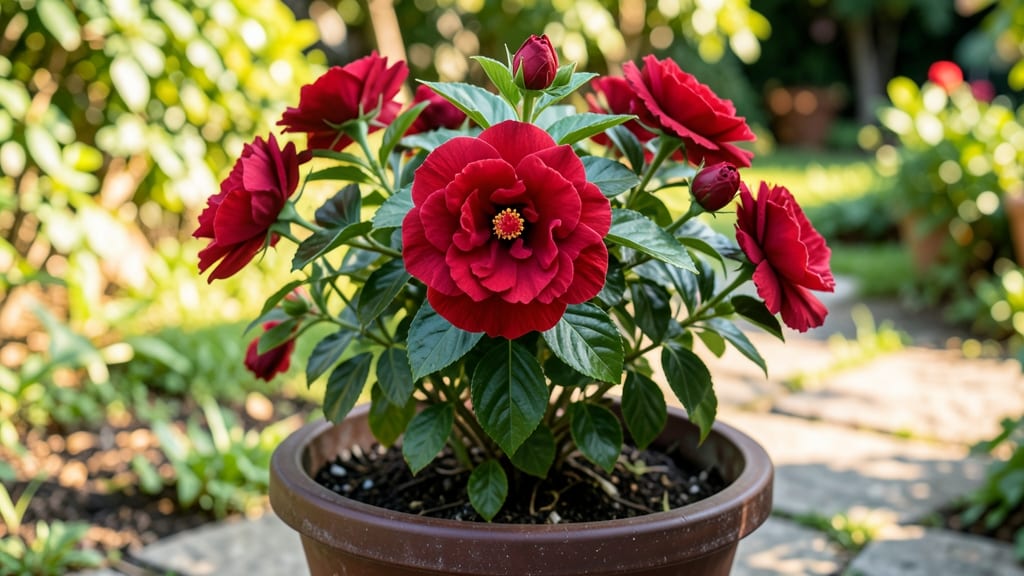
Your double bloom hibiscus could be covered in flowers twice a year—if you trigger the heat cycle right. 🌸 The secret lies in understanding how these varieties differ from single-bloom types and when to push them into their second flush of blooms.
I’ve grown both, and the double-bloomers reward patience with two stunning seasons of color instead of one.
Start with the right variety—look for named cultivars like 'Dwarf Red' or 'Lilac' with petals stacked in layers. They need full sun (6+ hours daily), well-draining soil, and consistent moisture, but the real magic happens when summer heat kicks in.
That’s when they’ll drop old blooms and push new ones—if you’ve pruned correctly earlier in the season.
By mid-summer, you’ll see the first wave of blooms, but the second flush arrives only if you’ve trimmed back leggy growth in spring. The flowers stay vibrant for weeks, and with proper care, your plant becomes a magnet for hummingbirds.
The key is balancing water (never soggy soil) and feeding lightly during bloom cycles.
Works in zones 7-11, but container-grown plants need winter protection in cooler areas. Here’s how to keep them blooming reliably year after year—no guesswork, just science-backed timing for that second showstopping display.
📚 In This Guide
- What you need
- Instructions
- Tips and common mistakes
- Wrapping up and next steps
What you need
- ● Double Bloom Hibiscus Plant: 1 healthy, mature plant (preferably a Hibiscus rosa-sinensis cultivar known for double blooms, like 'Dwarf Red' or 'Pink Giant').
- ● Check for 2-3 buds per stem—this signals strong blooming potential!
- ● Well-Draining Potting Mix: 5–10 gallons (depending on pot size), blended with: 60% peat moss or coconut coir
- ● 30% perlite or vermiculite
- ● 10% compost or aged manure
- ● Container: 15–20 gallon pot (minimum 12" diameter) with drainage holes.
- ● Pro tip: Terracotta pots help regulate soil temperature—ideal for heat-triggered blooms! 🌡️
- ● Fertilizer: Balanced 10-10-10 or 20-20-20 fertilizer (organic or synthetic).
- ● Slow-release granules OR liquid feed (diluted to half-strength).
- ● Watering Can or Hose: With a gentle spray nozzle for even moisture.
- ● Pruning Shears: Sharp, sterilized shears (or small bypass pruners).
- ● Heat mat (for cooler climates) to simulate tropical conditions.
- ● Grow lights (LED or fluorescent) for indoor setups—12+ hours of light/day.
- ● Mulch (straw or bark) to retain soil moisture and regulate temperature.
- ● pH test kit (aim for 6.0–6.5 for optimal nutrient uptake).
- ● Epsom salt (magnesium sulfate) for occasional foliar sprays to boost blooms.
Step-by-Step guide to triggering double blooms in hibiscus
Here’s how I coax my tropical hibiscus into a second flush of blooms—just when most gardeners think the season’s over.
🌱 Step 1: Prune for Structure and Stimulate New Growth
After your first bloom cycle ends, grab your pruners and cut back one-third of the plant’s height—focus on leggy stems and spent blooms. This isn’t just tidying up; it’s a signal to the plant that it’s time to reset. I always prune in early summer when temperatures hit 75°F+, because hibiscus respond best when warmth triggers new growth.
Make cuts just above a leaf node (where leaves attach) at a 45-degree angle—this prevents water from pooling and rotting the stem. Avoid cutting into old wood; look for green, flexible stems. You’ll see fresh shoots emerge within 2-3 weeks if conditions are right.
☀️ Step 2: Provide Consistent Heat and Sunlight
Double blooming hinges on heat exposure. Hibiscus need full sun (6+ hours daily) and **warmth—think 80-90°F for best results. If your summers are mild, extend the season with a heat lamp or move potted plants to a sunnier spot. I’ve seen hibiscus bloom again in late summer when temperatures stay above 78°F for at least a week.
Watch for wilting leaves—this often means heat stress. Mulch the base with 2-3 inches of organic mulch to keep roots cool while still providing warmth. Water deeply once a week (not daily) to encourage deep root growth, which supports more blooms.
💧 Step 3: Fertilize for Continuous Flowering
Switch to a high-phosphorus fertilizer (like 10-30-10) when you prune—phosphorus fuels root and flower development. Apply every 4-6 weeks during the rebloom cycle, but stop fertilizing* if new growth slows. Overfeeding can lead to lush foliage but fewer blooms.
I mix fertilizer with water and apply it early in the morning to avoid leaf burn. Hibiscus are heavy feeders, but they’ll reward you with bold, repeat blooms if you time it right. Look for new buds forming within 3-4 weeks—that’s your cue everything’s working.
✂️ Step 4: Deadhead and Support the Second Bloom Cycle
As buds form, deadhead spent blooms by snipping stems just above the next set of leaves. This redirects energy to new flowers instead of seed production. I use clean pruners to avoid disease—hibiscus are prone to bacterial spots if cuts are dirty.
Stake tall stems if needed—second blooms often weigh down leggy growth. A simple 3-foot bamboo stake works well. Watch for buds swelling (they’ll look like tiny green balls) and protect them from pests like aphids, which suck sap and stunt blooms.
⏰ Step 5: Prepare for Fall Transition
When nights dip below 60°F, hibiscus slow down. Gradually reduce watering and stop fertilizing by mid-autumn to harden off the plant. In colder zones, move potted hibiscus indoors near a south-facing window or grow light—just keep it above 50°F to prevent dormancy.
Here’s the thing—hibiscus remember their routine. If you trigger a second bloom cycle once, they’ll often repeat it next year. Just prune at the same time, feed consistently, and give them heat + sun, and you’ll have double the blooms for the price of one plant.
Tips & tricks for perfect double bloom hibiscus
These practical tips will help you coax that second flush of blooms from your hibiscus—without the guesswork.
Pruning Precision: When you cut back one-third of the plant’s height in Step 1, focus on removing stems that are woodier and less flexible—these won’t regrow as vigorously. I’ve found that making cuts just above a leaf node with at least 2-3 healthy leaves ensures stronger regrowth. This targeted approach prevents over-pruning while still triggering that reset signal. The goal is to keep the plant compact and encourage new shoots from the base.
Heat Management: The 75°F+ temperature threshold in Step 2 isn’t just about warmth—it’s about consistency. I’ve seen hibiscus respond poorly when temperatures fluctuate wildly between day and night. If your mornings dip below 65°F, consider moving potted plants to a sheltered spot or using a small space heater near the base (just enough to maintain 70°F+ overnight). This steady warmth is what triggers the metabolic shift needed for reblooming.
Fertilizer Timing: The 4-6 week window for applying high-phosphorus fertilizer in Step 3 is crucial, but timing matters just as much as frequency. I always apply it in the early morning after watering—this prevents leaf burn from the concentrated nutrients. If you notice new growth slowing after the second application, cut back to every 8 weeks instead of continuing the strict schedule. Hibiscus will tell you when they’ve had enough!
Pest Watch: In Step 4, those tiny green balls (swelling buds) are prime targets for aphids and spider mites. I keep a spray bottle of neem oil mixed with water (1 tsp per cup) handy to treat infestations early. Spray the undersides of leaves where pests hide, and repeat every 3-4 days until the buds open. Prevention is key—once pests move in, they can stunt the entire rebloom cycle.
Pro Tips for Double Bloom Hibiscus
- These practical tips will help you coax that second flush of blooms from your hibiscus—without the guesswork.
- Pruning Precision: When you cut back one-third of the plant’s height in Step 1, focus on removing stems that are woodier and less flexible—these won’t regrow as vigorously.
- Heat Management: The 75°F+ temperature threshold in Step 2 isn’t just about warmth—it’s about consistency.
Frequently asked questions
Got questions about coaxing that stunning double bloom hibiscus rebloom? You’re not alone! Here are answers to the most common queries—from timing tricks to troubleshooting tips—so you can keep those lush, double-petaled blooms coming all season.
How do I trigger the second bloom cycle in double bloom hibiscus?
Double bloom hibiscus typically needs a heat shock to restart flowering. After the first flush of blooms, wait until the plant’s growth slows, then prune back to encourage new shoots. Next, expose it to 90°F+ temperatures for 3–5 days (e.g., move pots to a sunny patio or use a heat lamp). Follow up with balanced fertilizer (20-20-20) to fuel regrowth.
When will my hibiscus rebloom after pruning and heat treatment?
With ideal conditions, you’ll see new buds in 4–6 weeks after pruning and heat shock. Patience is key—young shoots need time to harden and develop. Monitor for swollen buds (a sign blooms are imminent!). If no buds appear after 8 weeks, reassess light, water, or fertilizer levels.
Can I grow double bloom hibiscus in containers or do they need a garden bed?
Containers are ideal for heat-triggered reblooms because you can move them easily to optimize sun/heat exposure. Use pots 12+ inches deep with drainage holes and a well-draining mix (like 60% potting soil + 30% perlite + 10% compost). Just ensure they’re large enough to avoid root-bound stress.
Why are my hibiscus leaves yellowing or dropping after the first bloom?
Yellowing leaves often signal overwatering, nutrient deficiency, or root stress. Check soil moisture—hibiscus hate soggy roots. If leaves are crispy, it’s underwatering; if mushy, reduce watering. Feed with iron or magnesium supplements if veins stay green but leaves yellow (a classic deficiency sign). Prune damaged foliage to redirect energy to new growth.
Can double bloom hibiscus survive winter, or should I treat them as annuals?
In USDA Zones 9–11, hibiscus are perennial and can overwinter outdoors with mulch protection. For colder climates (Zones 8 and below), dig up pots or wrap plants in burlap, storing them in a 50–60°F garage with minimal water. Resume care in spring—just avoid heat shock until after the last frost!
Still stumped? Drop your hibiscus woes in the comments—we’re happy to help you debug!
Wrapping up and next steps
The double bloom hibiscus is a stunning reward for gardeners willing to embrace its unique heat-triggered rebloom cycle! By understanding its needs—like well-draining soil, consistent sunlight, and strategic pruning—you’ll unlock two breathtaking blooms per season instead of one. 🌸
Ready to transform your garden? Start by planting a few double bloom varieties this spring and monitor their response to warmth. With patience and care, you’ll soon enjoy a showstopping display that keeps coming back stronger. Happy growing!