
Blooming
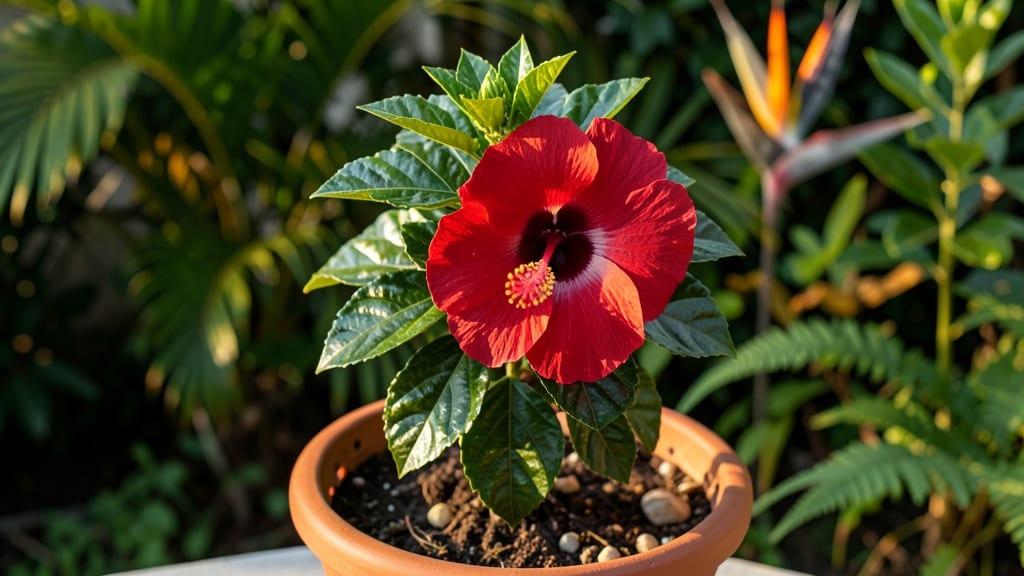
Hibiscus in Florida bloom from spring to fall 🌸, but the exact timing depends on whether you’re growing tropical or hardy varieties—and where you live in the state.
Picture this: your tropical hibiscus throwing out bold red blooms in January, while a hardy variety in North Florida waits until May. That’s how much climate and variety matter—and why knowing your zone is the key to planning your garden’s show-stopping moments.
In this guide, we’ll break down the bloom windows for Florida’s most popular hibiscus types, how heat zones shift timing, and the simple care tweaks that can turn a few weeks of flowers into months of vibrant displays.
You’ll learn which varieties thrive year-round in South Florida, when to expect peak blooms in Zone 9, and the one pruning trick that keeps hibiscus flowering nonstop—no matter where you garden.
Hibiscus bloom seasons in Florida by variety: tropical vs. hardy types
Florida’s hibiscus varieties burst into bloom at different times, creating a year-round color show if you mix the right types. Tropical hibiscus like Hibiscus rosa-sinensis thrive in South Florida’s heat zones (10-11), while hardy hibiscus (e.g., Hibiscus moscheutos) prefer cooler North Florida springs (Zones 8-9).
Even dwarf varieties adjust their bloom cycles to Florida’s humid summers, often peaking from June through September. Understanding these patterns helps you plan for continuous blooms or targeted seasonal displays.
Your hibiscus bloom timing depends on three key factors: variety type, USDA heat zone, and growing conditions. Tropical hibiscus, for example, can flower year-round in Miami (Zone 11), while hardy types in Tallahassee (Zone 8b) may wait until late April or May for their first blooms.
Even within the same city, microclimates—like shaded urban gardens vs. sunny rural landscapes—can shift bloom windows by 2-4 weeks. Let’s break down the exact bloom seasons for Florida’s most popular hibiscus types.
Tropical hibiscus are the superstars of Florida’s year-round gardens, especially in South Florida (Zones 10-11). Varieties like ‘Coral Charm’ or ‘Lady Baltimore’ can produce bright blooms from January through December, with heaviest flowering in spring and fall. However, even tropical types may slow down in winter if temperatures dip below 50°F (10°C). To keep them blooming, I mulch heavily and fertilize lightly in early spring to kickstart growth.
If you’re in North Florida (Zones 8-9), hardy hibiscus like ‘Southern Belle’ are your best bet. These varieties wait for warmer weather before bursting into bloom, typically mid-April through October. The trade-off? They shut down completely in winter, dropping leaves and entering dormancy.
But their large, showy flowers—often 6-8 inches wide—make them worth the wait. I’ve seen ‘Palace Purple’ in Gainesville start blooming by late April, while coastal Jacksonville plants may begin as early as March.
For small-space gardens, dwarf hibiscus like ‘Dwarf Red’ or ‘Luna Blush’ are game-changers. These varieties peak in summer (June-September) but can extend blooms into early fall with regular deadheading and balanced fertilizer.
Unlike their taller cousins, they thrive in containers, making them perfect for patios or balconies. My dwarf hibiscus in Tampa blooms from late May until October, with fewer gaps than tropical types. The key? Prune lightly after each flush of blooms to encourage new growth.
Don’t overlook Swamp Hibiscus (Hibiscus coccineus) for **moisture-loving
Florida heat Zones & how they affect hibiscus blooming times
Florida’s USDA heat zones 8-11 create dramatic differences in hibiscus bloom timing. In Zone 11 (South Florida), tropical hibiscus like Hibiscus rosa-sinensis can bloom year-round with proper care, while Zone 8 (North Florida) gardens often see delayed starts until April or May.
Even within the same zone, microclimates—like urban heat islands or coastal breezes—can shift bloom windows by weeks.
Understanding these patterns helps you time pruning and fertilizer applications for maximum impact. For example, hardy hibiscus in Zone 9 often peak in late summer, while tropical varieties may struggle with midday heat stress in July unless shaded.
Let’s break down the specifics by zone to help you predict—and extend—your hibiscus blooms.
| Heat Zone | Bloom Window | Key Factors | Microclimate Tips |
|---|---|---|---|
| Zone 8 (North FL) | April–October | Cooler winters delay starts; hardy varieties preferred | Plant near south-facing walls for warmth |
| Zone 9 (Central FL) | March–November (peak June–August) | Heat sensitivity in July; drought stress risks | Use drip irrigation for consistent moisture |
| Zone 10 (South FL) | Year-round (best Jan–May, Sept–Nov) | Humidity and pests reduce summer blooms | Prune after storms to revive growth |
| Zone 11 (Keys) | Year-round (slowest July–Aug) | Salt spray and hurricanes can damage plants | Mulch with coconut coir for salt resistance |
In Zone 8, where winters dip below 20°F, only hardy hibiscus varieties like Hibiscus moscheutos survive, blooming from late spring to fall. To push blooms earlier, I’ve had success planting near black plastic mulch to absorb and radiate heat.
Meanwhile, Zone 11 gardens in the Florida Keys can grow tropical hibiscus indoors during storms and move them outdoors when safe, ensuring non-stop color.
Urban gardens in Zone 9 (like Orlando or Tampa) face unique challenges: concrete heat can scorch roots, while shaded sidewalks delay blooms. My trick? Plant hibiscus near trees that provide afternoon shade—this keeps roots cool while still allowing morning sun for flowering.
Rural areas, with their looser soil and natural drainage, often see 2-3 weeks earlier blooms than urban spots.
For peak summer blooms in Zone 9, focus on deep watering every 2-3 days and light feeding with a 7-9-5 fertilizer every 6 weeks. I’ve seen Hibiscus syriacus (hardy hibiscus) produce double the flowers when pruned back by one-third in early spring.
In Zone 10, where humidity spikes, fungal diseases like powdery mildew can halt blooms—so I always space plants 3-4 feet apart for airflow.
If you’re in South Florida (Zones 10-11), don’t overlook dwarf hibiscus varieties like ‘Lime Green Eyes’, which bloom year-round with minimal care. For North Florida (Zone 8), Hibiscus coccineus (scarlet hibiscus) is a reliable performer, though it may need winter protection.
By tailoring your choices to your heat zone and microclimate, you can enjoy hibiscus blooms for nearly 12 months—or at least 6 vibrant months if you’re in cooler areas.
Pro tip: Track your hibiscus’s blooms for 2 years to spot patterns. In my Zone 9 garden, I’ve noticed June blooms peak after rain, while September flowers appear when days cool slightly. Adjust your pruning schedule based on these cues to keep the show going! 🌸