
Blooming
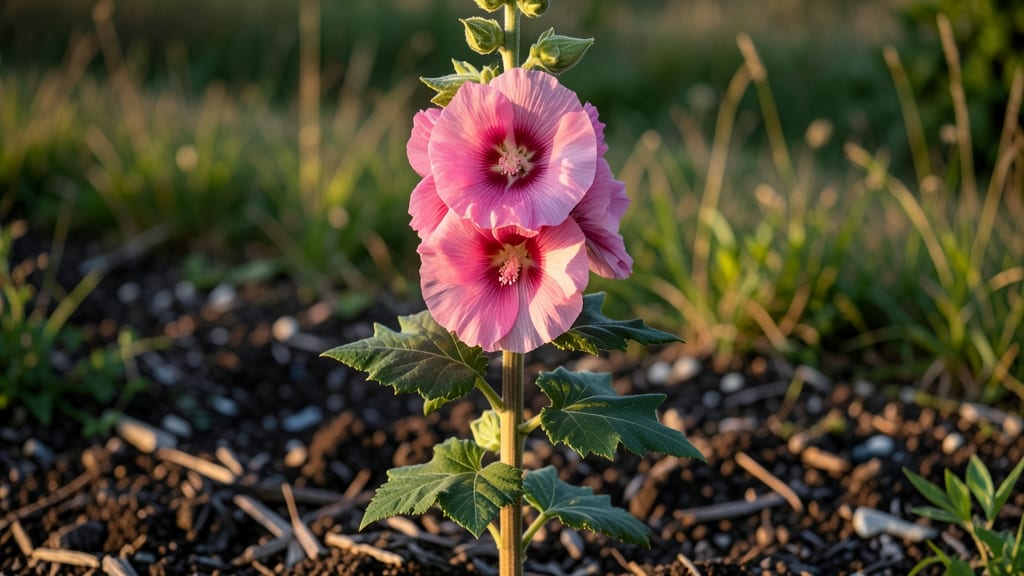
My double bloom hollyhocks hit their second flush of color in August—proof that heat actually triggers more flowers. 🌸 The secret lies in how you prune, feed, and water these towering beauties, which most gardeners get wrong and end up with just one sad summer show.
Hollyhocks need full sun and well-drained soil rich in organic matter. The key to double blooms is cutting back old stems after the first flush (around Memorial Day) while leaving lower buds intact—they’ll push new growth. Too much nitrogen early on?
You’ll get leaves, not flowers. By late summer, you’ll have sturdy stems packed with blooms that last weeks longer than single-flower varieties. The fragrance alone makes them worth the effort, plus they attract hummingbirds like crazy. Deadhead spent blooms to encourage even more reblooming.
Works in cottage gardens, cottage-style borders, or even as dramatic cut flowers. Just avoid overcrowding—space plants 2-3 feet apart for airflow and disease prevention. Here’s how to get that second bloom going strong.
📚 In This Guide
- What you need
- Instructions
- Tips and common mistakes
- Wrapping up and next steps
What you need
- ● Double bloom hollyhock seeds or seedlings: Choose Alcea rosea varieties like ‘Peach Blush,’ ‘Black Night,’ or ‘Chocolate Soldier’ for dramatic double blooms.
- ● Quantity: 10–20 seeds (or 3–5 seedlings) for a small border; scale up for larger displays.
- ● Well-draining soil: Mix 1 part garden soil with 1 part compost and 1 part perlite or coarse sand to prevent root rot.
- ● Sunlight: A full-sun location (6+ hours of direct sunlight daily)—critical for heat-triggered reblooms!
- ● Watering can or hose: With a fine rose attachment to avoid disturbing seedlings.
- ● Fertilizer: Balanced granular fertilizer (10-10-10) at planting (1 tbsp per plant).
- ● Low-nitrogen, high-phosphorus fertilizer (5-10-10) during blooming season (every 4–6 weeks).
- ● Mulch: 2–3 inches of straw or shredded leaves to retain moisture and regulate soil temp.
- ● Plant supports: Bamboo stakes or tomato cages (6–8 ft tall) to keep towering stems upright.
- ● Pruning shears: For deadheading spent blooms to encourage reblooming.
- ● Heat-tolerant companion plants: Marigolds or cosmos to attract pollinators and deter pests.
- ● Soil thermometer: To monitor 60–70°F soil temps—ideal for germination and reblooming triggers.
Step-by-Step guide to encouraging double bloom in hollyhocks
Here's how I've learned to coax those second flushes of color from hollyhocks—no fancy tricks, just smart timing and care.
⏰ Step 1: Prune After First Bloom for Heat-Triggered Rebloom
Wait until your hollyhocks finish their first flush and the flower stalks begin to brown naturally. This usually happens in early summer. I cut back each stem to about 6-8 inches above the ground using clean, sharp pruners. The key here is to remove the spent blooms completely—this signals the plant to redirect energy for new growth instead of seed production.
Real talk: Don't cut too late. If you wait until fall, the plant won't have enough warm months to recover and produce a second bloom. You'll know you've timed it right when you see fresh new shoots emerging from the base within 2-3 weeks. These will be your second flush of flowers.
☀️ Step 2: Provide Consistent Heat and Sun Exposure
Hollyhocks love full sun, but for that second bloom, they need at least 6-8 hours of direct sunlight daily. If your plants are in partial shade, they might not rebloom at all. I've found that southern exposures work best in most climates. Watch for leaves that look pale or stretched—they're begging for more light.
Heat is the trigger for reblooming. In cooler climates, hollyhocks might need a little help from the sun's warmth. If your area gets chilly nights, consider moving potted hollyhocks to a sheltered spot or even bringing them indoors temporarily during unexpected cold snaps. The goal is to keep the plant in a warm, sunny environment until the new flower buds form.
💧 Step 3: Water Deeply but Infrequently
Hollyhocks are surprisingly drought-tolerant once established, but consistent moisture is key for encouraging that second flush. Water deeply—about 1 inch per week—but let the top 2-3 inches of soil dry out between waterings. Overwatering leads to weak stems and fewer blooms.
I like to water in the morning so the foliage has time to dry out during the day. This prevents fungal issues that can stress the plant and reduce flowering. You'll know your watering is right when the soil feels slightly damp but not soggy 1 inch below the surface. If the leaves start curling or wilting, it's time to check your watering routine.
✂️ Step 4: Deadhead and Fertilize for Extended Blooming
As your second flush of flowers begins to open, I deadhead spent blooms regularly to keep the plant focused on producing new flowers. Simply snip off the faded blooms just above a set of healthy leaves or buds. This encourages the plant to keep putting energy into flowering rather than seed production.
Fertilize lightly with a balanced, water-soluble fertilizer (like 10-10-10) every 4-6 weeks during the growing season. Hollyhocks don't need a lot of food, but a little extra phosphorus helps promote blooming. Mix the fertilizer according to package instructions and apply it to the soil, not the leaves. You'll see the difference in stronger stems and more abundant flowers.
🌱 Step 5: Prepare for Winter to Ensure Next Year's Blooms
Once the second flush of flowers has finished and the plant begins to die back naturally, it's time to prepare for winter. Cut back the stems to about 4-6 inches above the ground and remove any dead or diseased foliage. This keeps the plant tidy and reduces the risk of pests or diseases overwintering.
Hollyhocks are hardy perennials, so they'll come back year after year with proper care. Mulch the base of the plant with 2-3 inches of organic mulch to protect the roots during winter. In colder climates, a little extra mulch can make all the difference in keeping the plant healthy for next season's blooms. Your efforts now will pay off with even more stunning hollyhocks next year!
Tips & tricks for perfect heat-triggered hollyhock reblooms
These simple strategies will help you coax that second flush of stunning hollyhock blooms every season.
Pruning Precision: When cutting back stems in Step 1, aim for clean cuts just above a leaf node or bud. This ensures new growth emerges from the right spot. I use sterilized pruners to prevent disease—just dip them in rubbing alcohol between cuts. The goal is to remove only the spent blooms while leaving healthy growth intact. Watch for those fresh shoots appearing within 2-3 weeks as your reward for timing it right.
Sunlight Strategy: For the critical 6-8 hours of sunlight in Step 2, consider using reflective surfaces like white gravel or mirrors to bounce extra light onto your plants. I've seen hollyhocks in partial shade produce second blooms when I added a reflective panel behind them. Morning sun is especially important—it helps dry dew quickly and prevents fungal issues that can stress the plant.
Watering Wisdom: The 1-inch weekly watering guideline in Step 3 works best with proper technique. Use a rain gauge or tuna can to measure your water accurately—eyeballing often leads to overwatering. I water at the base rather than overhead to keep leaves dry, which reduces fungal risks. If your soil drains poorly, add compost to improve aeration before planting.
Fertilizer Timing: When applying that 10-10-10 fertilizer in Step 4, split the dose into two applications—once when you first see new growth after pruning, and again when buds begin forming. Hollyhocks are light feeders, so less is often more. I've found they respond better to frequent light feedings than heavy doses. Always water before and after fertilizing to prevent root burn.
Pro Tips for Double Bloom Hollyhocks
- These simple strategies will help you coax that second flush of stunning hollyhock blooms every season.
- Pruning Precision: When cutting back stems in Step 1, aim for clean cuts just above a leaf node or bud.
- Sunlight Strategy: For the critical 6-8 hours of sunlight in Step 2, consider using reflective surfaces like white gravel or mirrors to bounce extra light onto your plants.
Frequently asked questions
Got questions about double bloom hollyhocks?
You’re not alone! Here are answers to the most common queries—from timing tricks to troubleshooting—so you can maximize those stunning second blooms all season long.
1. How do I trigger the second bloom in double bloom hollyhocks?
Heat is your secret weapon! Once the first flowers fade, prune back the stems by about ⅓ and feed with high-phosphorus fertilizer (like 5-10-10). Then, let the plant bake in full sun (6+ hours/day)—consistent temps above 75°F (24°C) kickstart the rebloom. Pro tip: Water deeply but avoid soggy soil!
2. When is the best time to deadhead double bloom hollyhocks?
Deadhead spent blooms as soon as they wilt to redirect energy to new buds. For double bloomers, aim for late spring to early summer (after the first flush) and again in mid-to-late summer to encourage the second wave. Skip deadheading if flowers are still fresh—let them seed naturally for next year’s blooms!
3. Why aren’t my double bloom hollyhocks reblooming?
Common culprits:
- Cool temps: Reblooming stalls below 60°F (15°C). Try a row cover or move potted plants to a sunnier spot.
- Poor pruning: Cutting too aggressively removes next year’s buds. Stick to light trimming of faded stems.
- Nutrient deficiency: Yellow leaves? Boost with balanced fertilizer (10-10-10) or compost.
- Overcrowding: Hollyhocks need space to breathe (18–24" apart). Thin plants if needed.
4. Can I grow double bloom hollyhocks in containers?
Choose large pots (12"+ diameter) with drainage holes and a well-draining mix (add perlite or sand). Use dwarf varieties like ‘Peach Blow’ or ‘Black Night’ to save space. Pro tip: Move containers to bright, sheltered spots in summer for consistent heat—reblooming thrives on stability!
5. What’s the best alternative if double bloom hollyhocks don’t rebloom?
If your hollyhocks play hard to get, try these reliable rebloomers:
- Zinnias (‘Benary’s Giant’): Heat-loving, deadhead for nonstop color.
- Cosmos (‘Sensation’): Drought-tolerant and self-cleaning!
- Sunflowers (‘Autumn Beauty’): Some varieties rebloom without pruning.
- Dahlias (‘Café au Lait’): Feed regularly for dramatic second blooms.
For hollyhock lovers, ‘Ruby Queen’ or ‘Lady Alice’ are top picks for consistent double blooms.
Wrapping up and next steps
Double bloom hollyhocks are a gardener’s dream—packed with vibrant color and a second chance to shine! By mastering their heat-triggered rebloom secrets, you can enjoy stunning displays from spring to fall. Prune strategically, feed with patience, and embrace the magic of Mother Nature’s timing.
Ready to transform your garden? Start small—try a single plant or a cluster this season, and watch your efforts bloom into a breathtaking spectacle. Happy gardening! 🌸🌿