
Blooming
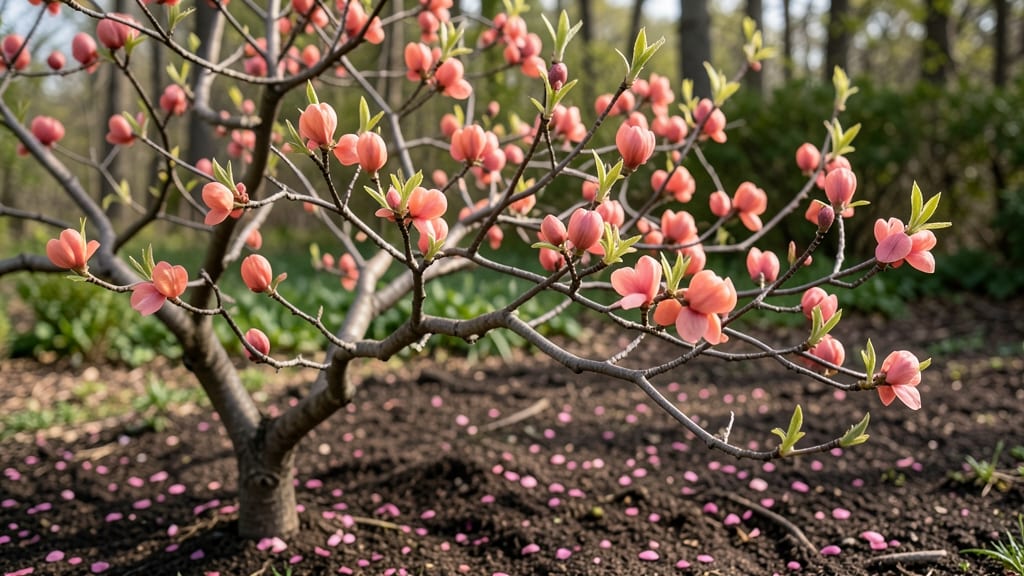
The Eastern redbud blooms in early spring 🌸—typically between late March and mid-April in USDA Zone 6, but timing shifts dramatically depending on your region and microclimate.
Picture this: you’ve waited all winter for those iconic pink blossoms to burst forth, only to find your tree still bare while your neighbor’s is already in full bloom. The difference? A few hundred miles—or even just a south-facing slope versus a shady corner.
In this guide, I’ll break down the exact bloom windows by hardiness zone, how sunlight and soil affect timing, and the simple adjustments you can make to coax your Eastern redbud into flowering right on schedule—or even a little earlier.
You’ll learn which zones see blooms as early as February, how pruning in late summer can delay flowers until May, and the one soil trick that guarantees vibrant, long-lasting blooms every year.
Eastern redbud bloom time by USDA hardiness zones (with exact months)
The Eastern redbud (Cercis canadensis) bursts into color with its iconic magenta-pink blooms, but the exact timing depends heavily on your USDA hardiness zone. In colder zones, blooms arrive as early as late March, while warmer climates may see flowers as late as mid-April.
Understanding these variations helps you plan for peak viewing and garden maintenance.
Climate plays a crucial role—northern exposures often delay blooms by 1-2 weeks compared to southern-facing sites. Microclimates (like urban heat islands) can also shift bloom windows by up to 10 days. Below, we break down the average bloom periods by zone, including duration and regional adjustments.
In Zone 3-4, where winters are harsh, Eastern redbuds typically bloom in late April after soil temperatures reach 50°F. This delay gives the tree time to break dormancy safely.
Meanwhile, Zone 9-10 gardens may see blooms as early as late January, aligning with mild winters and early spring warmth.
For gardeners in Zone 6-7, the most common range for Eastern redbuds, blooms usually arrive in mid-to-late March. However, a northern exposure can push this back by 3-5 days, while a south-facing wall might advance it by 1-3 days.
This microclimate effect is critical for planning pruning or fertilizing around bloom time.
If you’re in Zone 8 or warmer, expect the earliest blooms—late January to early February. These regions often experience shorter bloom durations (5-7 days) because warmer temperatures accelerate the tree’s metabolic processes.
To extend the display, consider planting near a heat-reflective surface, like a brick wall, which can delay bud drop by 2-4 days.
Climate anomalies, like unseasonable warmth in winter, can also affect bloom timing. For example, a 60°F winter day in Zone 5 might trick the tree into blooming 2-3 weeks early, risking frost damage.
Always monitor local weather forecasts and adjust care accordingly—like wrapping young trees in burlap if early blooms are predicted.
For container-grown Eastern redbuds, bloom times may shift slightly due to root restriction or pot heating from urban environments. If your potted tree blooms earlier than expected, it’s likely experiencing warmer root
How to extend Eastern redbud bloom season in your garden
Want your Eastern redbud to burst into bloom earlier or linger longer? The secret lies in strategic care adjustments that manipulate its natural cycle. Unlike many trees, redbuds bloom on old wood, meaning last year’s growth produces this year’s flowers.
This makes timing critical—and slightly flexible with the right techniques.
By combining pruning strategies, microclimate control, and soil optimization, you can extend that pink floral display by 2-4 weeks or even trigger a second bloom in fall. Here’s exactly how to do it without stressing your tree.
Cut back dead or crossing branches after dormancy (Feb-March) to reduce stress and encourage new growth that blooms earlier. Avoid heavy pruning—keep it to 10-15% of canopy.
Plant near a south-facing wall or brick patio to absorb heat during the day and release it at night. This delays frost and extends bloom by 10-14 days.
Add bone meal (5-10-10 NPK) in early spring to boost flower production. Aim for pH 6.0-7.0—test your soil and adjust with lime or sulfur as needed.
Plant Russian sage or sedum nearby to reduce competition for water. These deep-rooted plants improve soil structure, helping redbuds retain moisture longer.
For a second bloom in fall, try this trick: After the first flush of flowers fades, give your redbud a light fertilizer (like fish emulsion) in early July. This encourages new wood growth that may produce a smaller but later bloom in September-October.
Remember, patience is key. It may take 2-3 years for these adjustments to show full results, but the payoff—a longer, more vibrant display—is worth the effort. Start with just one technique this season, then build from there.
Pro tip: Mark your calendar for late February—this is when bud break typically begins in Zone 6. If you’re in a colder zone, aim for early March to catch the peak bloom window.