
Blooming
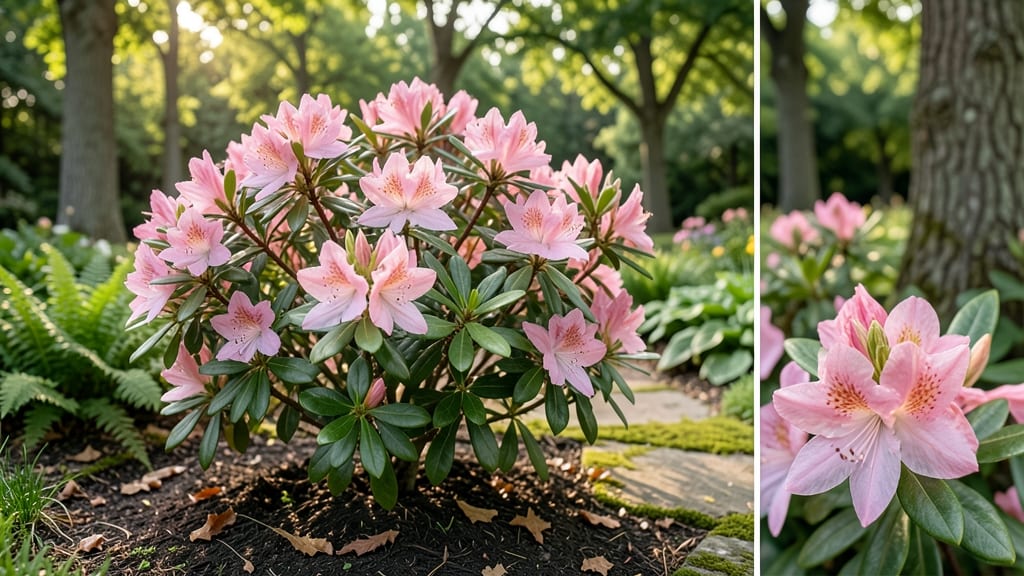
Encore azaleas bloom in spring and early summer 🌸, but the exact timing depends on your variety and climate zone.
Wondering why your Encore azaleas aren’t blooming when you expect? The secret lies in their variety—and knowing the exact months they’ll burst into color can transform your garden into a year-round showstopper.
From the first hints of pink in Zone 6 to the bold reds of Zone 9, each Encore azalea has its own schedule.
Some varieties like ‘Autumn Splendor’ even surprise you with a second flush of blooms in fall, while others need just the right balance of sun and soil to perform their best.
Here’s what you need to know to predict—and extend—their bloom time, including the best care tips for your specific zone and how to troubleshoot if your shrubs are playing hard to bloom.
Encore azalea bloom time by variety: month-by-month guide
If you’ve ever wondered why your Encore azaleas bloom at different times each year, the answer lies in their variety-specific bloom windows. Unlike traditional azaleas that bloom just once, Encore azaleas are bred to rebloom—sometimes twice a year—but their timing shifts based on where you live.
In northern climates (Zones 6-7), blooms often appear later, while southern regions (Zones 8-9) may see earlier or extended seasons. Knowing these patterns helps you plan your garden for year-round color.
For example, the ‘Hino Crimson’ variety typically blooms in May–June in cooler zones but can start as early as April in warmer southern areas. Meanwhile, ‘Autumn Splendor’ delivers a fall rebloom (September–October), making it a standout for late-season color.
The key to maximizing blooms? Understanding how climate zones and variety traits interact to create your azalea’s personal bloom calendar.
| Variety | Primary Bloom (Zones 6-7) | Secondary Bloom (Zones 6-7) | Primary Bloom (Zones 8-9) | Secondary Bloom (Zones 8-9) | Notes |
|---|---|---|---|---|---|
| ‘Hino Crimson’ | May–June | September–October | April–May | August–September | Deep red blooms; heat-tolerant. |
| ‘Autumn Splendor’ | June–July | September–October | May–June | August–September | Orange-red; reliable fall rebloomer. |
| ‘Oso Easy’ Series | May–June | September | April–May | August–September | Disease-resistant; low-maintenance. |
| ‘Pinky Winky’ | May–June | Late August | April–May | July–August | Pink blooms; compact growth. |
| ‘Blush’ | June–July | September–October | May–June | August–September | Soft pink; fragrant blooms. |
Notice how ‘Autumn Splendor’ and ‘Blush’ both deliver fall blooms, while ‘Hino Crimson’ and ‘Pinky Winky’ lean toward spring and late summer. This variety diversity lets you stagger blooms across seasons—plant ‘Hino Crimson’ for early color and ‘Autumn Splendor’ for a late-season show.
In Zone 8-9, you might even see three bloom cycles if conditions are ideal!
Climate plays a huge role in these timelines. In northern zones (6-7), cooler springs delay blooms until May or June, while southern zones (8-9) can enjoy April blooms or even earlier with mild winters.
For example, my ‘Oso Easy Ruby’ in Zone 7 blooms in late May, but a friend in Zone 9 reports blooms as early as March. The difference? Warmer winters in southern regions kickstart growth sooner.
To adjust bloom times in your garden, focus on three key factors: light exposure, soil acidity, and
How to extend Encore azalea blooms: pro tips for longer seasons
Encore azaleas are famous for their reblooming ability, but getting them to bloom continuously takes strategy. Unlike traditional azaleas, these beauties can produce two flushes of flowers per year—but only if you time your care perfectly.
The key lies in pruning, feeding, and light management to encourage a second bloom cycle.
Most Encore azaleas bloom in late spring to early summer, but with the right approach, you can coax a second round of flowers in fall or early winter. This isn’t just about luck—it’s about understanding their growth triggers and giving them the conditions they crave.
Let’s dive into the pro tips that’ll keep your azaleas flowering longer than ever.
- 1 Prune after blooming: Trim spent flowers and lightly shape in June or July to avoid cutting off next year’s buds. Use clean, sharp shears and remove no more than 1/3 of the plant.
- 2 Fertilize strategically: Apply a balanced acid fertilizer (8-3-9) in early spring and again in mid-summer to fuel reblooming. Avoid high-nitrogen feeds—they promote leafy growth over flowers.
- 3 Adjust light exposure: Encore azaleas thrive in partial shade (4–6 hours of morning sun). Too much afternoon sun can stress them, while too little light weakens blooms. Watch for leaf scorch in hot climates.
- 4 Water deeply and consistently: Drought stress halts blooming. Water at the base of the plant in the morning to prevent fungal issues. Mulch with pine bark to retain moisture and acidify the soil.
- 5 Monitor soil pH: Encore azaleas love acidic soil (pH 4.5–6.0). Test your soil annually and amend with sulfur or peat moss if pH rises above 6.5. Yellow leaves? That’s your pH warning sign.
One of the biggest mistakes gardeners make is pruning at the wrong time. If you trim Encore azaleas in late summer or fall, you risk removing next year’s flower buds, which form on old wood.
Instead, wait until June or July, after the first bloom cycle, to shape and clean up without sacrificing future flowers.
For fall blooms, focus on light feeding in August with a low-phosphorus fertilizer (like 10-10-10). This gives the plant a gentle energy boost without overwhelming it. Pair this with consistent watering and you’ll see buds forming by September or October, just in time for autumn color.
Don’t forget that container-grown Encore azaleas need extra care. Potted plants dry out faster and may need daily watering in summer. Use a self-watering pot or bury the container slightly in the ground to stabilize moisture.
Also, repot every 2–3 years to refresh the soil—stagnant roots lead to poor blooming.
With these pro tips, your Encore azaleas can bloom for up to 6 months per year! The secret is patience and precision: prune at the right time, feed lightly but often, and keep those roots happy.
Your garden will thank you with vibrant, long-lasting blooms that turn heads all season long. 🌸