
Blooming
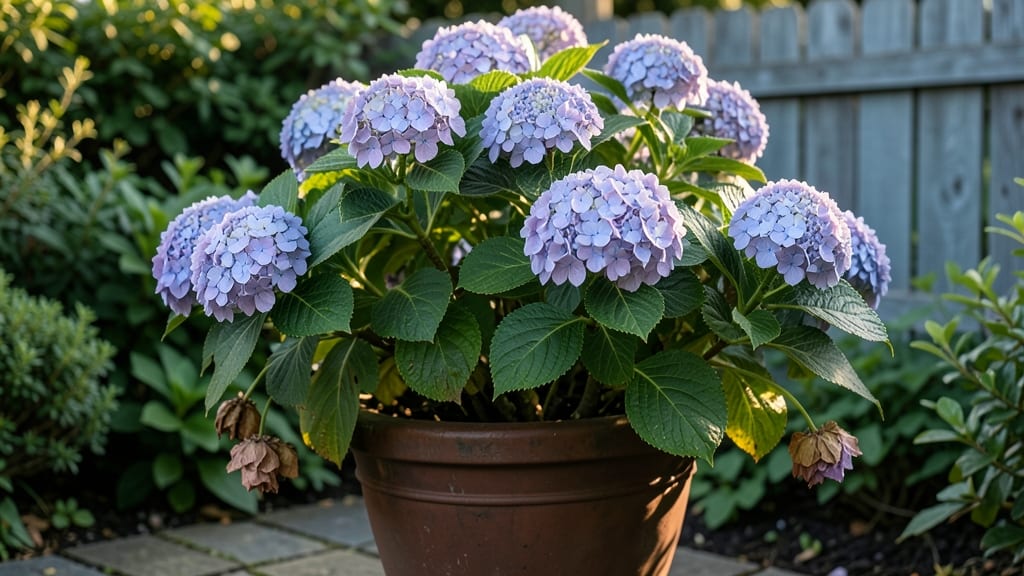
Your Endless Bloom hydrangea could produce purple spikes from spring until frost—if you prune it right. ✨ The secret lies in timing: cut back at the wrong time, and you’ll sacrifice next year’s blooms for this year’s. I’ve turned my once-sparse hydrangea into a nonstop showstopper by mastering this exact schedule, and you can too.
These hydrangeas are forgiving, but they do demand consistency. Plant them in morning sun with afternoon shade, well-draining soil, and a pH between 5.5 and 6.5. Water deeply twice a week in summer, and mulch to keep roots cool.
The blooms thrive when they’re not stressed—so skip the heavy pruning in late summer or fall, or you’ll lose next season’s flowers.
By pruning once in late winter (before buds swell) and once in summer (after blooms fade), you’ll coax continuous blooms for months. The spikes stay vibrant, the plant stays compact, and you’ll get that neighbor-jealousy level display from June through October—no gaps, no bare branches.
Works for both container gardens and in-ground plantings. The same rules apply whether you’re dealing with a single plant or a full hedge. Here’s how to make it happen without the guesswork.
📚 In This Guide
- What you need
- Instructions
- Tips and common mistakes
- Wrapping up and next steps
What you need
- ● Pruning shears or loppers: Sharp, clean, and disinfected (70% isopropyl alcohol or bleach solution). Must cut cleanly to avoid tearing stems.
- ● Rubbing alcohol (70% or higher): For sterilizing tools between cuts (1 small bottle).
- ● Garden gloves: A pair to protect hands from thorns or sap (nitrile-coated for durability).
- ○ Pruning saw (optional but helpful): For thicker stems (1–2 inches in diameter).
- ○ Mulch (optional but recommended): 2–3 inches of organic mulch (shredded bark or pine needles) to retain moisture and regulate soil temp.
- ● Fertilizer (balanced or acid-loving plant formula): 10-10-10 or 8-3-9 with micronutrients (follow package rates).
- ● Knowledge of your hydrangea’s age: Mature plants (3+ years old) need less aggressive pruning than young ones.
- ● Weather check: Prune on a dry, overcast day or early morning to reduce stress on the plant.
- ● Plant health assessment: Remove any dead, diseased, or crossing branches first—these take priority over shaping!
Step-by-Step pruning guide for Endless Bloom hydrangeas
Here's the pruning schedule that keeps those iconic purple blooms coming strong from spring to frost.
✂️ Step 1: Prune in Late Winter Before New Growth Begins
Cut back last year's stems to 4-6 inches above the ground using clean, sharp pruners. This is the most critical cut because it removes dead wood and forces fresh growth from the base. I always prune in late February or early March, just as buds begin to swell but before any green appears. The goal is to stimulate vigorous new shoots that will produce your summer blooms.
Remove any stems that are completely dead or mushy at the center—they won't regrow. You'll know you're pruning at the right time when the plant looks dormant but the buds are visibly plumping up. This first cut sets the stage for continuous flowering, so don't skip it even if the plant looks healthy.
🌿 Step 2: Light Trim in Early Summer After Initial Blooms Appear
About 6-8 weeks after your late winter prune, you'll see the first flush of blooms appear. Once these fade, cut back about ⅓ of the stems to 6-8 inches above a set of leaves. This encourages the plant to produce a second round of flowers from those same stems. I always use sterilized pruners to avoid spreading disease between cuts.
Watch for new growth emerging from the base—these are your strongest stems. Let them grow until they develop 5-6 sets of leaves before pruning again. The key here is balance: too much cutting back reduces flowering, but too little means fewer blooms overall. You'll see fresh buds forming within 2-3 weeks after this trim.
☀️ Step 3: Deadhead and Shape in Mid-Summer for Continuous Blooms
When the second round of blooms starts fading in mid-to-late summer, remove only the spent flower heads—not the stems. This encourages the plant to keep producing flowers from the same growth. I like to do this on a dry morning when the stems are firm, making it easier to see where to cut without tearing the plant.
While deadheading, take a moment to shape the plant by trimming any overly long or leggy stems back to a strong set of leaves. This keeps the plant compact and prevents it from becoming top-heavy. You'll notice new buds forming at the leaf nodes within 10-14 days, signaling the plant is responding well.
⏰ Step 4: Final Light Prune in Early Fall Before Dormancy
About 4-6 weeks before your first frost, give your hydrangea one last light trim. Cut back any stems that have finished flowering for the season to just above a set of leaves. This prevents the plant from putting energy into seed production, which weakens it for winter. I avoid heavy pruning now because the plant needs to harden off gradually.
Remove any dead or diseased stems completely, and trim back any that are crossing or rubbing against each other. This final cut helps the plant enter dormancy in a tidy, healthy state. You'll see fewer new blooms after this, but the remaining stems will store energy for next year's spectacular display.
✂️ Step 5: Clean Up in Late Winter Before New Growth
Once the plant is fully dormant and the ground has thawed, remove all remaining dead stems and debris from the base. This prevents pests and diseases from overwintering. I always dispose of pruned material in the trash—not the compost—because hydrangea debris can harbor fungal spores that survive the winter.
Apply a 2-3 inch layer of mulch around the base (but not touching the stems) to protect roots from freezing temperatures. This final step ensures your hydrangea wakes up in spring ready to produce another season of stunning purple blooms. The mulch also helps retain moisture during dry spells, giving your plant a head start in early spring.
Tips & tricks for perfect Endless Bloom hydrangea care
These pruning secrets will help you maintain vibrant purple blooms all season long while avoiding common mistakes.
Pruning Tool Essentials: Invest in a pair of high-quality bypass pruners for clean cuts that heal faster. I've ruined several cuts using dull shears—you'll notice the stems split or tear when you try to cut through them. Sterilize your tools with rubbing alcohol between cuts to prevent spreading disease, especially important when working with hydrangeas that are prone to fungal issues. The right tools make all the difference in how your plant responds to pruning.
Visual Cues for Timing: For the late winter prune (Step 1), look for these signs: the buds should be visibly swollen but not yet opening, and the plant should look completely dormant. In my zone 6 garden, this usually falls in early March when the forsythia bushes start blooming nearby. If you see any green growth, wait a few more days—the plant needs to be fully dormant for this critical first cut.
Summer Pruning Strategy: When doing your light trim in early summer (Step 2), focus on removing only one-third of the oldest stems each time. I mark the stems with a ribbon in late winter to identify which ones to cut back first. This rotational approach prevents over-pruning and maintains consistent flowering. The remaining stems will develop new buds at the leaf nodes within 2-3 weeks, giving you that second flush of blooms.
Mulching Matters: That 2-3 inch layer of mulch in Step 5 isn't just decorative—it's crucial for winter protection. I use shredded hardwood mulch because it breaks down slowly and provides consistent moisture retention. Keep it 2-3 inches away from the stem to prevent rot while still protecting the roots. In my experience, properly mulched hydrangeas handle winter freezes much better and bounce back faster in spring.
Pro Tips for Endless Bloom Hydrangea
- These pruning secrets will help you maintain vibrant purple blooms all season long while avoiding common mistakes.
- Pruning Tool Essentials: Invest in a pair of high-quality bypass pruners for clean cuts that heal faster.
- Visual Cues for Timing: For the late winter prune (Step 1), look for these signs: the buds should be visibly swollen but not yet opening, and the plant should look completely dormant.
Frequently asked questions
Got questions about keeping your Endless Bloom Hydrangeas in full purple glory year-round? You’re not alone! Here are answers to the most common queries—so you can enjoy those vibrant blooms without the guesswork.
When is the best time to prune Endless Bloom Hydrangeas for continuous blooms?
Prune your Endless Bloom Hydrangeas right after flowering (late summer or early fall) to encourage new growth and next season’s blooms. Avoid pruning in spring—this cuts off flower buds already forming! For a second flush of blooms, give them a light trim in early summer (but expect smaller flowers).
How long does it take for Endless Bloom Hydrangeas to recover after pruning?
Most hydrangeas bounce back within 4–6 weeks after pruning, with fresh growth appearing quickly. New shoots may look leggy at first, but they’ll fill out by late summer. If you’re impatient, fertilize lightly with a balanced 10-10-10 formula to speed up recovery.
Do Endless Bloom Hydrangeas need special watering after pruning?
Yes! Pruned plants are more vulnerable to stress, so keep soil consistently moist (but not soggy) for the first 2–3 weeks. Deep watering 2–3 times per week (or daily in extreme heat) helps roots establish. Mulch around the base to retain moisture and protect roots from temperature swings.
What if my Endless Bloom Hydrangea stops blooming after pruning?
No blooms? You might’ve pruned too late or too aggressively. Endless Blooms rely on current season’s growth, so avoid heavy cuts in late fall/winter. If it’s been a year with no flowers, try lightly trimming just the dead or overgrown stems in early spring (before buds swell) to encourage new blooms. Patience is key—some varieties take a season to rebound!
Can I use Endless Bloom Hydrangeas in containers, and do they need different pruning?
They thrive in containers but may need more frequent pruning (every 6–8 weeks) to control size. Use well-draining soil and a larger pot (15+ gallons) for stability. Prune the same way—after flowering—but avoid root-bound conditions, which stress the plant and reduce blooms. Dwarf varieties like ‘Little Lime’ are perfect for pots!
Wrapping up and next steps
Transforming your garden into a year-round purple paradise with Endless Bloom hydrangeas is easier than you think! By mastering the pruning timeline and understanding their unique needs, you’ll unlock continuous blooms that turn heads—and envy—season after season. 🌸
Ready to dive in? Start by marking your calendar for late winter or early spring—your hydrangeas’ secret to success begins with a sharp pair of shears and a little patience. Grab your gloves, and let’s give those Endless Bloom beauties the care they deserve!