
Blooming
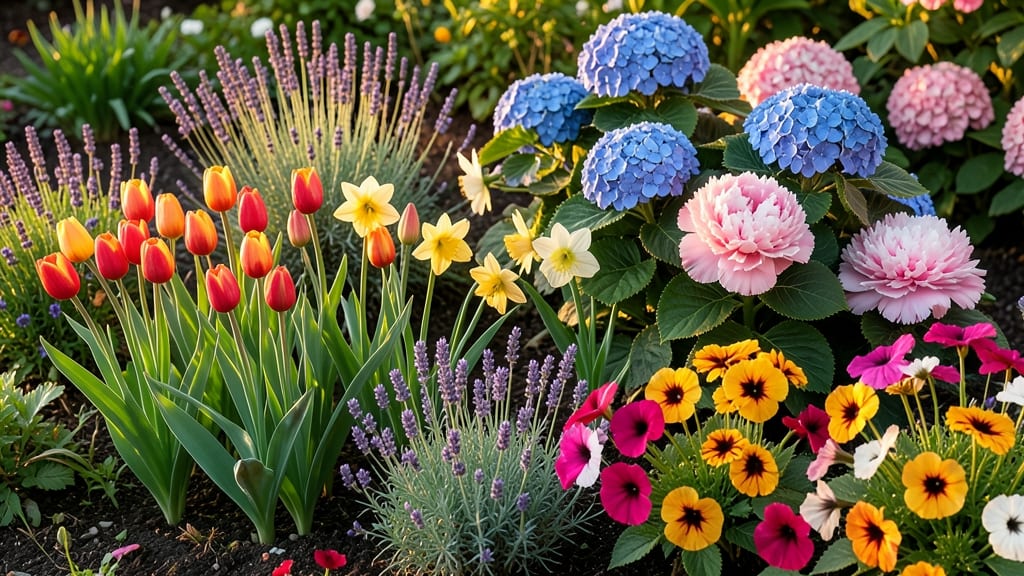
Your garden's color timeline starts with mastering the flower bloom time chart—and knowing when to prune to coax them back. 🌸 Understanding bloom cycles lets you plan for nonstop summer-to-fall color, like how my hydrangeas burst into bloom twice a year with the right cuts.
The secret isn't just timing; it's matching each flower's natural rhythm to your pruning schedule.
Take roses as an example: hybrid teas bloom once on last year's growth, while floribundas rebloom all season if you prune after their first flush. Tulips? They bloom early spring, then fade—unless you plant varieties like Darwin hybrids that last 6 weeks.
Sunflowers? One-and-done unless you grow 'Autumn Beauty' types that produce multiple blooms.
With this knowledge, you'll create a garden that never looks bare. Imagine spring crocuses fading just as peonies take over, then roses stepping in—all planned to overlap seamlessly.
The chart I'll share shows exactly when to expect blooms, when to prune for reblooms, and which flowers play well together season after season.
No more guessing when to cut back or which flowers to pair. This is how you turn a seasonal garden into a year-round showstopper—starting with a simple chart that becomes your gardening bible. Let's get those bloom times locked in!
📚 In This Guide
- What you need
- Instructions
- Tips and common mistakes
- Wrapping up and next steps
What you need
- ○ Notebook or journal – A dedicated flower bloom tracker (lined or grid paper works best). Optional: A spiral-bound notebook for durability.
- ● Permanent markers or fine-tip pens – For clear, long-lasting notes (black or dark colors recommended).
- ● Printed or digital bloom time chart template – A pre-made chart listing common flowers (e.g., roses, hydrangeas, peonies) with their typical bloom seasons. Free templates are available online!
- ● Ruler or measuring tape – To ensure consistent spacing for entries (especially if tracking multiple flowers).
- ● Calendar or planner – For marking pruning deadlines and rebloom triggers (physical or digital).
- ● Digital camera or smartphone – To snap photos of flowers at different stages (bud, bloom, post-bloom).
- ● Pruning shears – Sharp, bypass-style shears (4–6 inches) for clean cuts. Sterilize with rubbing alcohol between plants!
- ● Gloves – Heavy-duty gardening gloves to protect from thorns (e.g., roses) and debris.
- ○ Hand lens or magnifying glass – Optional but helpful for inspecting buds and identifying pests early.
- ● Spray bottle with water – For misting plants after pruning to reduce stress.
- ● Basic understanding of your USDA Hardiness Zone (find yours here).
- ● Access to local gardening resources – Extension office guides, gardening forums, or experienced gardeners in your area.
- ● Patience and observation skills – Flowers bloom at slightly different times each year based on weather and care!
How to use a flower bloom time chart for pruning and rebloom success
Understanding bloom cycles is the secret to keeping your garden in peak flower all season long.
🌿 Step 1: Identify Your Plants' Bloom Type
First, categorize your flowers into one of three bloom groups: spring-bloomers, summer-bloomers, or rebloomers. Spring-bloomers like lilacs and magnolias put all their energy into one showy display, then fade for the year. Summer-bloomers such as zinnias and cosmos produce flowers continuously until frost. Rebloomers like hydrangeas and roses need strategic pruning to encourage multiple bloom cycles.
Check your bloom time chart for each plant's natural cycle. Notice how rebloomers often have a 6-8 week dormant period between their first and second flush of flowers. This is your clue to time pruning for maximum impact. For example, prune your hydrangeas right after their first bloom to trigger the next set of buds.
⏰ Step 2: Mark Key Dates on Your Calendar
Take your bloom time chart and transfer the critical dates to your gardening calendar. Highlight the last frost date in your zone, as this often marks the start of active growth for many perennials. Then note the peak bloom periods for each plant—these are the times when you should avoid heavy pruning, as you'll be cutting off potential flowers.
For rebloomers, circle the 4-6 week window after the first bloom when you should prune to encourage the second flush. This timing ensures you're cutting back when the plant has already stored enough energy to produce another set of buds. I always set a reminder for this date so I don't miss the opportunity.
✂️ Step 3: Prune According to Bloom Type
Spring-bloomers should be pruned immediately after their flowers fade. Cut back to just above the first set of strong buds you see on the stem—this is where next year's blooms will form. For example, with peonies, you'll prune right after their late spring bloom to avoid cutting off the buds for next year's flowers.
Summer-bloomers and rebloomers need a different approach. For these, deadhead spent blooms regularly to encourage continuous flowering. Use clean, sharp pruners and cut just above a set of leaves or a bud. With roses, I make it a habit to check for spent blooms every morning so I can deadhead before they go to seed.
🌱 Step 4: Adjust for Your Climate Zone
Your bloom time chart likely includes general timelines, but you'll need to adjust these based on your specific USDA hardiness zone. Plants in zones 5-7 will have different bloom windows than those in zones 8-10. For instance, camellias in zone 9 bloom in late fall and winter, while those in zone 6 might bloom in late spring.
Pay attention to microclimates in your garden too. A south-facing wall might extend the bloom season for heat-loving plants by 2-3 weeks compared to other areas in your yard. Use these observations to fine-tune your pruning schedule. I've found that my morning-glory vines bloom a full week earlier near the brick wall than they do in the open garden bed.
☀️ Step 5: Monitor and Adjust Throughout the Season
Keep a simple journal noting when each plant blooms and how long the flowers last. Compare your observations with the bloom time chart and adjust your pruning schedule as needed. For example, if you notice your daylilies blooming 3 weeks earlier than the chart predicts, you might want to prune them 2 weeks earlier the following year to better align with their cycle.
Watch for signs of stress in your plants—yellowing leaves, stunted growth, or fewer blooms than expected can signal that your pruning timing is off. If this happens, hold off on pruning for a few weeks and observe how the plant responds. Sometimes, a plant just needs a little more time to recover before it can produce another flush of blooms.
Tips & tricks for mastering your flower bloom time chart
These insights will help you turn your bloom chart from a reference tool into a gardening game-changer.
Bloom Type Visual Cues: In Step 1, when identifying bloom types, look for these telltale signs: spring-bloomers often have thick, woody stems that store energy for next year's flowers, while rebloomers like hydrangeas develop new buds along stems after their first flush. I've learned to check for these visual clues before consulting the chart—it saves time and prevents pruning mistakes.
Calendar Reminder Strategy: For the critical 4-6 week window after first bloom (Step 2), set two reminders: one for the start date and another for the end date. I use my phone's calendar with color-coded events—red for "prune now" and green for "avoid pruning." This visual system prevents me from missing the optimal pruning window that triggers reblooming.
Pruning Tool Essentials: In Step 3, invest in a pair of bypass pruners (not anvil pruners) for clean cuts that heal faster. I also keep a small notebook by my gardening gloves to jot down which plants I've pruned and when. This simple record becomes invaluable when comparing next year's bloom times to your chart.
Zone-Specific Adjustments: When applying Step 4's zone adjustments, remember that microclimates can shift bloom times by up to 3 weeks. I've found that container plants near my patio heaters bloom 2 weeks earlier than those in the ground. Note these variations in your journal—they'll help you create a personalized bloom calendar over time.
Pro Tips for Flower Bloom Time Chart
- These insights will help you turn your bloom chart from a reference tool into a gardening game-changer.
- I've learned to check for these visual clues before consulting the chart—it saves time and prevents pruning mistakes.
- Calendar Reminder Strategy: For the critical 4-6 week window after first bloom (Step 2), set two reminders: one for the start date and another for the end date.
Frequently asked questions
When should I prune flowers to encourage reblooming?
Prune after the first bloom cycle (usually late spring) for most annuals and perennials. For example, deadhead petunias or impatiens every few weeks to trigger reblooms. Woody shrubs like hydrangeas or lilacs should be pruned in early spring (before buds swell) to avoid cutting off next year’s flowers. Always check your plant’s specific chart—some, like peony, bloom on old wood and shouldn’t be pruned!
Why isn’t my flower reblooming like the chart predicts?
Reblooming depends on light, nutrients, and stress factors. If your daylilies or black-eyed Susans skip reblooms, check for:
- Insufficient sunlight (6+ hours/day for most rebloomers).
- Over-fertilizing with high nitrogen (promotes leaves, not flowers).
- Drought or root-bound plants (stress halts blooming).
- Pruning at the wrong time (e.g., cutting back lavender after summer blooms).
Can I force flowers to bloom earlier or later than their charted time?
Yes, but results vary! For earlier blooms, try:
- Starting bulbs indoors (e.g., tulips 6–8 weeks before outdoor planting).
- Using grow lights (14+ hours/day for poinsettias or Christmas cactus).
- Applying bloom boosters (like phosphorus-rich fertilizer) 4–6 weeks before desired bloom.
What’s the best alternative if my flower won’t rebloom?
If a plant refuses to rebloom, consider:
- Replacing it with a reblooming variety (e.g., swap once-blooming peonies for ‘Sarah Bernhardt’ daylilies).
- Adding companion plants that bloom at different times (e.g., salvia + cosmos for continuous color).
- Focusing on foliage (e.g., hostas or heuchera) for year-round interest.
- Trying annuals like zinnia or marigold, which bloom nonstop with deadheading.
Is it okay to prune flowers during their bloom time?
Generally, no—pruning during bloom removes flowers and can stress the plant. Exceptions:
- Deadheading spent blooms (pinching off wilted flowers) encourages more blooms in the same cycle (e.g., geraniums).
- Light thinning overcrowded stems (e.g., roses) to improve airflow.
Wrapping up and next steps
Understanding your garden’s flower bloom time chart and rebloom cycles is the key to a vibrant, year-round display! By mastering pruning triggers and seasonal patterns, you’ll unlock the secrets to healthier plants and more frequent blooms.
Whether you’re a seasoned gardener or just starting, this knowledge empowers you to time your care perfectly—so don’t wait!
Your next step? Grab your pruners, dust off that bloom time chart, and start experimenting! Try pruning one plant this week and observe the difference—you’ll be amazed at how small adjustments lead to big rewards. Happy gardening! 🌸