
Blooming
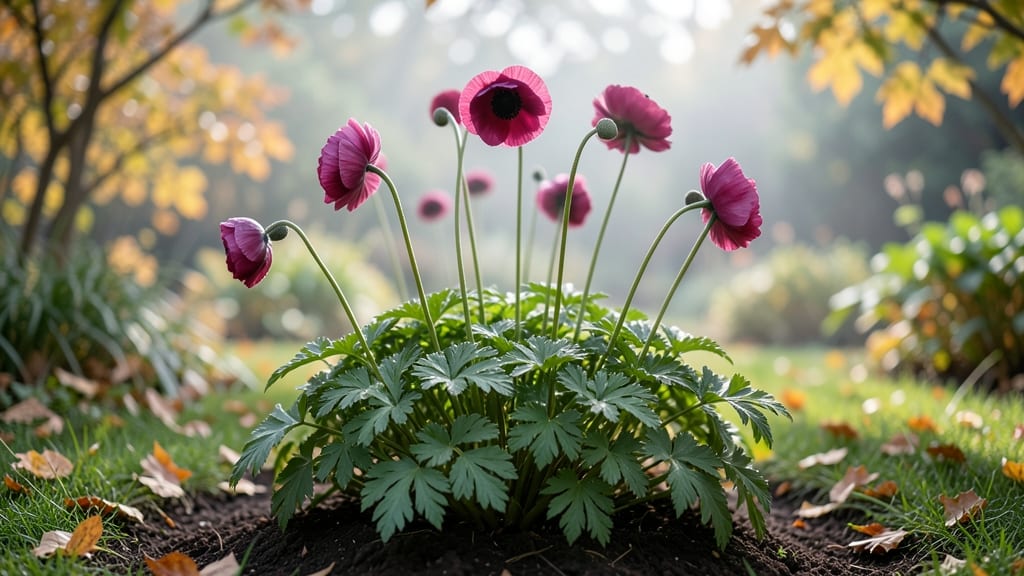
Autumn-blooming flowers bring bold seasonal color to gardens, featuring resilient varieties such as chrysanthemums, asters, and goldenrod that flourish in crisp air and often last until the first frost.
These late-season bloomers have evolved to thrive when many other plants retreat. 🌿 Many, like mums, actually need cooler temperatures to trigger their flowering cycle, while others like sedum develop natural frost resistance through waxy foliage.
The key is their ability to store energy during summer heat, then burst into color when days grow shorter—a trait called photoperiod sensitivity. I've found that planting these varieties in well-draining soil with partial shade protection extends their lifespan even longer, especially in regions with early frosts.
What makes them particularly appealing is their versatility. Whether you're looking for ground cover like heuchera or dramatic cut flowers such as dahlias, autumn bloomers offer options for every garden style.
Their deep hues—from fiery reds to golden yellows—create stunning contrasts against the changing foliage, making them a gardener's secret weapon for late-season interest. Plus, many are pollinator magnets, supporting bees and butterflies when food becomes scarce.
💡 In This Article
- Why Autumn-Blooming Flowers Thrive in Cool Weather
- Top 15 Low-Maintenance Autumn Flowers for Gardeners
Why autumn-blooming flowers thrive in cool weather
Autumn-blooming flowers have evolved remarkable adaptations to survive—and even thrive—when temperatures drop. One key mechanism is photoperiod sensitivity, where shorter daylight hours trigger flowering. For example, chrysanthemums (mums) require 12-14 hours of darkness daily to bloom, a trait called short-day photoperiodism.
This explains why they burst into color as summer fades. 🌸 Meanwhile, species like asters use temperature shifts to break dormancy, storing energy during summer heat to fuel their late-season growth.
The waxy, fleshy leaves of plants like sedum and hen-and-chickens act as natural frost shields, preventing ice crystals from forming in cells. Their thick cuticles also reduce water loss during crisp autumn mornings. Compare this to summer bloomers like petunias, which wilt under 50°F temperatures—they lack these protective adaptations.
Even their root systems adapt: many autumn flowers develop deeper, more extensive roots during summer to access stored moisture when topsoil dries out.
Cooler temperatures also slow metabolic processes, allowing flowers to open more slowly and last longer. This is why a chrysanthemum bouquet stays fresh for 10-14 days in a 65°F room—its cells use energy more efficiently than summer flowers.
The trade-off? Some varieties, like dahlias, need consistent moisture to prevent their tubers from drying out, while others like goldenrod thrive in drought conditions once established. 💧
What most gardeners overlook is how these plants "bank" resources. During summer, they focus on root and foliage growth, storing carbohydrates in stems and leaves. When temperatures drop below 70°F, these reserves fuel rapid flowering—a survival strategy to ensure pollination before winter sets in.
This is why deadheading spent blooms (removing faded flowers) can extend the season by redirecting energy to new growth.
Regional differences matter too. In Zone 5 (where winters drop below -20°F), varieties like Russian sage survive by going dormant, while Zone 8 gardens can grow tropical-sensitive flowers like canna lilies until 32°F arrives.
The secret? Matching your climate zone to a flower's hardiness rating—a number that indicates its cold tolerance.
For example, asters (Zone 3-9) handle -40°F winters, while cosmos (Zone 9-11) need above-freezing conditions. This explains why some autumn flowers thrive in both New England and California—they've adapted to either extreme cold or mild winters.
The takeaway? Choose varieties with hardiness ratings that match your last frost date for reliable blooms. ✨