
Blooming
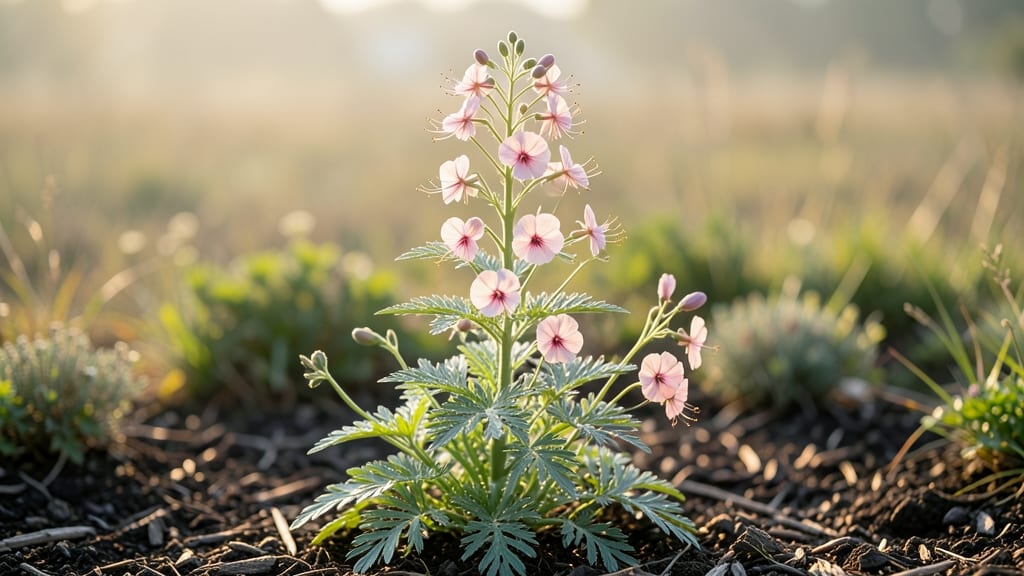
Gaura blooms from early spring through fall 🌸, but the timing can shift dramatically depending on light exposure—something most gardeners overlook until their plants act unpredictable.
Picture this: your gaura bursts into color in April, only to fade by July, leaving you wondering if it’s done for the year. Or maybe it refuses to flower at all until late summer, when the heat already feels relentless.
The secret? Light isn’t just about intensity—it’s about duration, and a few simple adjustments can turn a short bloom season into a six-month show.
In this guide, I’ll break down how sunlight triggers early or late blooms, why some varieties play hard to get, and the easiest tweaks to extend your gaura’s flowering window—no guesswork, just science-backed tips for your zone.
You’ll learn how to read your plant’s light needs, when to prune for a second flush, and why deadheading at the right time makes all the difference. Ready to turn those hit-or-miss blooms into reliable, long-lasting color?
How light exposure controls gaura bloom time by season
Gaura plants, with their delicate lacy flowers and airy stems, follow a seasonal bloom pattern tightly controlled by light exposure. This phenomenon, called photoperiodism, explains why your gaura might burst into bloom in early spring but fade by mid-summer.
Understanding this natural rhythm helps you manipulate conditions to extend flowering or trigger blooms at different times.
The key lies in daylight hours. Gaura plants are short-day plants, meaning they respond to longer nights and shorter days by producing flowers. In spring, when days are still relatively short, gaura receives the ideal light cues for blooming.
As summer arrives and daylight stretches beyond 14 hours, the plant senses these longer photoperiods and often enters a dormant-like state.
Some gaura varieties, like Gaura lindheimeri, may even experience a second bloom in late summer or fall when daylight hours shorten again. This reblooming phase is nature's way of adapting to seasonal changes, but gardeners can influence it with strategic light management and pruning techniques.
🌱
| Season | Daylight Hours | Bloom Behavior | Light Strategy |
|---|---|---|---|
| Spring | 12-14 hours | Peak blooming | Full sun exposure |
| Summer | 14+ hours | Reduced blooms or dormancy | Partial shade or pruning |
| Fall | 10-12 hours | Possible reblooming | Full sun + deadheading |
| Winter | 8-10 hours | Dormant | Minimal light exposure |
In spring, when gaura plants receive 12-14 hours of daylight, they enter their primary blooming phase. This is when you'll see the most vibrant flowers and lush foliage.
To maximize this phase, ensure your gaura is planted in a south-facing location where it gets uninterrupted sunlight from morning until afternoon.
As summer approaches and daylight exceeds 14 hours, gaura plants often reduce flowering or enter a semi-dormant state. This is their way of conserving energy during hot, dry periods.
Instead of fighting this natural cycle, you can prune back up to one-third of the plant in early summer to encourage new growth and potentially stimulate a second bloom later in the season.
For gardeners in warmer climates where summer days remain long, providing light shade during the hottest afternoon hours can help prevent heat stress while still allowing enough morning sunlight to maintain some blooming. A 30-50% shade cloth works well for this purpose.
When fall arrives and daylight hours shorten again, gaura plants may rebloom if given the right conditions. This secondary bloom often occurs in September or October and can be even more prolific than spring if you've maintained the plant well.
To encourage this, deadhead spent blooms regularly and avoid heavy fertilizer applications that promote leafy growth over flowers.
In winter, gaura plants typically go dormant as daylight drops below 10 hours. During this time, focus on minimal care, such as light mulching to protect roots and avoiding pruning until early spring. This dormancy period is crucial for the plant's reblooming potential the following year.
🌿
By understanding how light exposure triggers gaura's bloom cycles, you can extend flowering seasons or even shift bloom times to better suit your garden's needs.
Whether you're aiming for spring color, summer longevity, or fall reblooms, the key is strategic sunlight management combined with proper pruning and watering practices.
Best light conditions for early or late gaura blooms
Gaura plants thrive when positioned strategically in your garden to control their bloom timing. Full sun exposure (6+ hours daily) triggers early spring blooms, while partial shade adjustments can extend flowering into late summer or even fall.
Understanding your USDA climate zone is key—gaura in Zone 5 may need more afternoon shade than those in Zone 8.
For early blooms, place gaura in south-facing beds where morning sun warms the soil quickly after winter dormancy. In hotter climates like Texas or Arizona, afternoon shade prevents bloom fade by reducing heat stress. Light-colored mulch can also reflect excess heat during peak summer months.
Full Sun (6+ Hours Daily)
Pros ✅
- Early blooms in spring (March-April)
- Vibrant color intensity in flowers
- Drought-tolerant once established
Cons ❌
- Summer bloom fade in hot zones
- Requires frequent deadheading
- May bolt in extreme heat
Partial Shade (3-5 Hours Sun)
Pros ✅
- Extended blooms into fall
- Less heat stress in summer
- Slower growth rate (better for containers)
Cons ❌
- Weaker stem structure (may flop)
- Fewer total blooms per season
- Requires well-draining soil to prevent rot
In cooler climates (Zones 3-5), gaura handles full sun beautifully, often reblooming in late summer when temperatures dip. For warmer zones (6-9), use shade cloth (30-50%) during June-August to protect blooms. I’ve seen ‘Whirling Butterflies’ varieties thrive with morning sun only in Zone 7 gardens.
Adjust light conditions gradually—don’t move established plants abruptly, as this can shock roots and delay blooming.
If your gaura struggles in intense afternoon sun, try pruning back overhead branches of nearby trees to filter light naturally. Dwarf varieties like ‘Siskiyou Pink’ often bloom later but last longer with partial shade.
For container gardening, rotate pots weekly to ensure even light exposure. Gaura in pots dry out faster, so morning sun + afternoon shade works best. In urban gardens with limited space, place gaura near east-facing walls for gentle, prolonged sunlight without afternoon heat buildup.
Experiment with light adjustments to match your local microclimate. My Zone 8 garden gaura blooms from April through November with 3 hours of morning sun and dappled afternoon shade—proving that flexibility is key to extending bloom windows naturally. 🌸