
Blooming
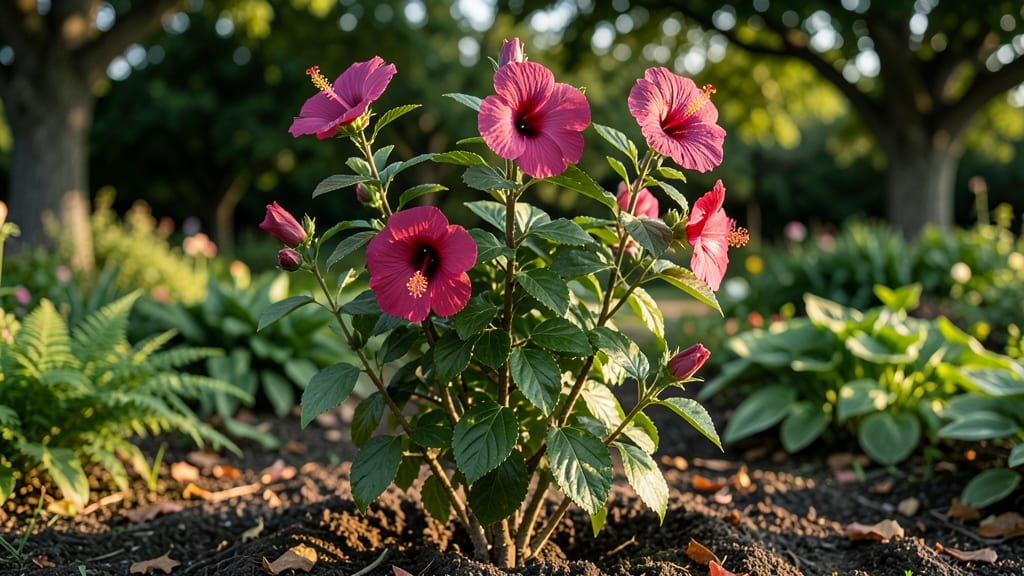
The hardy hibiscus bloom time stretches from late summer through early fall 🌸, offering vibrant color when most gardens start to fade.
If you love vibrant blooms but struggle with short-lived hibiscus, hardy hibiscus varieties could be your perfect solution—with the right planting zone, they’ll reward you with stunning flowers for months.
In USDA Zone 6a, like where I garden, expect blooms to kick off in July and last until the first frost, often stretching into September with proper care. But timing shifts dramatically across zones, from June in the South to August in cooler climates.
Below, I’ll break down the exact bloom windows by zone, how to extend your hibiscus’s show, and the 3 key care tricks that double your flower count—no guesswork needed.
When hardy hibiscus blooms: month-by-month timeline by USDA zone
Hardy hibiscus varieties like Hibiscus moscheutos and Hibiscus syriacus offer gardeners extended bloom seasons compared to tropical hibiscus. Their flowering periods vary dramatically by USDA zone, with some varieties producing two bloom cycles per year.
Understanding these patterns helps you plan for peak color displays and proper care throughout the growing season.
Most hardy hibiscus bloom in either late spring/early summer or late summer/fall, depending on the variety and climate. In warmer zones (9-11), you may see continuous blooms with proper care, while cooler zones (5-8) typically experience a single extended peak.
Let’s break down what to expect month-by-month across the USDA zones 5-11.
In USDA zones 5-6, hardy hibiscus like Hibiscus syriacus typically kick off their blooming season in late June, reaching peak flower production in July and August. These varieties often produce a second flush of blooms in September before winter dormancy sets in.
The Diana variety is particularly reliable in these zones, offering pink blooms that last 3-4 weeks at peak.
Gardeners in zones 7-8 enjoy a more extended display, with Hibiscus moscheutos varieties like Southern Belle blooming from mid-June through October. These plants thrive in moist, well-drained soil and often produce larger flowers (5-8 inches wide) compared to their northern counterparts.
In humid climates, you may even see sporadic blooms into early November.
For those in zones 9-10, hardy hibiscus like Blue Chiffon deliver nearly year-round color when grown in optimal conditions. Early blooms appear in June, with peak flowering stretching from July through October.
The blue and white flowers of this variety stand out beautifully against warm-season foliage, and some gardeners report light blooms continuing into November.
In zone 11, tropical hardy hibiscus varieties can bloom year-round with minimal dormancy. While they may have a peak bloom period from May to November, deadheading spent flowers and providing consistent moisture can encourage light blooming even in winter months.
These varieties often produce smaller but more frequent blooms compared to their northern relatives.
To maximize your hardy hibiscus bloom time, pay attention to local frost dates and adjust pruning schedules accordingly. In cooler zones (5-7), prune in late winter to encourage early blooms, while warmer zones (8-11) benefit from light pruning after each bloom cycle to promote continuous flowering.
Remember that soil moisture and fertilization timing play crucial roles in extending bloom seasons. A balanced 10-10-10 fertilizer applied in early spring and mid-summer can help maintain vigorous growth and abundant flowering throughout the season.
With the right variety for your zone and proper care, your hardy hibiscus can become a garden showstopper that keeps blooming well into fall—or even winter in warmer climates! 🌸
How to extend hardy hibiscus bloom time with pruning and care
Hardy hibiscus thrives on consistent care, and with the right techniques, you can turn a single summer burst of blooms into months of vibrant flowers.
The secret lies in seasonal pruning, deadheading, and targeted care—all designed to encourage your plant to focus energy on producing more buds instead of seeds or new growth. I’ve found that combining these methods can extend bloom time by up to 6-8 weeks in ideal conditions.
Start by understanding your hibiscus’s natural growth cycle. These shrubs typically bloom from mid-summer to early fall, but with proper intervention, you can coax them into flowering earlier or later in the season.
The key is to prune at the right time, feed strategically, and water wisely—all while keeping an eye on the plant’s overall health. Let’s break down the proven steps to maximize those stunning blooms all season long.
5 Proven Techniques to Extend Bloom Time
-
1. Deadhead Regularly
Remove spent blooms by cutting the stem just above a leaf node. This prevents seed formation and redirects energy to new buds. -
2. Prune for Airflow
Trim overcrowded branches in early spring to improve circulation, reducing disease risk and encouraging stronger growth. -
3. Feed with Phosphorus
Use a 10-10-10 fertilizer in late spring and early summer to boost flowering. Avoid high-nitrogen feeds—they promote foliage over blooms. -
4. Water Deeply in Morning
Soak the root zone to a depth of 12 inches every 3-5 days during peak bloom. Avoid evening watering to prevent fungal issues. -
5. Mulch for Moisture
Apply 2-3 inches of mulch around the base to retain moisture and regulate soil temperature, which supports consistent blooming.
One of my favorite tricks is light pruning in early summer to stimulate a second flush of blooms. After the initial summer bloom, I’ll trim back about one-third of the oldest stems to the nearest bud.
This encourages the plant to produce new shoots, which often translate into a late-summer or early-fall bloom cycle. Just be sure to use sterilized shears to avoid introducing diseases to your hibiscus.
Soil health plays a critical role too. Hardy hibiscus prefers well-draining, slightly acidic soil with a pH between 6.0 and 7.0. If your soil is heavy clay or overly alkaline, amend it with compost or peat moss before planting.
I’ve seen a dramatic improvement in bloom quantity when I added a slow-release fertilizer at planting time—it gives the plant a steady nutrient supply without the risk of over-fertilization.
Don’t overlook the power of light. While hardy hibiscus tolerates partial shade, full sun (6+ hours daily) is non-negotiable for maximum blooms. If your plant isn’t flowering as expected, check its location.
A south-facing spot with afternoon shade in hot climates (like Zones 8-11) often yields the best results. In cooler zones (5-7), morning sun is ideal to prevent frost damage.
Finally, keep an eye out for pests and diseases, which can stress your plant and shorten bloom time. Common culprits like aphids or spider mites can be controlled with neem oil or insecticidal soap.
If you notice yellowing leaves or black spots, prune affected areas immediately and improve airflow around the plant to prevent further issues. With these care techniques, your hardy hibiscus could keep you in blooms from late June through October—or even later with a little extra attention! 🌸