
Blooming
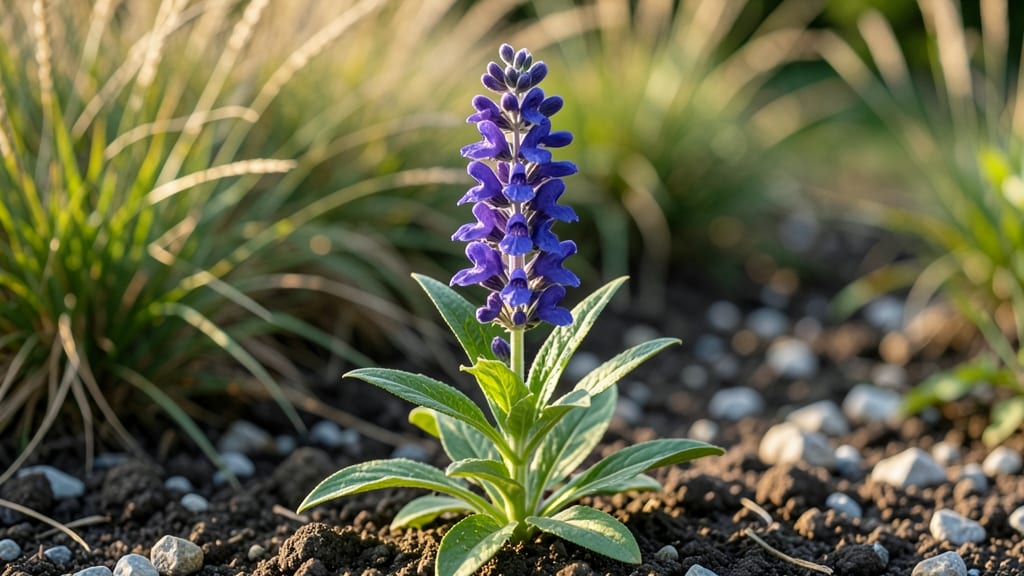
Speedwell blooms in late spring through summer, with those signature purple spikes appearing most reliably between May and September—but the exact timing depends on your USDA zone.
If you’ve ever wondered why your Speedwell plants sometimes bloom early and other times lag behind, the answer lies in their USDA zone—and understanding when to expect those iconic purple spikes can make all the difference in planning your garden’s seasonal highlights.
In Zone 6a, where many gardeners grow Speedwell, you’ll typically see the first blooms in May, with peak flowering stretching into July. But cooler zones like 3-5 may delay things until June, while warmer regions (7-10) can enjoy early blooms as soon as April.
Below, I’ll break down the best months for each zone, share pro tips to extend those vibrant blooms, and suggest companion plants to keep your Speedwell thriving all season long.
When Speedwell blooms by USDA zone: exact months for purple spikes
Speedwell (Veronica spp.) is one of those reliable perennials that rewards patient gardeners with vibrant purple spikes year after year. But the exact timing of those iconic blooms depends heavily on your USDA zone.
In cooler zones like 3-5, expect a later start, while zones 7-10 often see earlier, more extended flowering. Understanding these patterns helps you plan companion plantings and create a sequential bloom garden that stays colorful all season.
Most Speedwell varieties—especially Veronica spicata and Veronica incana—follow a predictable pattern: early spring to early summer for peak blooms, with some cultivars offering late-season reblooms. However, microclimates and elevation changes can shift these windows by 2-4 weeks.
For example, a zone 6 garden at 5,000 feet might mirror a zone 5 garden at sea level.
The summary-table below breaks down the exact bloom windows for popular Speedwell cultivars across USDA zones 3-10, including early, peak, and extended flowering periods. Use this as your guide to time deadheading, fertilizing, and companion planting for maximum impact.
In zones 3-4, where winters are harsh, Speedwell often waits until late May to burst into bloom, with peak flowering in June-July. This delay gives you time to plant cool-season companions like lungwort or bleeding heart for an early-season show.
The extended blooms into early August mean you can pair Speedwell with late-summer perennials like black-eyed Susans for seamless transitions.
Gardeners in zones 5-6 enjoy a 2-3 week earlier start, with mid-May blooms and a longer peak season. This makes Speedwell perfect for cut flower gardens, as you can harvest fresh spikes from late May through July.
The late-summer rebloom in August is a bonus for those who deadhead regularly—a technique I’ll cover in the next section.
Southern gardeners in zones 7-10 get the earliest and longest Speedwell blooms, with some varieties like Veronica longifolia producing two bloom cycles: one in spring and another in fall.
In zone 9-10, you can even enjoy winter blooms with Veronica pectinata, adding color to otherwise bare gardens. This makes Speedwell a year-round workhorse in milder climates.
Pro tip: If you’re in a transitional zone (like 6b-7a), watch for unpredictable frost dates. I’ve seen Veronica spicata buds damaged by late frosts in zone 7, so mulch heavily in fall to protect emerging shoots.
Conversely, over-wintering in zone 4 requires extra insulation—I use straw mulch and burlap wraps for container-grown Speedwell.
For container gardens, timing shifts slightly. Potted Speedwell in zone 5 might bloom 1-2 weeks later than in-ground plants due to temperature fluctuations. To sync blooms, move containers to sheltered microclimates (like near south-facing walls) in early spring. This trick has helped me extend my
How to extend Speedwell bloom time naturally: pruning and care tips
Speedwell (Veronica spp.) is famous for its vibrant purple spikes, but many gardeners struggle to keep them blooming longer than a few weeks. The key to extending their bloom time lies in understanding their natural growth cycle and making small adjustments to your care routine.
With the right techniques, you can enjoy those cheerful flowers from early summer well into fall.
One of the biggest mistakes I see is skipping deadheading—a simple task that can double your Speedwell's flowering season. When you remove spent blooms regularly, the plant redirects its energy to producing new flowers instead of seeding. This small habit can transform a short-lived display into a months-long showcase.
⚠️ callout-warning
⚠️ Avoid These Speedwell Bloom Killers
- Overwatering causes root rot, stunting growth and shortening bloom time.
- Too much shade (less than 4 hours of sun) weakens stems and reduces flowering.
- Late pruning (after July) removes next year's flower buds.
These common mistakes can cut your Speedwell's bloom season by 30-50%—fix them now!
Let's start with pruning, which is the foundation of extended blooms. I recommend pruning your Speedwell twice a year: first in early spring to shape the plant, and again after the first flush of blooms in late spring.
Use clean, sharp pruning shears and cut back about one-third of the plant's height to encourage bushier growth and more flower stems.
Next, focus on soil moisture balance. Speedwell thrives with consistently moist (not soggy) soil. I water mine deeply twice weekly during peak summer months, allowing the top inch of soil to dry slightly between waterings.
A mulch layer (2-3 inches of organic mulch) helps retain moisture while keeping roots cool—a perfect combination for prolonged blooming.
Light exposure plays a crucial role too. While Speedwell tolerates partial shade, it blooms most prolifically with 4-6 hours of morning sun. If your plants are in too much shade, consider transplanting them to a sunnier spot.
I've found that east-facing locations work beautifully—they get gentle morning light without the harsh afternoon sun that can stress the plants.
Finally, don't forget about fertilization. A light feeding of balanced fertilizer (5-10-10) every 4-6 weeks during the growing season gives your Speedwell the nutrients it needs for continuous blooming.
I always apply fertilizer in early morning when the soil is moist, which helps prevent root burn and ensures the nutrients are absorbed efficiently.
With these natural care techniques, you'll transform your Speedwell from a short-term bloomer to a long-season star of your garden.
The secret is consistency—regular pruning, proper watering, and just the right amount of sunlight will reward you with purple spikes that last from June through September or even longer in favorable climates. 🌷