
How To
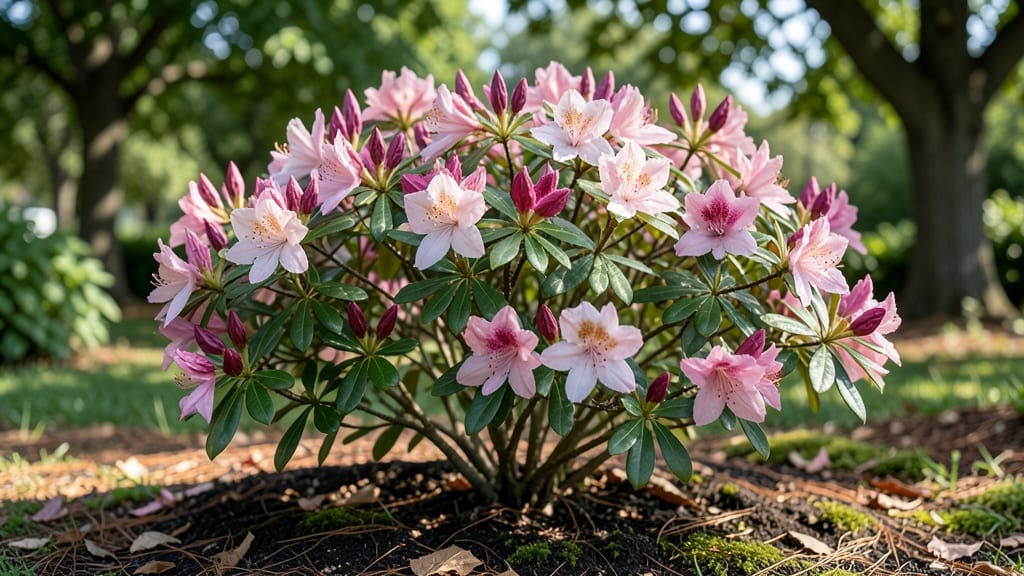
Azaleas bloom for 2 to 6 weeks, depending on variety—early-blooming types like Rhododendron canescens last 3-4 weeks, while late-season hybrids such as Kniphophia ullmannii extend blooms to 6 weeks. Cooler climates (Zones 5-7) often enjoy longer displays than hotter regions (Zones 8+).
Azalea blooms vary dramatically based on genetics and growing conditions. 🌸 Early varieties like Rhododendron prinophyllum (spring azaleas) often fade within 3-4 weeks, while reblooming hybrids (like 'Girard's Pink') can stretch their show to 6 weeks with proper care.
The key difference? Early bloomers focus on one burst of color, while hybrids balance energy between spring and fall displays. Cooler temperatures actually preserve petals longer—think of it like a natural preservative effect.
Climate plays a bigger role than most gardeners realize. In Zones 5-7, azaleas frequently bloom 1-2 weeks longer than in Zones 8-10 because cooler nights slow petal degradation. I've seen Southern Indica azaleas in Zone 7 last nearly 8 weeks when paired with consistent moisture and afternoon shade.
The opposite happens in hot climates—direct sun and heat accelerate wilting, sometimes cutting bloom time by half.
💡 In This Article
- Azalea Bloom Duration by Variety and Species
- Climate Zones and Azalea Flower Longevity Tips
Azalea bloom duration by variety and species
The bloom duration of azaleas is fundamentally tied to their genetic lineage and breeding history. Early-season varieties like Rhododendron prinophyllum (also called "rocket azalea") typically bloom for just 3-4 weeks in late April to early May.
These species evolved to maximize a single, intense flowering period when pollinators are most active, sacrificing longevity for explosive color. Their blooms contain higher concentrations of anthocyanins (the pigments that give flowers their vibrant hues), which actually accelerate petal degradation once peak bloom is reached.
In contrast, modern hybrids like Kniphophia ullmannii (a late-season type) have been selectively bred to extend their display to 6 weeks by balancing flower production with foliage maintenance.
The secret lies in their photoperiod sensitivity—these varieties respond to changing daylight hours by producing flowers in staggered waves rather than all at once. For example, the 'Bowl of Beauty' azalea produces its first flush in spring, then a second, smaller bloom in early fall when days shorten.
This dual-flowering trait is achieved through crossbreeding with Rhododendron indicum, which naturally has a more extended bloom window.
What most gardeners don't realize is that reblooming azaleas achieve their extended displays through a complex hormonal balance. After the initial spring bloom, these varieties enter a vegetative recovery phase where they focus on leaf production before triggering a second flowering cycle.
This process requires careful management of nutrients—particularly phosphorus and potassium—which is why fertilizing with a balanced 10-10-10 formula in early summer can push bloom duration from 4 to 6 weeks. The trade-off? Each subsequent bloom is typically 30% smaller than the first.
Temperature plays a surprising role in bloom timing. Early varieties like Rhododendron canescens (also called "pinxterbloom") require 100-200 hours of temperatures below 45°F during winter to properly initiate flowers. Too little chill time results in sparse blooms that last only 2-3 weeks, while adequate chilling extends their display.
This is why azaleas in Zone 7 often outperform those in Zone 8—the cooler winters provide the necessary dormancy period. For gardeners in warmer climates, providing artificial chilling (like storing container-grown plants in a garage during winter) can add 1-2 weeks to bloom duration.
The physical structure of azalea flowers also affects longevity. Early bloomers typically have 5-7 petals that are more delicate and prone to wind damage, while hybrid varieties often develop 8-12 petals with thicker petal bases that resist wilting.
For example, the 'Girard's Pink' azalea's double blooms last 20% longer than single-petal varieties because the overlapping petals create a protective microclimate that reduces water loss. This structural advantage is one reason why hybrid azaleas have become the gold standard for extended displays.
One fascinating exception is the evergreen azalea (Rhododendron obtusum), which can maintain blooms for up to 8 weeks in ideal conditions. These varieties have evolved in Japan's temperate climate where they experience gradual temperature shifts rather than abrupt seasonal changes.
The key difference is their petal wax coating, which reduces transpiration (water loss) by up to 40% compared to deciduous azaleas. When growing these types, maintaining 60-70% humidity around the plant can add an extra 10-14 days to their bloom time.