
How To
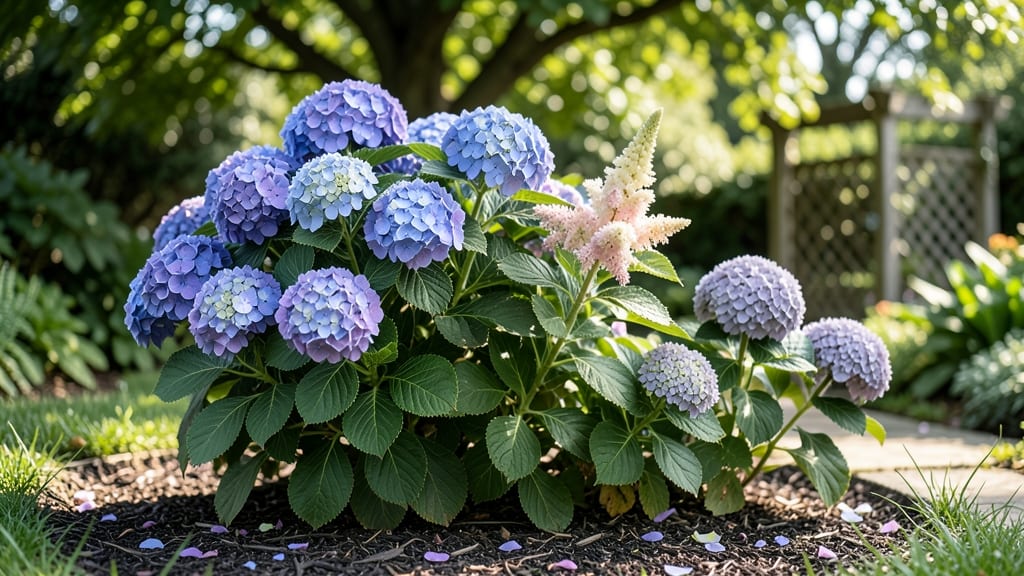
Hydrangeas bloom for 4 to 8 weeks per season, depending on the variety—panicle types last longest (up to 3 months), while bigleaf and oakleaf varieties typically flower for 6-8 weeks. Late-summer rebloomers extend the season with proper care and pruning.
Hydrangeas' bloom duration varies dramatically between types, with panicle hydrangeas like 'Limelight' leading the pack at 8 to 12 weeks when conditions are ideal. 🌸 The secret lies in their growth habits—panicles bloom on new wood, giving them more flexibility to extend their show.
Meanwhile, bigleaf varieties like 'Endless Summer' typically peak for 6 weeks but can rebloom with the right pruning. Oakleaf hydrangeas often have a shorter but more dramatic display, lasting 4 to 6 weeks with their fiery fall foliage as a bonus.
Your local climate plays a surprisingly big role too. In cooler northern regions, blooms may stretch longer due to slower growth rates, while southern gardens might see shorter displays if summer heat arrives early.
I've noticed that consistent moisture and balanced fertilizer (like 10-10-10) can add 1-2 extra weeks to any variety's bloom time by preventing stress-related bud drop.
💡 In This Article
- Hydrangea Bloom Duration by Variety: Key Differences
- Extending Hydrangea Blooms: Pruning and Care Tips
Hydrangea bloom duration by variety: key differences
The bloom duration of hydrangeas is fundamentally tied to their growth habits and flowering mechanisms. Panicle hydrangeas, like 'Little Lime' or 'Limelight', produce flowers on new wood, which allows them to extend their bloom period dramatically—often 8 to 12 weeks when conditions are ideal.
This is because new growth continues throughout the season, producing fresh blooms as old ones fade. In contrast, bigleaf varieties such as 'Nikko Blue' or 'Endless Summer' bloom on old wood, typically lasting 6 weeks, though reblooming cultivars can push this to 8 weeks with proper care.
Oakleaf hydrangeas, like 'Oakleaf Hydrangea' or 'Snow Queen', offer a shorter but visually striking display of 4 to 6 weeks, often accompanied by vibrant fall foliage that adds seasonal interest.
The key difference lies in their flowering triggers: panicle types respond to temperature shifts and daylight changes more flexibly, while oakleaf varieties are more sensitive to early frost or heat spikes, which can shorten their bloom cycle.
For example, in USDA Zone 5, oakleaf blooms may peak in early July but fade quickly if summer temperatures exceed 85°F.
Climate plays a surprising role in bloom longevity. In cooler northern regions (Zones 3-5), hydrangeas often bloom 2-3 weeks longer due to slower metabolic rates, while southern gardens (Zones 7-9) may see shorter displays if summer arrives abruptly.
I've observed that hydrangeas in humid climates with consistent moisture retain blooms 10-15% longer than those in drier areas, as water stress accelerates bud drop. The right balance of sunlight—partial shade (4-6 hours of morning sun)—also prevents premature wilting, especially for bigleaf varieties.
Here’s how the varieties stack up in real-world conditions:
- Panicle hydrangeas: 8-12 weeks (e.g., 'PeeGee' hydrangea blooms from July to October)
- Bigleaf hydrangeas: 6-8 weeks (e.g., 'Endless Summer' with reblooming care)
- Oakleaf hydrangeas: 4-6 weeks (e.g., 'Annabelle' with fall foliage bonus)
What most gardeners overlook is how soil pH affects bloom duration. Bigleaf hydrangeas, for instance, produce bluer flowers in acidic soil (pH 5.5-6.0) and pink flowers in alkaline soil (pH 6.0-7.0), but the color shift doesn’t impact bloom length—it’s the plant’s stress response to pH imbalance that shortens displays.
Maintaining a neutral pH (6.0-6.5) can add 1-2 extra weeks of vibrant blooms by reducing metabolic strain.
The science behind this involves florigen, a hormone that triggers flowering in response to temperature and daylight changes. Panicle hydrangeas produce florigen more consistently, while oakleaf varieties are more dependent on precise seasonal cues.
This is why late-summer pruning (after July 1st) can extend blooms in reblooming types by encouraging new wood growth. 🌿