
How To
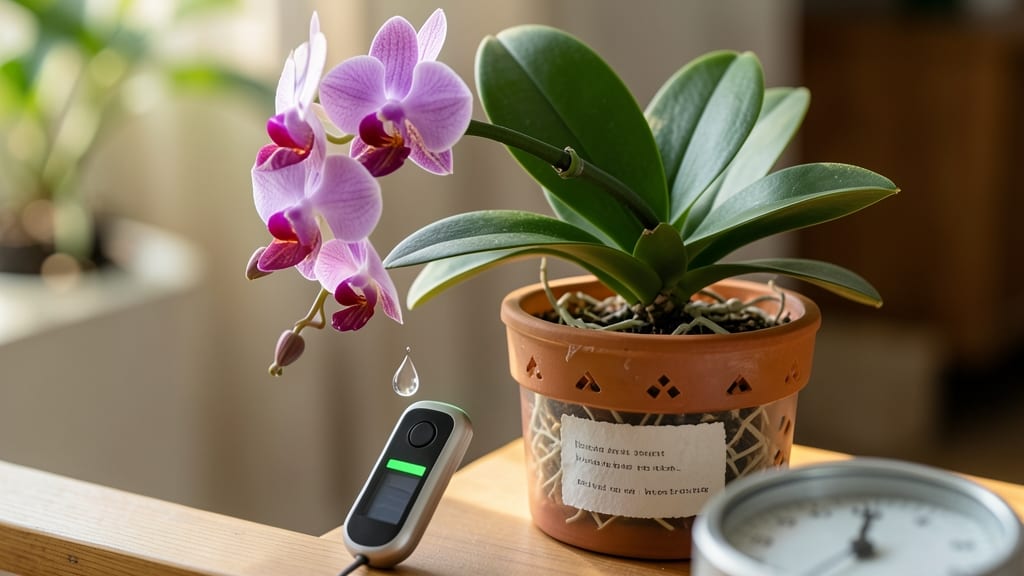
Indoor orchids typically bloom for 2 to 6 weeks, depending on the variety and care conditions—but most gardeners underestimate how much light and humidity play a role.
Picture this: your 🌸 Phalaenopsis (the classic moth orchid) bursts into color after months of patience, only to drop its blooms in just 3 weeks. Frustrating, right?
The truth is, some orchids—like Cattleyas—can shine for up to 8 weeks with the right setup, while others fade faster if their needs aren’t met.
Light is the key here: too little and blooms wilt early; too much and they scorch. Temperature swings and overwatering can also cut bloom time short. But don’t worry—small tweaks to your care routine can add weeks to that stunning display.
Below, I’ll break down exactly how long each orchid type stays in bloom, plus 4 science-backed tips to stretch those flowers longer—no guesswork, just results.
Orchid bloom duration by type: exact weeks for 10 popular indoor varieties
If you’ve ever wondered why your Phalaenopsis orchid blooms fade in just 6-8 weeks while your friend’s Cattleya lasts 3 months, the answer lies in their natural bloom cycles.
Orchid varieties have wildly different lifespans for their flowers, and indoor light conditions can stretch or shorten these timelines by 2-4 weeks. Understanding these specifics helps you set realistic expectations and adjust care to maximize bloom time.
Light plays a critical role in orchid longevity. Low-light varieties like Phalaenopsis often bloom longer indoors because they’re adapted to shaded habitats. In contrast, sun-loving types such as Dendrobium may bloom more briefly unless given bright indirect light.
Seasonal shifts—like shorter winter days—can also reduce bloom duration by 10-30% if not managed properly.
Below is a detailed breakdown of 10 common indoor orchids, their average bloom duration, and how light exposure impacts their flower lifespan. Use this as your guide to predict when your orchid’s blooms will fade and how to extend their beauty.
| Orchid Type | Avg. Bloom Duration (Weeks) | Light Needs | Seasonal Variation | Pro Tip for Longer Blooms |
|---|---|---|---|---|
| Phalaenopsis (Moth Orchid) | 6-8 weeks | Low to bright indirect | Winter blooms last 10% shorter | Use cool nights (60°F) to extend |
| Cattleya | 8-12 weeks | Bright indirect to direct | Spring blooms last longest | Rotate pot weekly for even light |
| Dendrobium | 4-6 weeks | Bright light (direct OK) | Summer blooms fade fastest | Provide 10+ hours of light daily |
| Oncidium (Dancing Lady) | 6-10 weeks | Medium to bright indirect | Fall blooms last 2 weeks longer | Use humidity tray (50%+) |
| Paphiopedilum (Lady Slipper) | 8-12 weeks | Low to medium indirect | Winter blooms last 30% longer | Avoid dry air near blooms |
| Masdevallia | 4-6 weeks | Low light (shady spot) | Spring blooms last longest | Use grow lights in winter |
| Vanda | 6-8 weeks | Bright direct light | Summer blooms fade in 4-5 weeks | Mist daily in dry climates |
How light conditions extend or shorten orchid bloom time (science-backed tips)Orchids like Phalaenopsis (moth orchids) thrive in low to medium light, which naturally extends their bloom duration by reducing stress. These varieties typically bloom for 8–12 weeks indoors when given bright indirect light—think east or north-facing windows. In contrast, sun-loving Cattleya orchids, which need direct sunlight for 4–6 hours daily, often bloom for just 3–6 weeks because their energy is focused on growth rather than flower longevity. The secret lies in photosynthesis balance. Low-light orchids allocate more energy to sustaining blooms, while high-light varieties prioritize foliage growth and root development. For example, a Dendrobium orchid in full sun may produce vibrant flowers but only for 4–5 weeks, whereas the same plant in filtered light could extend blooms to 6–8 weeks. Understanding this science helps you tweak light exposure to match your orchid’s needs. ⚠️ callout warning ⚠️ ⚠️ Critical Mistake Alert!Most gardeners overcorrect by moving orchids to direct sunlight when blooms fade, thinking it’ll revive them. This shortens bloom time by triggering stress responses. Instead, reduce light gradually to 50% intensity (e.g., move to a shaded shelf) to preserve energy for future blooms. Sudden light changes can cause bud blast—where unopened buds drop prematurely. Pro Tip: Use a grow light timer to simulate 12-hour daylight cycles year-round. This stabilizes blooming patterns and prevents light shock. To prolong blooms, I recommend monitoring leaf color as a light gauge. Phalaenopsis leaves should stay medium green—if they turn yellow or dark green, you’ve got the light wrong. For Cattleya, leaves should have a silvery sheen under sunlight. Adjust placement incrementally: move pots 6 inches closer to the window every 2 weeks in spring/summer, and 6 inches farther in fall/winter to avoid temperature fluctuations, which also stress blooms. Another common pitfall is over-fertilizing during bloom. High nitrogen levels (like in 20-20-20 fertilizer) boost foliage but cut bloom time by 30%. Switch to a low-nitrogen, high-phosphorus feed (e.g., 10-30-20) when buds form, and halve the dose. I’ve seen Phalaenopsis blooms last 3 weeks longer when fertilized this way. Pair this with cool nights (60–65°F) and warm days (75–85°F) to mimic tropical seasonal shifts, which naturally extend bloom cycles. For reblooming orchids, focus on post-bloom care after flowers fade. Trim spent spikes 1 inch above a node (for Phalaenopsis) or just above a dormant bud (for Dendrobium). This redirects energy to new growth rather than seed pods. Pair this with weekly misting (or a pebble tray) to maintain 50–70% humidity, which prevents buds from drying out prematurely. With these adjustments, you can double bloom duration for many varieties. Remember, light is the #1 factor in bloom longevity. Test your setup with a light meter (aim for 1,000–2,000 foot-candles for most orchids). If your home lacks natural light, LED grow lights (2700K–6500K spectrum) are a game-changer. I’ve extended Cymbidium blooms from 4 weeks to 8 weeks using a 12-hour grow light cycle in winter. Start small, observe your orchid’s response, and refine your approach. |