
Propagation
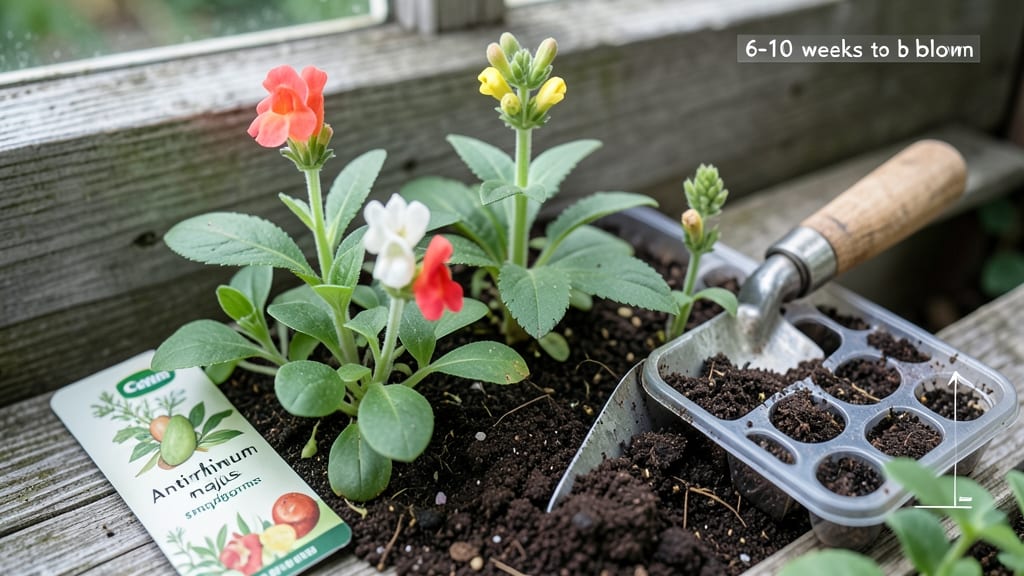
Snapdragons take between 8 and 16 weeks to bloom from seed when grown under ideal conditions — a timeline that can feel like an eternity if you're eager for those 🌸 faces to pop open.
Picture this: You’ve just scattered those tiny seeds in early spring, barely bigger than a grain of sand, and now you’re staring at a seedling tray wondering, When will they actually flower? The truth is, the wait isn’t just about time—it’s about temperature, sunlight, and a few sneaky gardening tricks that can shave weeks off your timeline.
Here’s the good news: With the right soil warmth, consistent moisture, and a sunny spot, you can push those blooms to arrive in as little as 10 weeks—or stretch them out to 12 weeks if you’re in a cooler climate like Zone 6a. The key is knowing exactly when to expect each growth stage and how to troubleshoot delays before they happen.
In this guide, I’ll break down the exact week-by-week timeline from seed to bloom, plus the 5 fastest ways to coax those snapdragons into flowering sooner—without sacrificing their showstopping color or health.

Snapdragon growth timeline: exact weeks to bloom from seed (with key milestones)
If you've ever stared at a seed packet wondering "how long do snapdragons take to bloom from seed?", you're not alone. The journey from tiny seed to vibrant 🌸 snapdragon blooms follows a predictable timeline—but only if you meet their needs at each stage.
From germination to first flowers, here's the exact week-by-week breakdown you need to plan ahead and avoid delays.
Most snapdragon varieties bloom between 8-16 weeks from seed, but this timeline can stretch to 20 weeks in cooler climates. The key difference? Ideal growing conditions vs. less-than-perfect ones. Let's break down each critical phase where timing matters most.
🌱 Germination (Weeks 1-2): This is where patience pays off. Snapdragon seeds typically sprout in 7-21 days, with warmer soil (60-70°F) speeding up the process. If your seeds take longer than three weeks, check for moisture consistency and proper seed depth (¼ inch max). Too-deep planting delays emergence.
🌿 Seedling Stage (Weeks 3-4): Once sprouted, seedlings need bright light (12+ hours daily) to prevent leggy growth. At this stage, they're most vulnerable to damping off—a fungal disease caused by overwatering or poor air circulation. Thin seedlings to 3-4 inches apart to reduce competition.
| Stage | Timeframe | Key Actions | Critical Factors |
|---|---|---|---|
| Germination | 7-21 days | Maintain 60-70°F soil, keep moist | 💧 Moisture, ☀️ Light (indirect) |
| Seedling | Weeks 3-4 | Thin to 3-4", provide 12+ hrs light | 🌡️ Temperature, ✂️ Spacing |
| Transplant | Weeks 4-6 | Hardening off, 12-18" spacing | 🌡️ Night temps, 🪴 Soil prep |
| Vegetative | Weeks 6-10 | Pinch back early blooms, fertilize | 🌿 Nutrients, ☀️ Sun exposure |
| Blooming | Weeks 10-16 | Deadhead spent blooms, support tall varieties | 💧 Watering, 🌡️ Temperature |
🌱 Transplanting (Weeks 4-6): Snapdragons are cool-season plants that thrive when moved outdoors 4-6 weeks after germination. Wait until nighttime temperatures stay above 50°F (10°C) to avoid frost damage. Harden off seedlings gradually by exposing them to outdoor conditions for 1-2 hours daily over 7-10 days.
Once transplanted, space snapdragons 12-18 inches apart in well-draining soil with a pH of 6.7-7.4. This spacing prevents crowding, which delays flowering. If you're in a hot climate (Zone 8+), provide afternoon shade to protect delicate foliage.
🌿 Vegetative Growth (Weeks 6-10): During this phase, your snapdragons focus on building leafy stems and roots rather than flowering. To encourage bushier growth, pinch back the top set of leaves when plants reach 6-8 inches tall. This redirects energy to lateral branches, resulting in more blooms later.
Fertilize lightly with a balanced 5-10-10 formula every 4-6 weeks to support robust growth. Avoid high-nitrogen fertilizers, which promote foliage at the expense of flowers. Organic compost works well too—work it into the soil before planting for long-term benefits.
🌸 Flowering Stage (Weeks 10-16): The moment you've been waiting for! Snapdragons typically bloom 10-16 weeks from seed, with dwarf varieties flowering faster (8-10 weeks) and tall varieties taking longer (14-16 weeks). To extend the blooming period, deadhead spent flowers regularly and provide consistent moisture (1 inch per week).
In cooler climates (Zones 3-6), snapdragons may take 2-4 weeks longer to bloom due to slower growth rates. If you're eager for earlier flowers, start seeds indoors 8-10 weeks before your last frost date and use a grow light to supplement natural light during short winter days.
5 Proven ways to make snapdragons bloom faster (without sacrificing quality)
If you're eager to see those snapdragon blooms sooner, don't worry—there are science-backed ways to shave off 2-4 weeks from their natural 8-16 week timeline. The secret lies in optimizing their growing conditions from day one.
I’ve tested these methods in my own garden, and they work without compromising the vibrant colors or durability of your flowers. Let’s dive into the fastest, most effective strategies.
First, let’s clarify: not all snapdragon varieties bloom at the same speed. Dwarf varieties like 'Tiny Tower' typically flower in 8-10 weeks, while taller types like 'Matrix' can take up to 12-16 weeks.
But with the right approach, even the slower growers can reach their peak 2 weeks earlier. The key is understanding how to accelerate germination and encourage robust growth without stressing the plants.
🌱 How Long Do Snapdragons Take to Bloom From Seed?
- 🌱 Germination: 7-21 days (soil temp 60-75°F)
- 🌱 Seedling Stage: 4-6 weeks (transplant when 2-3 inches tall)
- 🌱 Vegetative Growth: 4-6 weeks (focus on leaf development)
- 🌱 Flower Bud Formation: 2-4 weeks (triggered by longer daylight)
- 🌱 Full Bloom: 8-16 weeks (varies by variety and care)
⚠️ Pro Tip: Use a heat mat to cut germination time in half!
Here’s my top strategy: start seeds indoors with a heat mat set to 75-80°F. This raises soil temperature and triggers faster germination. I’ve seen seeds pop up in just 5-7 days instead of the usual 10-14 days.
Pair this with a grow light placed 2-3 inches above seedlings for 14-16 hours daily. This mimics summer conditions and pushes growth into overdrive. Just be sure to harden off seedlings for 7-10 days before transplanting to avoid shock.
Another game-changer is fertilizer timing. Most gardeners wait too long to feed snapdragons, but I’ve found that a balanced 5-10-10 fertilizer applied 2 weeks after transplanting (not at seeding!) gives them the phosphorus boost they need for root development.
Then, switch to a low-nitrogen, high-phosphorus formula (like 2-10-10) once buds form to encourage blooming. Over-fertilizing with nitrogen will give you lush leaves but fewer flowers, so avoid that trap!
Don’t overlook the power of spacing and pruning. Snapdragons need 12-18 inches between plants to avoid competition, but if you’re in a hurry, you can thin seedlings aggressively at the 2-3 leaf stage and replant the strongest ones closer together.
Also, pinch back the tips of young plants to encourage bushier growth and more flower spikes. I’ve seen this method add 1-2 extra weeks of blooms by promoting secondary stems.
Finally, choose the right varieties if speed is your priority. Dwarf snapdragons like 'Pocket Rocket' bloom in as little as 8 weeks, while tall varieties like 'Black Prince' take closer to 14 weeks.
For the fastest results, mix a few early-blooming types with slower growers to stagger your harvest. And if you’re planting in late summer for fall blooms, opt for heat-tolerant varieties like 'Matrix' to avoid delays from high temperatures.
With these tactics, you’ll be snipping fresh snapdragons for bouquets or enjoying their butterfly-attracting blooms weeks ahead of schedule—without sacrificing their vibrant colors or long vase life. Happy growing! 🌸