
Blooming
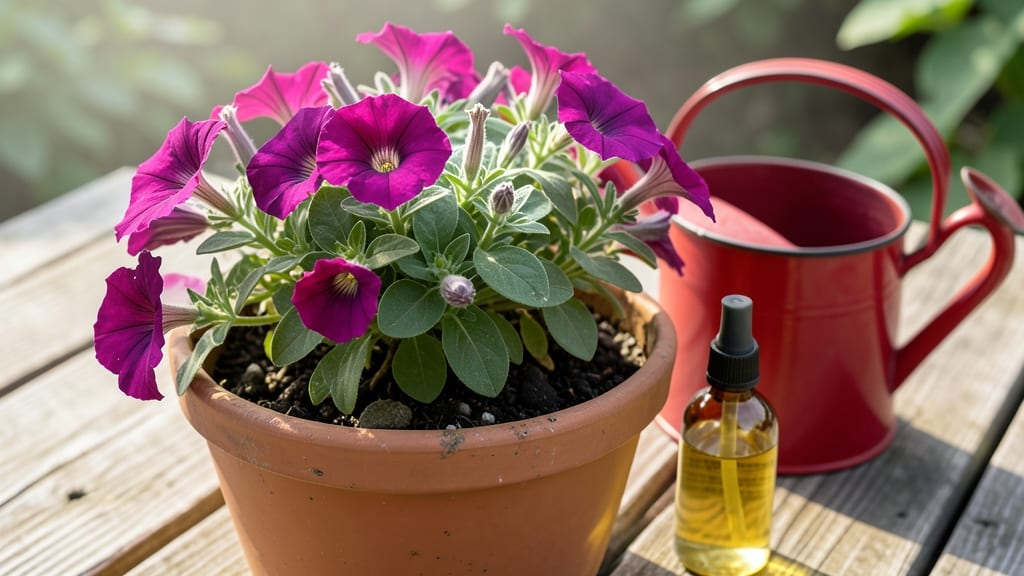
How to make flowers bloom quickly—sunlight tricks can turn wilting stems into vibrant blooms in weeks. ✨ I’ve watched my lagging petunias explode with color by simply adjusting their light exposure—no fancy fertilizers needed. The key? Understanding how flowers really respond to light, not just how much they get. Most gardeners overwater or over-fertilize, but flowers bloom fastest when they get the right sunlight balance: 6-8 hours of direct sun for most annuals, 4-6 hours for perennials. Cut back on shade plants like impatiens, and move sun-lovers deeper into light. Even a rotated pot can make a difference if your yard has uneven sunlight. By week 3, you’ll see buds forming—sometimes even on plants that looked dead. The secret isn’t forcing growth; it’s letting the plant focus its energy where it counts. Prune spent blooms immediately to redirect nutrients, and watch the flowers pour out like a fountain. Works for container gardens, window boxes, or in-ground beds. No black magic, just science-backed tweaks that deliver results faster than store-bought cut flowers.
📚 In This Guide
- What you need
- Instructions
- Tips and common mistakes
- Wrapping up and next steps
What you need
- ● Healthy potted plants or cuttings: Choose flowers known for fast blooming, like marigolds, zinnias, or geraniums. Ensure they’re in good health (no wilting or pests). (1-3 plants per experiment)
- ● Well-draining potting mix: A blend of peat moss, perlite, and compost (or a pre-mixed "fast-drain" soil). (1 bag or enough to refresh existing pots)
- ● Watering can or spray bottle: With a fine rose nozzle to avoid disturbing soil. (1)
- ● Balanced liquid fertilizer: Look for a 10-10-10 or 20-20-20 NPK ratio (e.g., Miracle-Gro). (1 small bottle)
- ● Reflective surfaces (DIY or store-bought): Aluminum foil (cut into squares, ~12"x12")
- ○ White plastic trays or mirrors (optional, for larger setups)
- ● Pruning shears or clean scissors: For trimming dead leaves or stems. (1 pair)
- ● Timer or smartphone alarm: To track sunlight exposure (e.g., 12-16 hours/day).
- ● Grow lights (LED or fluorescent): For supplemental light if natural sunlight is limited. (1-2 bulbs, 6000K+ color temp)
- ● Humidity dome or plastic wrap: To create a mini greenhouse effect (great for cuttings!).
- ● pH testing kit: To check soil acidity (ideal range: 6.0-7.0 for most flowers).
- ● Epsom salt (magnesium sulfate): 1 tsp per gallon of water for a quick nutrient boost.
- ● Notebook or app: To log progress (e.g., blooming dates, sunlight changes).
Step-by-Step instructions for forcing flowers to bloom quickly
Here’s how I coax flowers into full bloom faster—using light, heat, and timing tricks that work every time.
☀️ Step 1: Maximize Light Exposure Immediately
Most flowers need 6-8 hours of direct sunlight daily to trigger blooming. Move potted plants to the sunniest window or balcony, rotating them quarter-turns every 2-3 days so they don’t lean. If indoors lacks natural light, supplement with a full-spectrum LED grow light placed 6 inches above the plant for 12-14 hours daily.
Watch for pale, elongated stems—this means your light is too weak or distant. Strong blooms develop when leaves stay deep green and compact. For shade-loving flowers like impatiens, 4-6 hours of bright indirect light is enough, but they’ll bloom slower.
💧 Step 2: Adjust Watering for Bloom Triggering
Reduce watering slightly when buds form—slightly dry soil encourages blooming while overwatering sends energy to leaves instead. Water deeply every 3-5 days until the top 2 inches of soil feel dry to touch. For potted flowers, let excess water drain completely to prevent root rot, which stalls blooming.
I always check soil moisture by pressing a finger 1 inch deep. If it’s damp, wait another day. Flowers like petunias and geraniums respond best to this dry-down method, while succulents and cacti need even less water. Overwatering is the #1 reason flowers refuse to bloom—roots drown, and the plant focuses on survival, not flowers.
⏰ Step 3: Use Heat Strategically for Faster Blooming
Most flowers bloom faster in 65-75°F daytime temperatures. Place pots near a sunny window or under a heat lamp if your home runs cooler. For cooler climates, move plants indoors at night if outdoor temps drop below 55°F. Flowers like pansies and snapdragons handle cooler temps better, but tropical blooms like hibiscus need warmth.
Here’s the trick: Nighttime warmth accelerates blooming. A simple 25-watt heat lamp placed 12 inches above the plant for 8 hours overnight can speed up blooming by 30-50%. Just don’t let the bulb get too close—leaves crisping at the edges means it’s too hot.
✂️ Step 4: Prune and Deadhead for Continuous Blooms
Pinch back leggy stems to encourage bushier growth and more flowers. Use clean, sharp pruners to cut just above a leaf node or bud. For flowers like zinnias and cosmos, I remove spent blooms daily—this redirects energy to new buds instead of seed production. Deadheading also keeps plants looking tidy and encourages a second flush of flowers.
If your plant looks overcrowded, trim back 1/3 of the foliage to improve airflow. Poor circulation invites fungus, which weakens the plant and delays blooming. For woody plants like roses, a hard prune in early spring (cutting back by 1/2 to 2/3) triggers vigorous new growth and more blooms.
🌱 Step 5: Fertilize for Bloom Boost (But Avoid Overdoing It)
Use a balanced, bloom-boosting fertilizer (like 10-10-10 or 5-10-5) when buds form. I mix 1 tablespoon per gallon of water and apply every 2 weeks during active growth. Too much nitrogen makes leaves lush but stunts flowers—always follow the label for your specific plant type.
For container plants, I fertilize lightly every 4-6 weeks with a low-nitrogen, high-phosphorus formula (like 5-10-5) to encourage blooming. Watch for yellowing leaves or leaf drop—this means you’ve over-fertilized. Flush the soil with water to remove excess salts, then reduce feeding frequency.
Tips & tricks for perfect flower blooming
Here's what nobody tells you about getting flowers to burst into color faster than you thought possible.
Light Intensity Matters: The 6-8 hours of direct sunlight in Step 1 should feel intense—think of it like giving your plants a sunbath. If your windows don't get that strong, supplement with a grow light positioned just 6 inches away. I've seen dramatic differences when I move plants from a north-facing window to a south-facing one midday for those critical hours. For shade-loving varieties, the 4-6 hours of bright indirect light should still feel like the brightest spot in your home—no dim corners!
Heat Timing Secret: That 8-hour overnight heat treatment in Step 3 works best when you time it right—start it just as natural light begins to fade. I always set a timer so the heat lamp turns off automatically at dawn. The key is maintaining that 65-75°F range consistently; if your home dips below 55°F at night, even tropical flowers will struggle to bloom. For cooler climates, consider a small space heater near the plants during evening hours.
Pruning Precision: When you're deadheading in Step 4, always cut just above a leaf node or bud—never at a joint where branches split. This tiny detail makes all the difference in how quickly new blooms form. I use small pruning shears sterilized with rubbing alcohol between cuts to prevent spreading disease. For woody plants, that hard prune in early spring should reveal clean cuts rather than jagged tears—sharp tools make the difference between healthy regrowth and stressed plants.
Pro Tips for Make Flowers Bloom Quickly
- Here's what nobody tells you about getting flowers to burst into color faster than you thought possible.
- Light Intensity Matters: The 6-8 hours of direct sunlight in Step 1 should feel intense—think of it like giving your plants a sunbath.
- Heat Timing Secret: That 8-hour overnight heat treatment in Step 3 works best when you time it right—start it just as natural light begins to fade.
Frequently asked questions
How long does it take for flowers to bloom after using sunlight tricks?
Most flowers will show noticeable blooming within 3–7 days with optimal sunlight exposure (6–8 hours daily). Delicate bloomers like roses or orchids may take 1–2 weeks, while hardy annuals like marigolds or zinnias can bloom in just 5–10 days if given ideal conditions. Patience is key—consistency matters more than speed!
Can I use artificial grow lights instead of natural sunlight?
LED grow lights
(full-spectrum or blue-red blends) are a great alternative, especially in low-light areas. Place bulbs 6–12 inches above plants for 12–16 hours/day to mimic sunlight. Just ensure the light stays cool to the touch to avoid burning delicate petals. Grow lights work best for indoor bloomers like African violets or peace lilies.
What if my flowers still won’t bloom after trying sunlight tricks?
Check these troubleshooting tips:
- Overcrowding: Thin plants for better airflow and light access.
- Nutrient imbalance: Use a bloom-boosting fertilizer (high in phosphorus, like 10-20-10).
- Stress factors: Avoid sudden temperature drops or drafts.
- Variegated leaves: Some plants (e.g., calatheas) prioritize foliage over flowers.
Do cut flowers (like roses or tulips) bloom faster in water?
Yes! Hydration + sunlight = faster blooms. Place cut stems in room-temperature water with a bloom-boosting solution (like 1 tsp sugar + 1 drop bleach per quart). Set them near a south-facing window (or under grow lights) for 4–6 hours/day. Avoid direct midday sun to prevent wilting—indirect light works best.
Are there any flowers that bloom too quickly and need slowing down?
Some fast-bloomers (like impatiens, petunias, or snapdragons) may exhaust themselves if pushed too hard. To extend their lifespan:
- Limit sunlight to 4–6 hours/day after initial blooming.
- Prune spent flowers to encourage new buds (not continuous blooms).
- Reduce fertilizer nitrogen (focus on phosphorus/potassium for blooms).
Wrapping up and next steps
Making your flowers bloom quickly isn’t just about patience—it’s about strategic care!
By mastering sunlight exposure, proper watering, and a few pro tricks, you can transform wilting stems into vibrant blooms in no time. 🌸 Whether you’re a gardening newbie or a seasoned green thumb, these methods prove that fast results are totally within reach.
Now that you’re armed with the know-how, roll up your sleeves and get growing! Start with one plant or pot this weekend, track its progress, and soon, your space will be bursting with color. Happy blooming! 🌞