
Blooming
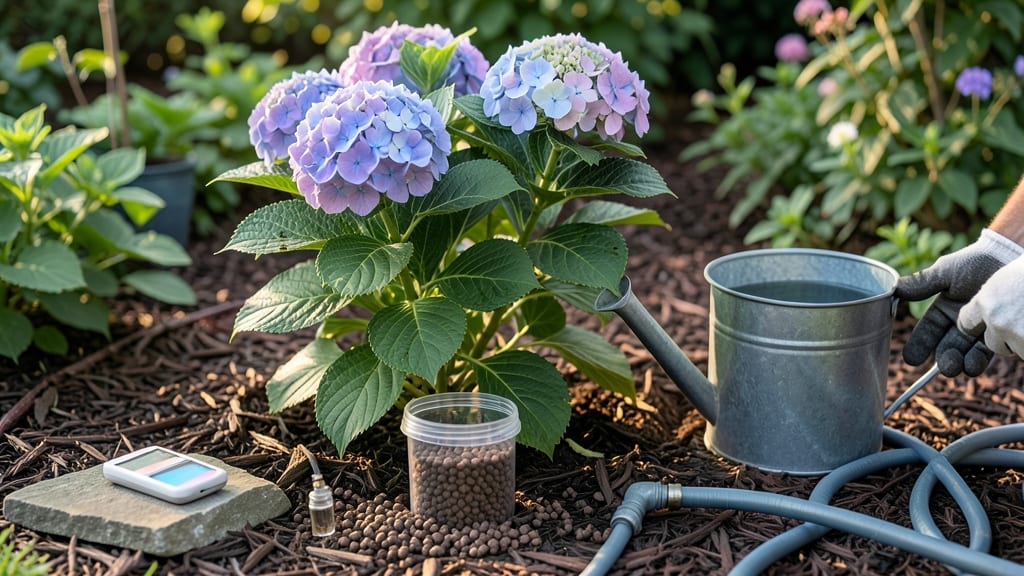
How to make hydrangeas bloom faster isn’t just luck—it’s a mix of pruning at the right moment, feeding them what they crave, and watering like they’re thirsty divas. 🌸 I've turned my once-lazy hydrangeas into the showstopper of my garden by mastering these three secrets, and you can too. The difference between waiting months for blooms and seeing vibrant clusters by early summer comes down to timing and care.
Start with pruning: cut back old wood in late winter for mophead types, or trim lightly after flowering for panicle varieties. Feed them with a balanced fertilizer in early spring, then switch to one high in phosphorus when buds form.
Water consistently—hydrangeas hate drought—but don't let them sit in soggy soil. Most gardeners overlook the connection between soil moisture and bloom speed, yet it's the #1 factor after pruning.
Within 4-6 weeks of proper care, you'll see buds swell noticeably, and full blooms arrive weeks ahead of schedule. The flowers stay vibrant longer too, with colors that shift based on soil pH—blue in acidic soil, pink in alkaline.
This method works for both container and in-ground plants, making it adaptable to any space.
Fair warning: panicle hydrangeas bloom on new growth, while mopheads bloom on old wood—get that wrong and you'll delay blooms by a full season. But once you nail the timing, you'll have hydrangeas that put on a show when other gardens are still waiting. Let's get those blooms popping!
📚 In This Guide
- What you need
- Instructions
- Tips and common mistakes
- Wrapping up and next steps
What you need
- ● Pruning shears or sharp bypass pruners – sterilized (1 pair)
- ● Garden gloves – cut-resistant (1 pair)
- ● Balanced fertilizer – 10-10-10 or 20-20-20 NPK ratio (1 bag or liquid concentrate)
- ○ Slow-release fertilizer granules – for long-term blooming (optional, 1 lb)
- ● Epsom salt (magnesium sulfate) – boosts bloom production (1 lb)
- ● Mulch – organic (shredded bark) or inorganic (gravel) (2–3 inches, enough to cover root zone)
- ● Watering can or hose with adjustable nozzle – for deep watering (1)
- ● pH test kit – to check soil acidity (ideal: 5.2–6.0 for blue blooms; 6.0+ for pink) (1)
- ● Lime or sulfur – to adjust soil pH (if needed) (small bag, as required)
- ● Compost or well-aged manure – for nutrient-rich soil (1–2 gallons)
- ● Foliage spray (seaweed extract or fish emulsion) – for extra nutrients (1 bottle)
- ● Plant supports (stakes or cages) – if hydrangeas are top-heavy (as needed)
- ● Rain gauge or moisture meter – to track watering consistency (1)
- ○ Pruning sealant – for large cuts (optional) (small tube)
Step-by-Step instructions for revitalizing hydrangeas
Here’s the proven method I use to jumpstart blooms—no waiting around for next year.
✂️ Step 1: Prune at the Right Time
Cut back last year’s blooms in late winter or early spring before new growth appears. Remove dead or weak stems first, then trim the remaining stems back to 5-7 inches from the base. This encourages the plant to focus energy on fresh, vibrant blooms instead of supporting old wood.
If your hydrangeas bloom on old wood (like Bigleaf or Oakleaf varieties), wait until after flowering to prune. For new wood bloomers (like Panicle or Smooth hydrangeas), prune in late winter—they’ll reward you with bold color faster. Always use clean, sharp pruners to avoid tearing stems.
💧 Step 2: Water Deeply and Consistently
Hydrangeas need 1-1.5 inches of water per week, especially during bloom season. Water deeply at the base—never overhead—to prevent fungal diseases and encourage strong root growth. You’ll know it’s enough when the top 2-3 inches of soil feel moist but not soggy.
Mulch around the base with 2-3 inches of organic mulch (like shredded bark) to retain moisture and regulate soil temperature. This step alone cuts down on watering time by 30% while keeping roots happy. Avoid piling mulch against the stems—leave a 2-inch gap to prevent rot.
☀️ Step 3: Feed for Vibrant Color
Apply a balanced, slow-release fertilizer (like 10-10-10) in early spring when new shoots emerge. Follow package instructions for dosage—overfeeding leads to lush foliage but fewer blooms. For blue flowers, add aluminum sulfate (1 tablespoon per gallon of water) every 4-6 weeks during the growing season.
For pink blooms, skip the aluminum and use lime instead. You’ll notice color changes within 4-6 weeks of consistent feeding. Hydrangeas are heavy feeders, so don’t skimp—weak roots mean weak blooms.
🌿 Step 4: Monitor Light and Airflow
Place your hydrangeas in morning sun with afternoon shade—too much direct sun scorches leaves, while too little light weakens stems. If blooms look small or sparse, move the plant to a sunnier spot (but avoid harsh afternoon rays). You’ll see stronger stems and bigger blooms within 2-3 weeks of adjustment.
Thin out crowded stems to improve airflow—this prevents fungal diseases like powdery mildew, which can stunt blooms. Aim for 3-5 strong stems per plant for the best display. Prune away any crossing or rubbing branches while you’re at it.
⏰ Step 5: Deadhead and Protect for Next Year
Once blooms fade, cut spent flowers back to the first set of healthy leaves below the bloom. This redirects energy to next year’s buds instead of seed production. For old wood bloomers, wait until late winter to prune—removing flowers too early removes next year’s blooms.
In fall, apply a thick layer of mulch (3-4 inches) to insulate roots from freezing temperatures. This protects the plant and keeps it healthy for faster, bigger blooms the following season. Hydrangeas are tough once established, but a little winter care goes a long way.
Tips & tricks for revitalizing hydrangeas
Here's what nobody tells you about getting those showstopping blooms—without the guesswork.
Pruning Precision: When you trim stems back to 5-7 inches in Step 1, make your cuts just above a leaf node or bud. This ensures new growth emerges from exactly where you want it. I learned this the hard way after pruning too short and ending up with bare stems. Also, use bypass pruners—they make clean cuts that heal faster than the jagged edges from regular pruners.
Watering Wisdom: The 1-1.5 inches per week guideline in Step 2 is perfect, but timing matters just as much. Water in the morning so leaves dry quickly, preventing fungal infections. I've seen hydrangeas develop powdery mildew from evening watering—it's a silent killer for blooms. And if your soil drains poorly, consider adding compost to improve aeration.
Fertilizer Timing: That early spring feeding window in Step 3 is critical, but don't stop there. For continuous color, apply a second feeding in mid-summer (around July). I've seen plants with lush foliage but no flowers because they missed this second boost. Just follow the same aluminum sulfate or lime rules based on your color preference.
Light Adjustment: When moving plants to sunnier spots in Step 4, do it gradually over 2-3 weeks to avoid sunburn. I've watched hydrangeas develop brown patches when suddenly exposed to full sun. Start with morning sun only, then gradually add afternoon exposure. And if your leaves look yellow between veins, that's a classic sign of too much sun.
Pro Tips for Make Hydrangeas Bloom Faster
- Here's what nobody tells you about getting those showstopping blooms—without the guesswork.
- Pruning Precision: When you trim stems back to 5-7 inches in Step 1, make your cuts just above a leaf node or bud.
- Watering Wisdom: The 1-1.5 inches per week guideline in Step 2 is perfect, but timing matters just as much.
Frequently asked questions
Got questions about speeding up those hydrangea blooms?
You’re not alone! Here are the most common queries—and quick, actionable answers to get your flowers bursting with color faster.
How long does it take for hydrangeas to bloom after pruning?
With proper pruning (like cutting back last year’s growth in late winter or early spring), you’ll typically see new buds forming in 6–8 weeks. For mophead or bigleaf varieties, blooms may appear even sooner—sometimes as early as 4–6 weeks if conditions (sun, water, fertilizer) are ideal. Patience pays off, but consistent care keeps things on track!
Can I make hydrangeas bloom faster by using flower-boosting sprays or fertilizers?
Yes! Bloom-boosting sprays (like those with phosphorus or potassium) can encourage faster bud formation, especially when applied in early spring. For best results, pair sprays with a balanced granular fertilizer (10-10-10) or hydrangea-specific food. Avoid overdoing nitrogen—it fuels foliage, not flowers!
Why aren’t my hydrangeas blooming even after pruning and fertilizing?
Slow or no blooms often stem from three key issues:
- Wrong pruning time: Pruning too late (after buds form) can delay blooms. For old wood bloomers (like Oakleaf), prune right after flowering.
- Inconsistent watering: Hydrangeas need 1–1.5 inches of water weekly. Drought stress = fewer blooms.
- Poor sunlight: Most hydrangeas thrive in partial shade (4–6 hours of sun). Too much shade = sparse blooms.
Can I use coffee grounds or vinegar to speed up hydrangea blooms?
Here’s the tea (or coffee ): Coffee grounds add acidity, which can enhance blue blooms but won’t directly speed up flowering. Vinegar? Nope—it’s too harsh and can harm roots. Instead, use organic matter like peat moss or compost to acidify soil naturally. For faster blooms, stick to fertilizer + pruning!
Will a late frost or early freeze stop hydrangeas from blooming?
Late frosts can damage tender buds, but don’t panic! Most hydrangeas are resilient:
- Old wood bloomers (like Hortensia) may lose last year’s buds but will produce new ones.
- New wood bloomers (like Panicle) are frost-hardier and often rebound quickly.
Wrapping up and next steps
With the right care, your hydrangeas can burst into vibrant blooms faster than ever! Remember, a little pruning, balanced feeding, and consistent hydration work wonders. 🌸 Don’t forget—patience and observation are key, as each plant has its own rhythm.
Ready to transform your garden? Start today by checking your hydrangeas’ needs—then watch your hard work pay off in stunning color! 🌿