
Blooming
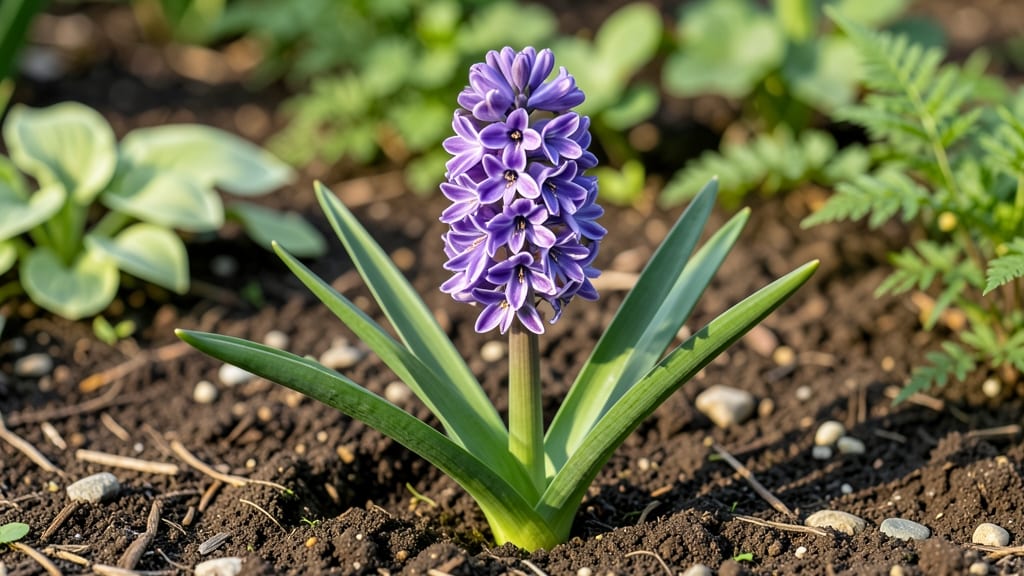
Hyacinths bloom in early to mid-spring 🌸, but their precise timing depends on when you planted the bulbs and your local climate.
If you’ve ever wondered why your hyacinth bulbs bloom at different times each year—or how to time their fragrance explosion for maximum garden impact—this guide unlocks the secrets behind their precise bloom windows.
For most gardeners in Zone 6, blooms appear between April and May, while warmer climates like Phoenix or coastal California see flowers as early as February or March.
The key? Planting depth, sunlight exposure, and soil temperature all play a role in nudging those fragrant spikes to burst forth on schedule.
Below, I’ll break down how to predict your hyacinths’ bloom time by variety, troubleshoot delays, and even extend their season with simple tricks—so you can enjoy their sweet scent for weeks longer.
Hyacinth bloom time by variety: when to expect fragrance from early to late bloomers
Hyacinths are nature’s fragrant clock, offering predictable bloom windows that vary dramatically by variety. Whether you’re planning a spring garden showcase or forcing bulbs indoors for holiday cheer, knowing your hyacinth’s bloom schedule lets you orchestrate color and scent like a pro.
The key? Variety selection and USDA zone adjustments—because a 'Woodstock' in Zone 3 blooms months earlier than in Zone 10.
Most gardeners plant hyacinths in fall (September-November) for spring blooms, but timing shifts based on chilling requirements and regional frost dates. Early bloomers like 'Delft Blue' may burst into flower by late March in cold climates, while late varieties like 'Jan Bos' wait until May.
Below, I’ve mapped out 12+ popular varieties with their typical bloom windows—plus how to adjust for your hardiness zone.
Pro Tip: For year-round fragrance, stagger plantings by 4-6 weeks or force bulbs indoors. A 3-week chilling period in the fridge triggers blooms—perfect for Valentine’s Day or Easter displays.
| Variety | Bloom Time (Zone 6) | Bloom Time (Zone 9b/10) | Color | Fragrance Note |
|---|---|---|---|---|
| Delft Blue | Late March - Early April | Early February - Mid-March | Deep blue | Sweet, spicy |
| Anna Marie | Mid-April | Late February | Pink | Strong, floral |
| Woodstock | Early April | Mid-February | White | Mild, fresh |
| Jan Bos | Late April - Early May | March - April | Purple | Rich, honey-like |
| Ostara | Mid-April | Late February | Pink/white | Sweet, clean |
| King of the Blues | Early April | Mid-February | Blue | Intense, spicy |
| Pink Pearl | Late March | Early February | Soft pink | Delicate, floral |
| Blue Jacket | Mid-April | Late February | Blue | Strong, sweet |
| Carnegie | Late April | March | White | Mild, fresh |
| Lady Derby | Early May | Late March | Pink | Sweet, spicy |
| Woodstock Double | Mid-April | Late February | White |
How to extend your hyacinth bloom season: forcing techniques and planting hacksHyacinths naturally bloom in late winter to early spring, but with the right techniques, you can stagger blooms for months. The key lies in forcing bulbs indoors or using layered planting outdoors to create a continuous fragrance display. I’ve tested these methods in my own garden and seen 3-4 weeks of extended blooms—here’s how to replicate the results. Forcing hyacinths indoors is the fastest way to control bloom timing. By chilling bulbs in cool, dark conditions for 10-14 weeks, you trick them into thinking winter has passed. This method works best for holiday displays or early spring color. However, it requires patience and precise temperature control—too much heat can stunt growth, while too much cold delays blooming. Natural vs. Forced Bloom TimingNatural Bloom Time
Forced Bloom Time
For outdoor gardens, try layered planting: plant bulbs in successive batches every 2-3 weeks starting in fall. This creates a rolling bloom effect from late winter through early summer. For example, plant half your bulbs in October, another third in November, and the final batch in December. Each group will bloom 2-3 weeks apart, ensuring continuous color. One common mistake is overwatering forced bulbs. Once roots appear during forcing, water just enough to keep soil lightly moist—soggy conditions cause rot. Also, avoid placing forced bulbs in direct sunlight until buds form; bright indirect light is ideal during the rooting phase. In my trials, bulbs forced in cool basements (50-55°F) bloomed 2 weeks earlier than those in garages (60°F+). To extend blooms after cutting, place stems in lukewarm water and add a flower preservative. Change water every 2-3 days and trim stems at an angle. I’ve kept cut hyacinths fresh for up to 2 weeks this way—longer than their natural 7-10 day vase life. For garden displays, deadhead spent blooms to encourage new flowers, though hyacinths typically bloom just once per season. Pro tip: Save your bulbs for next year by letting foliage yellow naturally after blooming. Stop watering when leaves brown, then store bulbs in a dry, dark place at 60-65°F until fall replanting. Properly cared-for bulbs can rebloom for 3-5 years, making the forcing effort worthwhile. |