
Blooming
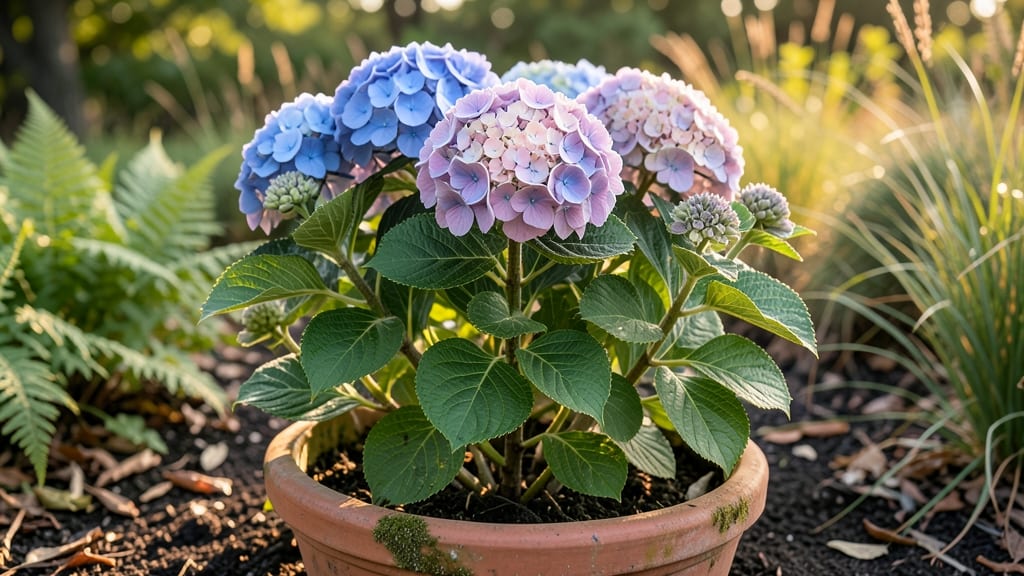
Hydrangeas bloom in late spring through summer, but the exact timing depends on variety, care, and your climate zone.
Picture this: you’ve waited all year for those 🌸 clusters to burst into color, only to find your hydrangeas staring at you with bare branches. It’s frustrating, but the good news? With the right knowledge, you can predict—and even extend—their bloom season like a pro.
Whether you’re growing mopheads, lacecaps, or panicle types, the key lies in understanding their natural cycles, pruning at the right time, and giving them the perfect balance of sun and shade.
I’ll walk you through how each variety plays by its own rules—and how to tweak conditions to keep those blooms coming.
From troubleshooting delayed blooms to maximizing reblooms, you’ll learn the secrets to a hydrangea showstopper that lasts from June to September (or even longer). Let’s get started!
Hydrangea bloom time by variety: when to expect flowers
If you've ever waited impatiently for your hydrangeas to burst into color, you're not alone. The bloom time varies dramatically between varieties, and understanding these differences can help you plan your garden for maximum impact.
From early spring bloomers to late-summer showstoppers, each type has its own schedule—especially when you factor in your USDA zone. Let's break down when to expect flowers from your favorite hydrangeas.
Hydrangeas generally bloom in late spring through summer, but timing depends heavily on the variety. Bigleaf hydrangeas (like 'Nikko Blue' or 'Endless Summer') typically bloom in mid-to-late summer, while panicle hydrangeas (such as 'Limelight' or 'Little Lime') often start earlier, around June or July. Oakleaf hydrangeas are unique—they bloom in late spring to early summer and sometimes produce a second flush in fall.
Your USDA zone also plays a critical role. In zones 5-6, expect blooms to arrive 2-4 weeks later than in warmer zones (7-9). For example, a zone 7 gardener might see 'Endless Summer' bloom in July, while a zone 5 gardener should plan for mid-August.
Let's dive into the specifics for each major type.
| Variety | Bloom Time | Zone 5-6 | Zone 7-9 | Notes |
|---|---|---|---|---|
| Bigleaf (e.g., 'Nikko Blue') | Mid-to-late summer | Late July-August | June-July | Reblooms with proper pruning |
| Panicle (e.g., 'Limelight') | Late spring-early summer | June-July | May-June | Tolerates full sun; long-lasting blooms |
| Oakleaf (e.g., 'Pee Wee') | Late spring-early summer | May-June | April-May | Fall rebloom possible; stunning foliage |
| Smooth (e.g., 'Annabelle') | Mid-summer | July-August | June-July | Drought-tolerant; large, round blooms |
| 'Endless Summer' (Bigleaf) | June-September | July-September | June-August | Reblooms all season with care |
For Bigleaf hydrangeas, timing is everything. Most bloom on old wood (last year's growth), so pruning at the wrong time can mean no flowers that season. Varieties like 'Nikko Blue' thrive in partial shade and typically bloom from July to September in warmer zones.
In cooler zones (5-6), expect blooms to arrive 2-3 weeks later due to slower growth.
If you're growing panicle hydrangeas, you're in luck—they bloom on new wood, meaning you can prune in late winter or early spring without sacrificing blooms. 'Limelight' and 'Little Lime' are early bloomers, often starting in June and lasting until fall frost.
Their upright form makes them perfect for backyard focal points.
Don't overlook Oakleaf hydrangeas for their dual-season interest. These varieties bloom in late spring and sometimes produce a second flush in fall. Their exfoliating bark and deep red fall foliage add year-round appeal.
In zone 5, expect blooms in May-June, while zone 9 gardeners can enjoy them as early as April.
For reblooming varieties like 'Endless Summer', the key is consistent care. These hydrangeas produce two bloom cycles: one on old wood in early summer and another on new wood in late summer.
To encourage reblooming, prune in late winter or early spring and feed with balanced fertilizer in spring and summer. In zone 7, you might see blooms from June to September.
Regional adjustments are crucial. In USDA zone 5, hydrangeas often bloom 4-6 weeks later than in zone 9 due to cooler temperatures and shorter growing seasons.
For example, a zone 5 'Annabelle' might not reach peak bloom until mid-August, while a zone 9 plant could be in full bloom by July. Plan accordingly by choosing varieties that align with your local climate.
Pro tip: Use mulch
If your hydrangeas put on a springtime show but fade by summer, you’re not alone! Most varieties bloom just once, but reblooming types like 'Endless Summer' can produce two flushes of flowers with the right care. The secret lies in pruning timing, deadheading, and nutrient strategies that encourage continuous growth. Reblooming hydrangeas need consistent care to keep producing flowers. Unlike their once-a-year cousins, these varieties rely on new growth for summer blooms, so aggressive pruning at the wrong time can eliminate next year’s flowers. Let’s break down the step-by-step process to extend your hydrangea’s bloom time from spring to fall. For reblooming varieties, timing is everything. Prune after the last frost but before buds swell—typically in late February to early April in most climates. This ensures you’re cutting old wood while preserving new growth that will produce summer flowers. Don’t forget to monitor soil pH, especially if you want to change bloom colors. Acidic soil (pH 5.0–5.5) produces blue flowers, while alkaline soil (pH 6.0–7.0) yields pink blooms. Test your soil in early spring and amend with lime (to raise pH) or sulfur (to lower pH) as needed. With these care adjustments, your hydrangeas can keep blooming from late spring through fall, turning your garden into a year-round floral display. The key is patience and consistency—reblooming takes a little extra effort, but the results are worth it! 🌸How to trigger reblooming in hydrangeas: pruning & care tips
🌿 Step-by-Step Guide to Reblooming Hydrangeas
Cut back last year’s stems by 1/3 to 1/2 when new buds appear. Avoid pruning after early summer—this removes next year’s flower buds!
Remove faded blooms throughout the season to redirect energy to new flower production. Use clean pruners to snip stems just above a leaf node.
Apply a balanced fertilizer (10-10-10) in early spring and mid-summer. Avoid high-nitrogen feeds—these promote leafy growth over flowers.
Keep soil evenly moist (not soggy) during bloom season. Morning watering prevents fungal issues and supports root health.
Add 2–3 inches of mulch around the base to lock in moisture and regulate soil temperature. Use organic mulch like shredded bark or pine needles.