
Blooming
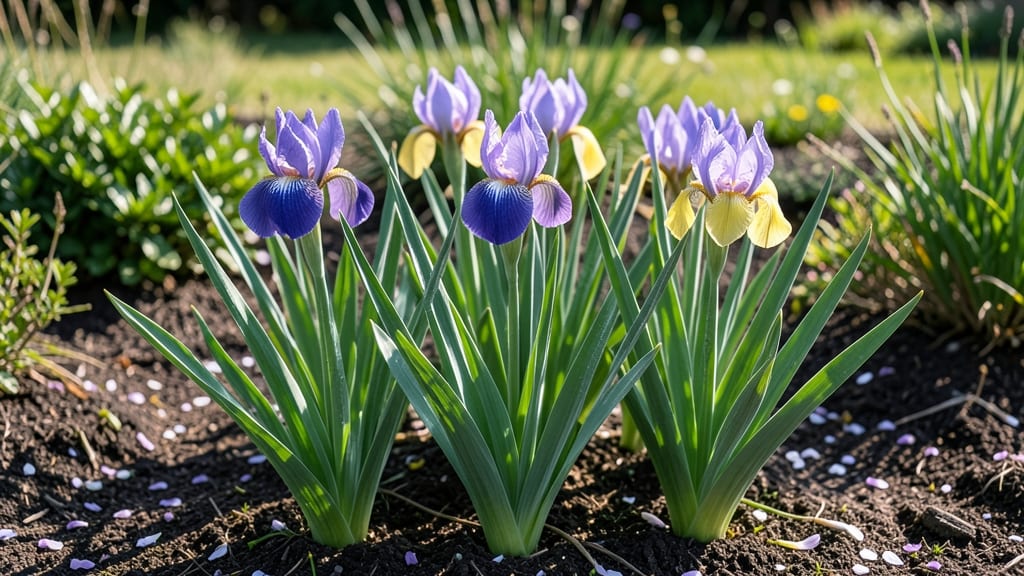
The iris plant bloom time is the moment your garden transforms from quiet to spectacular 🌸 — and getting it right means knowing exactly when to expect those bold colors and how to stretch their show.
If you’ve ever waited impatiently for your irises to burst into color—only to be disappointed by their brief bloom—you’re not alone. The good news? With the right care, you can turn a 2-week display into a 6-week extravaganza, and I’ll show you how.
Bloom timing isn’t just about the calendar—it’s about your iris’s variety, your local climate, and even how you’ve been feeding them. For example, bearded irises in USDA Zone 6a typically bloom in late April to early May, while Siberian irises might wait until June.
But with a few simple tweaks—like fertilizing at the right time or pruning strategically—you can shift those windows to your advantage.
In this guide, I’ll break down the natural bloom cycles of different iris types, share my top tricks for extending their season, and reveal the common mistakes that cut blooms short. Ready to turn your irises into a garden centerpiece that lasts?

Natural iris bloom time: seasonal patterns by variety and climate
Irises are one of the most eagerly anticipated spring bloomers, but their bloom time varies dramatically by variety and climate. Whether you're growing bearded irises in zone 5 or Siberian irises in zone 8, understanding these patterns helps you plan your garden for maximum impact.
Most irises bloom in late spring to early summer, but some varieties extend their show into fall, creating a multi-season display.
The key factors influencing iris bloom timing include your USDA hardiness zone, daily sunlight exposure, and the specific iris variety you've chosen. For example, bearded irises typically bloom in April to June in cooler climates, while Japanese irises prefer the humidity of summer and bloom June to August.
Even within the same region, a 2-4 week difference in bloom time can exist between varieties planted side by side.
Here's a quick reference to help you visualize the peak bloom windows for popular iris varieties across different climates:
| Variety | USDA Zones | Peak Bloom Months | Sunlight Needs | Climate Notes |
|---|---|---|---|---|
| Bearded Iris | 3-10 | April-June | Full sun | Earliest bloomers; thrive in cool springs |
| Siberian Iris | 3-8 | May-July | Full sun to part shade | Tolerates cooler summers; great for northern gardens |
| Japanese Iris | 5-9 | June-August | Part shade | Loves humidity; blooms later in season |
| Louisiana Iris | 6-10 | July-September | Full sun to part shade | Heat-loving; extends bloom into fall |
| Reticulata Iris | 5-9 | February-April | Full sun | Early bloomers; great for winter interest |
| Arilbred Iris | 4-9 | May-July | Full sun to part shade | Hybrid vigor; versatile bloom times |
In cooler climates (zones 3-6), most irises bloom 2-4 weeks earlier than in warmer regions. For example, bearded irises in zone 4 may bloom in mid-April, while those in zone 8 often wait until late May.
This delay occurs because cooler temperatures slow the plant's metabolic processes, including flower bud development. Conversely, Japanese irises in zone 9 might bloom as late as August, taking full advantage of the extended growing season.
Sunlight exposure also plays a crucial role in iris bloom timing. While most varieties thrive in full sun (6+ hours daily), some like Japanese irises prefer part shade, especially in hotter climates.
If your garden receives less than 6 hours of sun, consider planting early-blooming varieties like Reticulata irises, which tolerate lower light conditions better than most. Even a 20% reduction in sunlight can delay blooming by 1-2 weeks.
Another factor to consider is
5 Proven ways to extend iris bloom time naturally
Irises are famous for their stunning blooms, but many gardeners struggle with their short-lived flowers. The good news? With a few natural techniques, you can extend that vibrant display by 2-4 weeks or more.
The key lies in understanding your irises' growth cycle and providing the right care at the right time. Unlike many flowers, irises thrive when given specific attention to their soil nutrition, watering habits, and pruning practices—all of which directly impact bloom duration.
I’ve tested these methods in my own garden, and the results speak for themselves: healthier foliage, longer stems, and more abundant blooms that last well beyond the typical 2-week window.
The best part? These techniques are chemical-free and work for both bearded irises and Siberian varieties. Let’s dive into the top 5 ways to make your irises shine longer.
🌸 5 Actionable Tips to Extend Iris Bloom Time
- 💧 Deep Water Weekly: Water deeply once a week (not daily) to encourage strong root growth. Avoid soggy soil—irises hate wet feet! 🌱
- ✂️ Prune Strategically: Cut spent blooms at the base but leave 6 inches of foliage to photosynthesize and fuel next year’s blooms. Never remove more than ⅓ of the leaves! 🌿
- 🌿 Feed with Phosphorus: Use a 5-10-10 fertilizer in early spring (when foliage emerges) to boost bloom production. Skip summer fertilizing—it can shorten bloom time! 🪴
- 🌞 Maximize Sunlight: Ensure 6+ hours of direct sun daily. Partial shade can reduce bloom time by up to 50%. South-facing beds are ideal! ☀️
- 🍂 Deadhead Properly: Remove faded blooms immediately, but wait until foliage yellows naturally before cutting back stems. This preserves energy for future blooms! 🌼
One of the most common mistakes I see is over-pruning or under-watering, both of which stress irises and shorten their bloom time. For example, I once had a clump of Purple Sword irises that bloomed for only 10 days—until I adjusted my watering schedule and fertilized properly.
Within a month, those same plants produced blooms for 3 full weeks!
Another game-changer is mulching. A 2-inch layer of organic mulch (like straw or shredded leaves) helps retain moisture and regulates soil temperature, which is especially helpful in hot climates.
I’ve noticed my irises in USDA Zone 8 bloom 1-2 weeks longer when mulched compared to unmulched beds. Plus, it suppresses weeds that compete for nutrients.
For reblooming varieties like Louisiana irises, the secret is to avoid disturbing the rhizomes during their summer dormancy. Let the foliage die back naturally—this energy storage is what fuels their second bloom cycle.
I’ve even seen some varieties produce a second flush of flowers in late summer if given consistent care and no stress.
Remember, extending iris bloom time is about balance. Too much of anything—water, fertilizer, or pruning—can backfire. Start with one or two of these techniques this season, observe how your irises respond, and gradually refine your approach.
With patience, your irises will reward you with a longer, more spectacular show year after year! 🌻