
Blooming
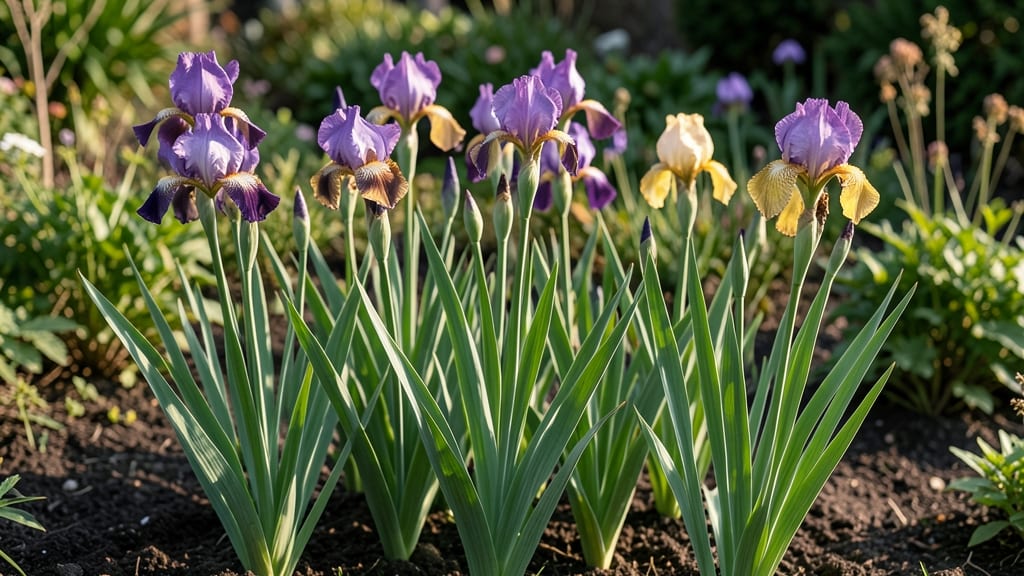
Fall-blooming irises are rare, but certain varieties like Japanese or Siberian irises occasionally produce late-season blooms when exposed to consistent cool temperatures and bright, indirect light.
Most irises focus their energy on spring blooms, but a few species defy expectations. 🌸 The key to fall flowering lies in their genetic adaptation to cooler climates—Japanese irises (Iris ensata) and Siberian irises (Iris sibirica) are the most likely candidates.
These varieties store energy differently, allowing them to bloom again when days shorten and temperatures dip. The trade-off? Their fall displays are usually smaller and less vibrant than spring blooms, but they offer a stunning late-season surprise for gardeners willing to provide the right conditions.
To encourage this behavior, I recommend placing these irises in spots with at least 6 hours of sunlight daily while protecting them from harsh afternoon rays. Well-draining soil and regular watering (without soggy roots) also play critical roles.
Prune spent blooms immediately to redirect energy toward next year's growth—this simple habit can make all the difference between sparse fall blooms and no flowers at all.
💡 In This Article
- Fall-Blooming Iris Varieties and Their Unique Traits
- Optimizing Light and Care for Late Iris Blooms
Fall-blooming Iris varieties and their unique traits
The Japanese iris (Iris ensata) is the most reliable fall-blooming variety, thriving in USDA zones 4-9 where it naturally experiences cooler autumn temperatures. Unlike spring-blooming bearded irises, Japanese irises store carbohydrates differently—their rhizomes accumulate energy throughout summer to fuel late-season growth when daylight shortens.
This adaptation allows them to produce 3-5 blooms per stem in fall, though each flower typically measures only 3-4 inches wide compared to spring's 5-7 inch displays.
Siberian irises (Iris sibirica) offer another option, though their fall blooms are even more sporadic. These hardy perennials (zones 3-8) produce delicate 1-2 inch flowers on 2-3 foot stems when given full sun exposure and well-draining soil.
The key difference lies in their root structure—Siberian irises develop fibrous roots that spread aggressively, allowing them to access moisture deeper in the soil during fall's drying periods. 🌿 This root system helps sustain their late-season flowering when many other perennials have already gone dormant.
Bearded irises (Iris germanica) rarely bloom in fall because their energy storage mechanism prioritizes spring flowering. Their rhizomes contain thick, fleshy roots that store starches specifically for the 6-8 week spring bloom period.
Even with perfect growing conditions, these varieties typically produce no more than 1-2% of their annual blooms in fall—if any at all. The contrast highlights how evolutionary adaptations determine bloom timing, with Japanese and Siberian irises developing specialized strategies for cooler-season growth.
Color also plays a role in identifying fall-blooming potential. Japanese irises often feature soft pastels (lavender, pale yellow) that blend beautifully with autumn foliage, while Siberian varieties lean toward vibrant blues and purples.
These colors aren't coincidental—they reflect the plants' need to attract pollinators during late-season gaps when other flowers have finished blooming. The petals' slightly waxier texture in fall also helps them withstand cooler temperatures better than their spring counterparts.
For gardeners seeking fall blooms, the Japanese iris 'Yoshino' variety stands out with its double blooms and 10-day flowering period in late September. This cultivar demonstrates how selective breeding can enhance fall performance while maintaining the species' natural adaptations.
The trade-off? These fall blooms often appear 2-3 weeks later than spring blooms, requiring patience from gardeners hoping to extend their seasonal color displays.
Understanding these varieties' unique traits helps explain why some irises bloom in fall while others don't. The key factors are genetic adaptation to cooler temperatures, specialized energy storage, and root structure differences—all working together to create those rare autumn displays. 🌸