
Blooming
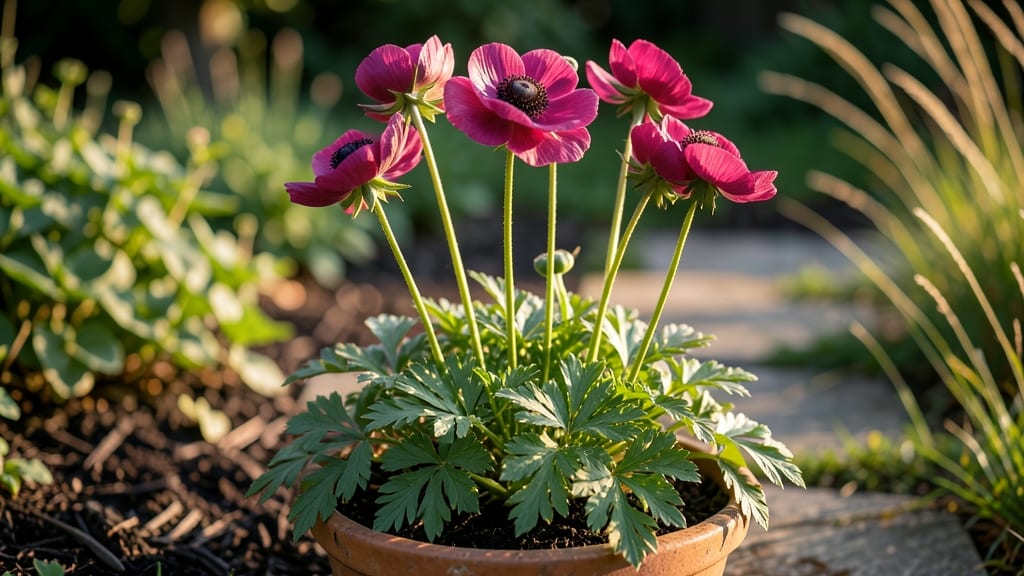
The Japanese anemone 🌸 blooms in late summer to fall, but getting those dreamy pink and white flowers depends on timing chill hours and frost-free deadlines.
If you’ve ever dreamed of late-summer blooms that turn your garden into a dreamy, pink-hued paradise, Japanese anemones (Anemone × hybrida) are your secret weapon—but timing is everything. These delicate flowers refuse to bloom reliably unless you nail their chill-hour requirements and frost-free planting window.
Most varieties need 500–1,000 hours below 40°F to trigger blooms, which means planting too early or late can leave you staring at lush foliage with no flowers. In USDA Zone 6a, that window is tight: plant in March–April or September–October for fall color.
Below, I break down how to read your local chill-hours, adjust for early/late frosts, and force blooms earlier with simple tricks—so you’re not left waiting until next year for that magical late-summer display.
Japanese Anemone chill-hours explained: how cold triggers blooms
Japanese anemones (Anemone × hybrida) are famous for their late-summer blooms, but their chill-hour requirements are the secret to unlocking those dreamy pink flowers. These hardy perennials need 500–1,000 hours below 40°F (4°C) to trigger blooming.
Without enough cold, your plants will just grow lush foliage—no flowers. Think of it like a winter nap that sets the stage for their big show.
Chill-hours are the accumulated time your plants spend in cold temperatures during winter. For Japanese anemones, this cold period is non-negotiable. Skipping it means missed blooms, no matter how much you water or fertilize.
It’s like trying to bake a cake without preheating the oven—the foundation is missing. Most varieties need this cold exposure to break dormancy and prepare for spring growth.
Not all Japanese anemone varieties have the same chill-hour needs. Some, like 'Honorine Jobert', thrive with 500–700 hours of cold, while others, such as 'Königin Charlotte', demand 800–1,000 hours. Choosing the right variety for your climate is half the battle.
For example, gardeners in Zone 5 usually have no problem, but those in Zone 8 or warmer might struggle unless they take extra steps.
To calculate your local chill-hours, use a chill-hour calculator or track temperatures manually. Many weather stations and gardening apps (like PlantNet or Gardenate) provide this data. If you’re in a warmer climate, you might need to plant in containers and move them to a cooler spot during winter.
This trick mimics the natural chill-hours they’d get in the ground.
Regional differences play a huge role in bloom timing. The Pacific Northwest and Mid-Atlantic typically meet chill-hour needs naturally, while the Southern U.S. often falls short. For instance, Seattle (Zone 8) averages 900+ chill-hours, while Atlanta (Zone 7b) might only hit 600–700 hours.
This explains why anemones bloom reliably in cooler regions but often fail in heat-prone areas.
| Variety | Chill-Hours Needed | Bloom Time | Best For Zones |
|---|---|---|---|
| 'Honorine Jobert' | 500–700 hrs | Late August–October | 4–8 |
| 'Königin Charlotte' | 800–1,000 hrs | September–October | 3–7 |
| 'Pamela' | 600–800 hrs | August–September | 5–9 |
| 'Whirlwind' | 700–900 hrs | September–October | 4–8 |
🌡️ Chill-hours = Hours below 40°F (4°C) needed for blooming
If you’re in a warmer zone, like Zone 9 or 10, you’ll need to get creative. One trick is to plant your anemones in containers and move them to a garage or shaded patio during the hottest months.
This mimics the cooler conditions they’d get in the ground. Another option is to pre-chill potted plants in your fridge for a few weeks before planting them outside in fall.
Timing your planting is just as critical as meeting chill-hour needs. In cooler climates (Zones 3–6), plant in early fall (September–October) so roots establish before winter. In warmer zones (Zones 7–9), aim for late summer (August) to give plants time to adjust before the heat of autumn.
The goal is to ensure they’re dormant when winter hits, not actively growing.
Even if you live in a mild-winter area, you can still grow Japanese anemones with a little effort. For example, mulching heavily with straw or leaves in late fall can help insulate roots and trick the plant into thinking it’s colder.
Just be sure to remove mulch in early spring to avoid overheating the soil. This small adjustment can make the difference between no blooms and a showstopping display.
Remember, Japanese anemones are perennials, meaning they’ll come back year after year if you meet their chill-hour needs. Once established, they’ll reward you with low-maintenance beauty for decades.
The key is patience—don’t rush the process. Give them the cold they crave, and they’ll repay you with months of effortless elegance
Frost-free deadline map: when to plant Japanese anemones for fall blooms
Japanese anemones (Anemone × hybrida) need precise timing to deliver their stunning late-summer to fall blooms. Planting too early or late can delay—or even prevent—those dreamy pink or white flowers you crave. The key? Understanding your last frost date and adjusting for your USDA hardiness zone.
Most gardeners plant in spring (March–April), but fall planting (September–October) can also work in warmer zones. The trick is to give roots time to establish before winter chill sets in. Let’s break down your frost-free planting deadlines by zone so you never miss the window.
To find your last frost date, check the USDA Plant Hardiness Zone Map and local weather records. For example, in Zone 5, aim to plant by May 15—any later, and roots may not establish before winter.
In Zone 8, you’ve got until July 1 for spring planting.
Need flexibility? Adjust for early/late frosts by using row covers or planting in containers for easier relocation. If you’re in Zone 9+, fall planting (September–October) often yields better blooms, as cooler temps trigger flowering.
Pro tip: Test soil temperature before planting—roots need 50°F+ soil to thrive. Use a soil thermometer to avoid cold shock. Once planted, mulch with 2–3 inches of organic matter to insulate roots and retain moisture.
With these deadlines, your Japanese anemones will reward you with vibrant blooms from September through October, adding drama to your garden’s final act. Don’t wait—mark your calendar now! 🌿