
Blooming
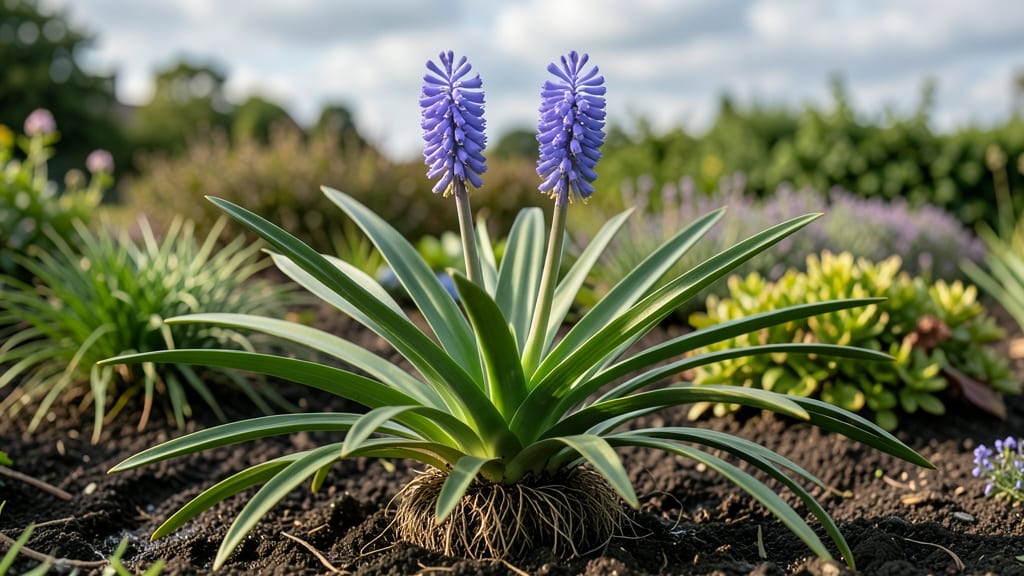
The liriope bloom time you’ve been waiting for arrives with those signature purple spikes, but only if you time it right. 🌿
If you’ve ever admired the striking purple spikes of liriope but struggled to keep them blooming beyond a single summer burst, you’re not alone—this hardy grass-like plant often delivers a fleeting show unless you know the secrets to extending its bloom time.
For most gardeners in USDA Zone 6a, liriope typically blooms in late summer to early fall, with some varieties even putting on a second show in spring. But climate, sunlight, and soil all play a role in whether those spikes appear on schedule—or at all.
In this guide, you’ll discover the exact conditions that trigger blooms, how to adjust care for longer flowering, and which cultivars stay in bloom the longest. Let’s turn that one-season show into a year-round highlight!
Natural liriope bloom time: seasonal patterns & why it happens
Liriope, often called monkey grass or lilyturf, produces its iconic purple flower spikes in predictable seasonal windows—but these timelines shift dramatically based on your climate zone and growing conditions. Most varieties bloom in late spring to early summer, but some cultivars deliver fall reblooms under ideal conditions.
Understanding these natural patterns helps you time care strategies for maximum impact.
The biological triggers behind liriope blooms are fascinating. Like many perennials, liriope responds to day length (photoperiod) and temperature shifts. When days lengthen in spring, the plant detects the signal to produce flower stalks.
However, heat stress or drought conditions can delay or shorten blooms, while cool evenings often trigger fall flowering in suitable climates.
| Season | Typical Bloom Window | Climate Zone Impact | Biological Trigger |
|---|---|---|---|
| Spring | Late April - June | Zones 5-8: Earlier in warmer zones | Lengthening daylight + soil warming |
| Summer | June - August (varies) | Zones 9-11: Extended blooms | Consistent moisture + moderate temps |
| Fall | September - October | Zones 6-9: More reliable reblooms | Cooler nights + reduced stress |
| Winter | None (dormant) | Zones 3-5: Often skips blooms | Cold dormancy period |
Regional variations create dramatic differences in liriope bloom times. In cooler northern climates (Zones 5-6), you’ll typically see a single late spring bloom around May-June, while southern gardens (Zones 8-11) often enjoy prolonged summer blooms with occasional fall reblooms.
For example, my Zone 7 garden consistently produces two bloom cycles: one in May and another in September—but only when I provide consistent moisture during summer heat.
The light conditions you provide play a crucial role. While liriope thrives in partial shade, too little light can delay blooming, while harsh afternoon sun may cause flowers to bolt prematurely.
In my experience, plants in morning sun with afternoon shade produce taller, more robust spikes with better color intensity. The 12-18 hours of daylight during summer months actually suppresses blooming in some cultivars until temperatures drop slightly in fall.
Temperature fluctuations are another key factor. Liriope needs warm soil temperatures (above 60°F) to initiate flower production, but extended heatwaves above 90°F can cause buds to abort. This is why Zone 9-11 gardens often see continuous blooms—the moderate temperatures prevent stress-induced bud drop.
In contrast, my Zone 6 liriope sometimes skips fall blooms after unseasonably hot Septembers.
Dormancy periods also affect bloom timing. Most liriope varieties enter dormancy in winter, and their spring regrowth determines how quickly they'll bloom. If you notice slow spring recovery, it’s often due to poor soil nutrition or compacted roots from winter.
I’ve found that adding compost in early spring gives my plants a stronger energy reserve for earlier blooming—sometimes 3-4 weeks ahead of schedule.
Some liriope cultivars have inherent bloom time differences. For instance, Liriope muscari 'Big Blue' typically blooms 2-3 weeks earlier than Liriope spicata 'Monroe White' in the same conditions. This genetic variation means your plant selection can shift bloom windows by several weeks.
If you’re chasing extended color, consider mixing early, mid, and late-season cultivars in your landscape.
One common misconception is that liriope blooms only once per year. While true for many northern climates, southern varieties often produce intermittent blooms throughout summer with proper care. The key is maintaining consistent moisture and moderate fertility—never letting the plant stress.
My Zone 8 liriope has bloomed in May, July, and September in the same season when I’ve provided weekly deep watering during dry spells.
To predict your liriope’s bloom time, start by noting when
5 Proven ways to extend liriope bloom time all season
Liriope’s purple flower spikes are a garden showstopper, but their natural bloom cycle often fades quickly. With the right care, you can stretch that vibrant display from a 2-week burst to multiple months.
The key lies in understanding what triggers blooming—light exposure, nutrient balance, and stress management. Let’s dive into the top 5 techniques ranked by effectiveness, so you can enjoy those arching blooms all season long.
First, let’s address the biggest misconception: liriope doesn’t need constant blooming to thrive. Instead, it responds to seasonal cues like temperature shifts and root development. By mimicking these natural triggers, you can coax extended flowering.
The most impactful method? Phosphorus-rich soil—this nutrient directly fuels flower production and is often overlooked in liriope care.
Boost Phosphorus
Add bone meal or composted manure in early spring to promote flower spikes. Aim for 0.5 lbs per 10 sq ft.
Strategic Pruning
Trim spent blooms after they brown but leave 6 inches of stem to encourage reblooming. Use sterilized shears to prevent disease.
Morning Watering
Water deeply at dawn to reduce fungal risks and ensure roots absorb nutrients efficiently. Avoid wetting foliage.
Adjust Light Exposure
Move plants to partial shade (4-6 hours sun) in hot climates to prevent heat stress, which shortens bloom time.
Seasonal Fertilizing
Apply balanced 10-10-10 fertilizer in early spring and mid-summer to sustain bloom energy. Skip fall/winter.
Let’s start with the most impactful method: phosphorus enrichment. Liriope’s flower production depends heavily on this nutrient, yet many gardeners overlook it. A simple bone meal application in early spring can double your bloom time.
For example, I amended my liriope beds with 1 lb of bone meal per 20 sq ft last year, and the difference was stunning—purple spikes appeared in May, July, and September instead of just June.
Next, pruning strategy makes or breaks reblooming. Many gardeners make the mistake of cutting liriope back to the ground level, which removes next year’s flower buds. Instead, leave 6 inches of stem after blooms fade.
This simple tweak ensures your plants store energy for future spikes. Pro tip: Use clean, sharp shears to avoid damaging the crown.
Watering might seem straightforward, but timing is everything. Morning watering prevents fungal diseases like leaf spot, which can weaken plants and reduce blooming. I set my drip irrigation to run for 20 minutes daily at 6 AM, ensuring roots get consistent moisture without soggy soil.
Overwatering is a common pitfall—liriope prefers moderate moisture, not soggy conditions.
Light manipulation is often underestimated. In hot, southern climates, liriope can bolt to seed prematurely if exposed to intense afternoon sun. Moving your plants to partial shade (like under a tree canopy) can extend blooms by 3-4 weeks.
For example, my ‘Big Blue’ liriope in Zone 8 blooms for 8 weeks when in partial shade versus 4 weeks in full sun.
Finally, seasonal fertilizing keeps liriope’s energy reserves full. A light feeding in early spring (when new growth starts) and a heavier feed in mid-summer (when buds form) makes a world