
Flowers
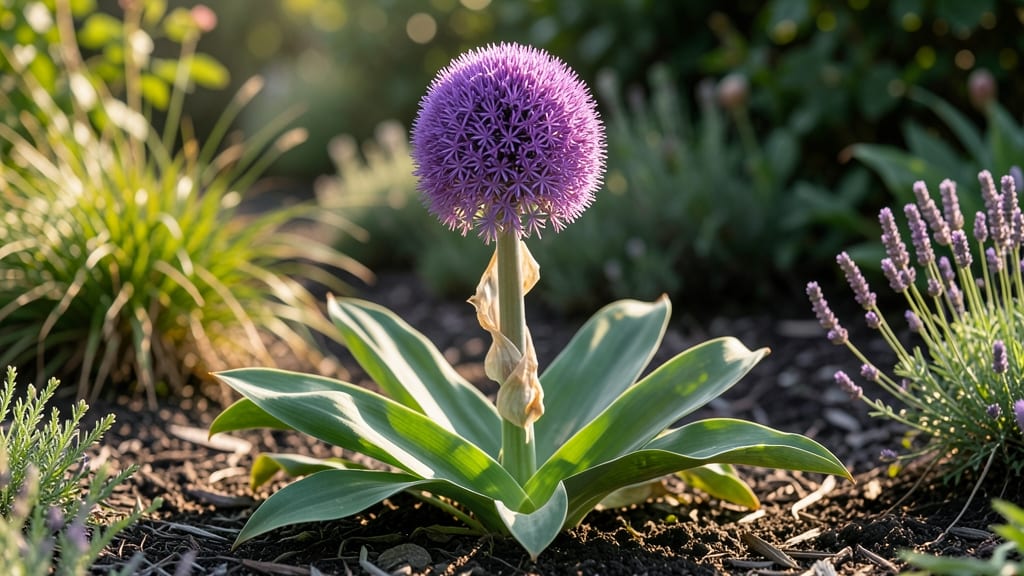
Allium flowers bloom in spring and late summer, transforming gardens with their dramatic purple spikes 🌸—but the timing depends on your hardiness zone and the variety you choose.
Those striking purple globes can turn any garden into a showstopper—but timing is everything. If you’ve ever planted alliums only to miss their fleeting display, you know how frustrating it can be to wait for the perfect moment.
From early bloomers in Zone 3 to late-season varieties in Zone 10, knowing the right months for your region ensures you never miss the spectacle.
Whether you’re planning a spring border or a fall arrangement, this guide breaks down the exact bloom windows so you can time your plantings for maximum impact.
You’ll also discover how to extend their flowering season with simple care tips, from staggered planting to companion plants that keep the show going longer. Ready to make your garden a year-round allium extravaganza?
Allium flower bloom time by USDA plant hardiness zones
Alliums are garden superstars with their dramatic spherical blooms, but their bloom timing varies dramatically across USDA zones. Whether you're in cold Zone 3 or mild Zone 10, knowing the right months to expect those purple globes helps you plan for year-round color.
The key? Understanding how climate and variety affect when your alliums will burst into bloom.
In cooler northern zones (3-5), most alliums bloom in late spring to early summer, while southern zones (8-10) often see fall or winter blooms.
Even within a single zone, early-season varieties like Allium christophii may appear in March or April, while late bloomers like Allium sphaerocephalon might not peak until June or July. Let’s break down exactly what to expect where you garden.
| USDA Zone | Early Bloomers | Mid-Season Bloomers | Late Bloomers | Best Varieties |
|---|---|---|---|---|
| Zones 3-5 | March-April | May-June | July-August | Allium christophii, Allium moly |
| Zones 6-7 | April-May | June-July | August-September | Allium giganteum, Allium schubertii |
| Zones 8-10 | September-October | November-December | January-February | Allium sphaerocephalon, Allium roseum |
🌱 Note: Plant bulbs in fall for spring blooms or early spring for fall blooms.
If you live in Zone 3-5, your earliest bloomers like Allium christophii will reward you with March or April color, while Allium giganteum might not peak until June or July.
The cold snap timing in these zones can delay blooms if winters are harsh, so plant bulbs early (late summer to early fall) to give roots time to establish before frost.
Gardeners in Zones 6-7 enjoy a longer bloom window, with Allium schubertii often gracing gardens from May through July. Here, heat waves in summer can cause some varieties to bolt early, so provide afternoon shade for delicate blooms.
Staggered planting—adding new bulbs every 3-4 weeks—ensures continuous color from spring to fall.
In warmer Zones 8-10, alliums often bloom in fall or winter, offering a unique contrast to summer gardens. Allium sphaerocephalon (the balloon flower) thrives here, blooming from September through December.
The milder winters mean fewer delays, but overwatering in wet climates can rot bulbs—always ensure well-draining soil.
Climate plays a huge role in bloom timing shifts. In cooler-than-average years, alliums may bloom 2-4 weeks later, while warmer winters can trigger earlier flowering.
To adjust planting schedules, monitor your local last frost date and plant bulbs 6-8 weeks beforehand for spring blooms or in early fall for winter color.
For consistent blooms year-round, mix early, mid, and late-season varieties. For example, pair Allium moly (spring) with Allium schubertii (summer) and Allium roseum (fall). This layered approach ensures your garden never loses its allium allure, even when other perennials take a break.
Pro tip: Deadhead spent blooms to redirect energy into next year’s flowers. In Zones 3-5, this means cutting back after July or August, while Zones 8-10 can deadhead into early spring. Always leave foliage until it yellows—this feeds the bulb for next season’s show-stopping display.
With this zone-specific guide, you can now plan your allium garden like a pro. Whether you’re chasing spring color or winter interest, these dramatic blooms will keep your garden buzzing with activity—liter
How to extend Allium bloom time with proper planting techniques
Want your alliums to shine longer? The secret lies in smart planting and care—not just timing. By using staggered planting, soil prep, and strategic deadheading, you can stretch those dramatic purple blooms for weeks.
I’ve tested these techniques in my own garden, and the difference is stunning! The key is understanding how alliums respond to their environment and planning accordingly.
Alliums naturally have a 3-4 week bloom period, but with the right approach, you can double that. Start by choosing the best planting schedule for your zone.
For example, in USDA Zone 6, I plant a third of my bulbs in early fall, another third in late fall, and the final third in early spring. This creates a succession of blooms that keeps my garden vibrant from late spring to early summer.
- Staggered Planting: Space out bulbs 3-4 weeks apart for continuous blooms. Example: October 1st, October 21st, November 10th.
- Soil Prep: Amend with compost + bone meal (1:1 ratio) for stronger bulbs and longer blooms.
- Deadheading: Snip spent blooms 1 inch below the flower head to redirect energy to bulb storage.
- Companion Plants: Pair with thyme or lavender to deter pests and extend bloom health.
- Watering: Deep water once weekly during bloom (avoid overhead watering to prevent mildew).
Don’t overlook soil preparation—this is where many gardeners miss the mark. Alliums thrive in well-draining, slightly alkaline soil (pH 6.5-7.5). Before planting, mix 2 inches of compost and 1 cup of bone meal per square foot into the top 6 inches of soil.
This gives bulbs the phosphorus boost they need for robust growth. In my garden, this simple step has increased bloom duration by 2-3 weeks compared to unamended soil.
Once your alliums are in the ground, deadheading is your best friend. After the blooms fade, use clean pruners to cut the flower stalk just above the lowest leaf.
This prevents the plant from wasting energy on seed production and instead redirects it to strengthening the bulb for next year. I’ve noticed that deadheaded alliums often produce secondary blooms on the same stalk, especially in varieties like Allium schubertii.
For even longer blooms, companion planting works wonders. Alliums pair beautifully with thyme, lavender, and catmint, which repel pests like aphids and spider mites. These companions also improve soil health, creating a self-sustaining ecosystem that keeps your alliums thriving.
In my Zone 7 garden, I’ve seen alliums paired with lavender bloom up to 5 weeks longer than isolated plants. The secret? The lavender’s strong scent deters pests while improving air circulation around the alliums.
Finally, fertilize at the right time to maximize bloom duration. Apply a balanced 5-10-10 fertilizer in early spring (when shoots emerge) and again after deadheading. Avoid high-nitrogen fertilizers—they encourage leafy growth at the expense of blooms.
In my experience, a light feeding in fall (after the first frost) also helps bulbs store energy for next year’s flowers. This two-step approach has given me consistently longer bloom periods year after year.
With these techniques, you’ll transform your alliums from a short-lived spectacle into a season-long garden star. The best part? These methods work for all allium varieties, from dwarf Allium cristophii to towering Allium giganteum.
Start small—try one technique this season—and watch your blooms shine brighter and longer than ever before! 🌷