
Blooming
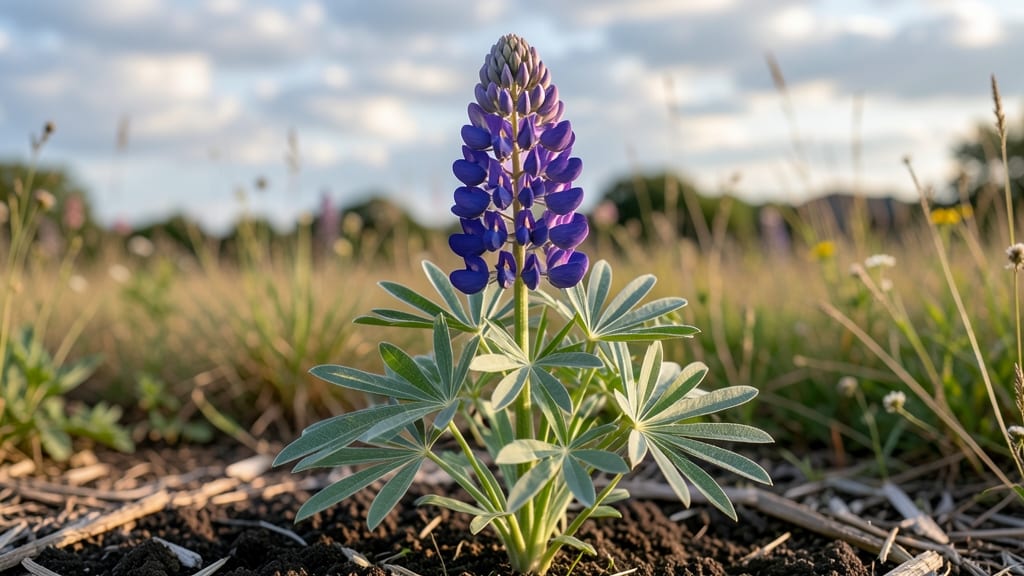
The lupine bloom season arrives like clockwork each spring, painting gardens in bold purple spikes that hummingbirds can’t resist.
But here’s the catch: if you plant too late, you might miss the show entirely—or worse, end up with leggy stems and few flowers.
Timing isn’t just about when they bloom; it’s about how long they’ll stay vibrant and whether you’ll need to prune to encourage a second round of blooms.
In USDA Zone 6a, lupines typically burst into color between late May and early July, but cooler climates can push that window back by weeks. The key to extending their show? A little deadheading here, a strategic watering schedule there, and knowing which varieties play their best.
Below, I’ll break down the exact months to expect blooms in your area, how to stretch that purple spectacle for weeks longer, and the simple tricks to keep your lupines thriving year after year.
Lupine bloom season timeline: months, climate zones, and peak flowering
Timing your lupine bloom season is key to unlocking their full potential. These showstopping perennials typically flower in late spring to early summer, but exact timing varies dramatically by USDA hardiness zone and variety.
Understanding these patterns helps you plan companion plants, deadheading schedules, and even succession planting for continuous color.
In cooler climates (zones 3-5), lupines often burst into bloom as early as May, while warmer zones (7-10) may see flowers as late as July or August.
The difference comes down to temperature cues—lupines need consistent 50-60°F soil temps to trigger flowering, which happens earlier in northern regions.
Here's where variety selection makes all the difference. Russell Hybrid lupines, for example, are early bloomers that often peak in June, while Silver Cup varieties tend to flower 2-3 weeks later. This timing difference lets you create layered bloom sequences in your garden beds.
Climate also plays a surprising role. Humid regions may experience delayed blooming due to fungal pressure, while arid zones often see earlier flowering as plants conserve moisture. Even elevation changes can shift bloom windows by 2-3 weeks—mountain gardens typically flower 10-14 days later than valley counterparts.
🌸
Identifying early vs. late blooming lupines starts with observing flower spike emergence. Early varieties like Russell Hybrid show buds in late May and open within 10-14 days, while Silver Cup lupines may take 3-4 weeks longer to reach peak bloom.
Pay attention to leaf color changes too—healthy lupines develop silvery undersides just before flowering.
For gardeners in transition zones (6-7), the bloom window often spans 6-8 weeks, creating natural overlap between early and late varieties.
This is perfect for creating extended color displays—plant Russell Hybrid in front of Silver Cup for a cascading effect that starts in June and continues through August.
Climate extremes can dramatically alter these timelines. Drought conditions may delay blooming by 2-3 weeks as plants conserve energy, while excessive rain can cause bud rot and premature shedding. In coastal regions, cooler ocean breezes often push blooming 2 weeks later than inland areas just 20 miles away.
To maximize your lupine display, note that second-year plants typically bloom 2-3 weeks earlier than first-year seedlings. This means if you planted seeds in spring 2023, expect your 2024 blooms to appear 30-45 days sooner than the year before. This year-to-year progression is one of lupines' most reliable patterns.
🌿
5 Natural ways to extend lupine bloom season without chemicals
If you've ever admired the vibrant purple spikes of lupines and wished they'd last longer, you're not alone. These stunning perennials typically bloom for 4-6 weeks, but with the right organic techniques, you can stretch that season by 30-50% without chemicals.
The key lies in mimicking their natural growth patterns while providing just the right care at each stage.
Lupines are nitrogen-fixing plants, meaning they thrive when their roots have access to phosphorus and potassium. By focusing on soil health, watering discipline, and strategic pruning, you can encourage your lupines to produce longer stems and more buds—naturally.
Let’s explore five proven methods that will keep your garden bursting with color well into late summer.
Snip spent blooms just above the first set of leaves to redirect energy to new buds. Use clean pruners and do this every 3-5 days during peak bloom.
Mix in bone meal or compost (high in phosphorus) in early spring to support root and flower development. Aim for 1 tbsp per plant worked into the top 6 inches of soil.
Give lupines a deep soak 2-3 times per week (not daily light watering). Wet the root zone to 12 inches deep to encourage strong stems. Avoid evening watering to prevent fungal risks.
Interplant marigolds or thyme to deter aphids and slugs, which can stress lupines. These companions also improve soil aeration and reduce competition for nutrients.
Apply a 2-inch layer of straw mulch around the base to retain moisture and cool roots. Replenish every 4-6 weeks to prevent soil compaction and weed competition.
One of my favorite tricks is combining deadheading with mulching. After snipping spent blooms, I immediately add fresh straw mulch to keep the soil cool and hydrated. This two-step process has extended my 'Chandelier' lupines bloom by nearly 6 weeks in my USDA Zone 7 garden.
The secret? Consistency—lupines respond best to routine care rather than sporadic attention.
For container-grown lupines, adjust the watering schedule to every 5-7 days and use a well-draining potting mix with added perlite. Containers dry out faster, so monitor soil moisture by sticking your finger 2 inches deep. If it feels dry, water thoroughly until it drains from the bottom.
Remember, lupines are perennials with a natural dormancy period. Once they’ve finished blooming, let the foliage die back naturally to store energy for next year.
Cut back stems to 6 inches tall in late fall, but leave the roots undisturbed. This simple step ensures a stronger bloom season the following spring.
With these chemical-free techniques, your lupines will reward you with longer, more abundant blooms—turning your garden into a purple paradise from early summer well into autumn. 🌸